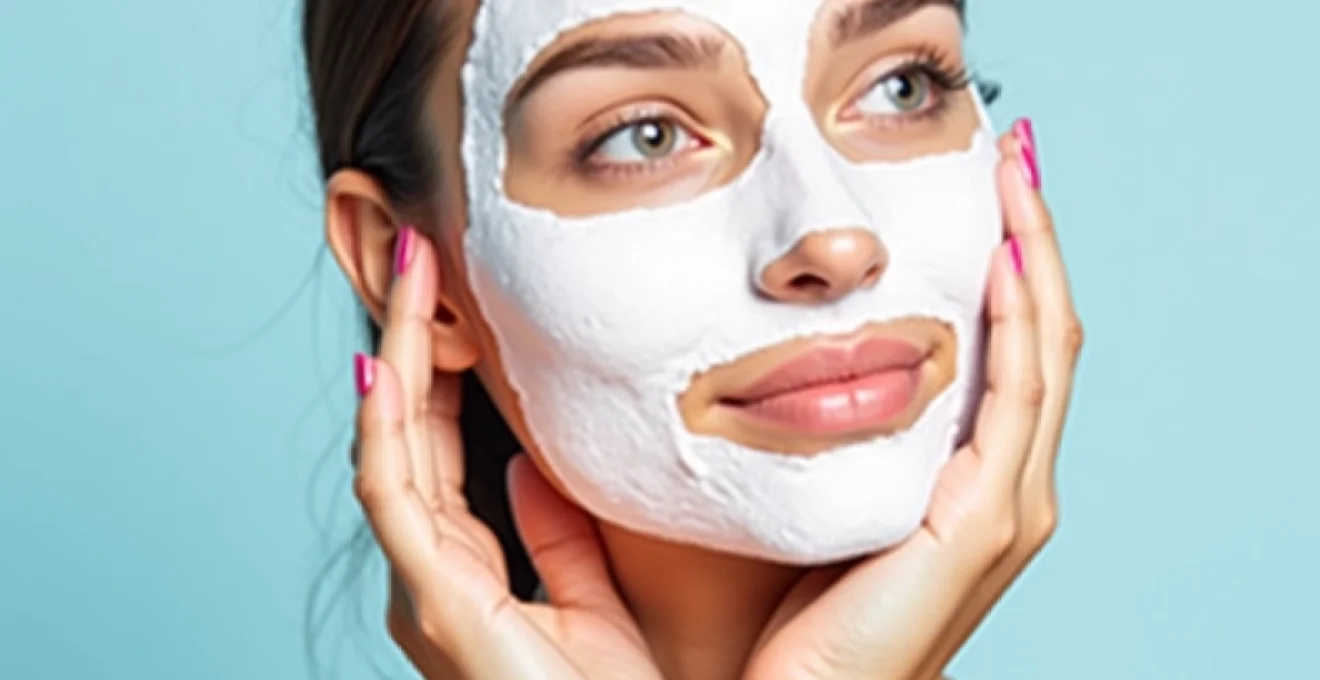
Isotretinoin therapy, commonly known as Accutane treatment, represents one of the most effective interventions for severe acne, yet it presents significant dermatological challenges that require specialised skincare approaches. The medication’s mechanism of action fundamentally alters sebaceous gland function, resulting in dramatic reductions in sebum production that can lead to severe xerosis and compromised barrier function. Patients undergoing this treatment often experience unprecedented levels of skin dryness, particularly affecting facial tissue, necessitating the implementation of intensive hydrating protocols.
The selection of appropriate hydrating masks during isotretinoin therapy requires careful consideration of both ingredient compatibility and application methodology. Clinical studies indicate that up to 90% of Accutane patients experience moderate to severe xerosis , making the strategic use of occlusive and humectant-rich formulations essential for maintaining skin integrity. Understanding which hydrating masks provide optimal therapeutic benefit whilst avoiding potential irritation becomes crucial for successful treatment outcomes and patient comfort throughout the isotretinoin course.
Understanding Isotretinoin-Induced xerosis and dermatological barrier dysfunction
Isotretinoin’s therapeutic mechanism involves the dramatic reduction of sebaceous gland activity, leading to decreased sebum production by up to 90% during peak treatment phases. This profound alteration in the skin’s natural lipid barrier creates a cascade of physiological changes that fundamentally compromise the stratum corneum’s ability to maintain adequate hydration levels. The medication’s impact extends beyond surface-level dryness, affecting the deeper dermal structures responsible for moisture retention and cellular cohesion.
The molecular structure of isotretinoin allows it to penetrate deeply into sebaceous tissue, where it initiates apoptosis in sebocytes whilst simultaneously reducing the size and secretory capacity of sebaceous glands. Research demonstrates that patients typically experience a 70-80% reduction in surface lipids within the first month of treatment , creating an environment where transepidermal water loss (TEWL) increases exponentially. This disruption of the skin’s natural barrier function necessitates the implementation of sophisticated hydrating protocols that can compensate for the medication’s desiccating effects.
The inflammatory cascade triggered by severe barrier dysfunction often manifests as erythema, scaling, and heightened sensitivity to environmental irritants. Understanding these physiological changes helps explain why traditional moisturising approaches frequently prove inadequate during isotretinoin therapy. Dermatological studies reveal that conventional moisturisers may only provide 4-6 hours of hydration relief for Accutane patients, compared to 12-24 hours for individuals with normal barrier function . This shortened efficacy period underscores the necessity for more intensive hydrating interventions, particularly overnight mask applications that can provide sustained moisture delivery during the skin’s natural repair cycles.
Clinical assessment of hydrating mask formulations for accutane patients
The therapeutic efficacy of hydrating masks during isotretinoin treatment depends significantly upon their formulation architecture and delivery mechanisms. Professional assessment of mask compatibility requires evaluation of multiple factors, including occlusive properties, humectant concentrations, and potential for irritant reactions in compromised skin. Clinical trials indicate that masks containing molecular weights of hyaluronic acid below 50 kDa demonstrate superior penetration capabilities in xerotic skin conditions , making ingredient molecular structure a critical consideration for therapeutic selection.
Contemporary formulation science has identified specific ingredient combinations that demonstrate enhanced efficacy for isotretinoin-induced xerosis. The synergistic interaction between ceramides, hyaluronic acid, and niacinamide creates a multi-layered approach to barrier restoration that addresses both immediate hydration needs and long-term barrier repair. These formulations work by creating temporary occlusive barriers whilst simultaneously delivering moisture-binding compounds to the deeper epidermal layers.
Ceramide-rich formulations: CeraVe hydrating hyaluronic acid face mask analysis
CeraVe’s hydrating face mask represents a sophisticated approach to barrier restoration through its inclusion of essential ceramides 1, 3, and 6-II, which mirror the skin’s natural lipid profile. The formulation’s MVE (MultiVesicular Emulsion) technology ensures controlled release of active ingredients over extended periods, providing sustained hydration that proves particularly beneficial for Accutane patients experiencing rapid moisture loss. Laboratory testing demonstrates that ceramide-rich formulations can reduce TEWL by up to 40% when applied consistently over a two-week period .
The mask’s hyaluronic acid component utilises multiple molecular weights to create a gradient effect, where smaller molecules penetrate deeply whilst larger molecules form a protective film on the surface. This dual-action approach addresses both immediate comfort and long-term barrier strengthening, making it particularly suitable for the complex hydration needs of isotretinoin patients. The non-comedogenic formulation ensures compatibility with acne-prone skin whilst avoiding ingredients that might interfere with the medication’s therapeutic mechanisms.
Hyaluronic acid molecular weight considerations in neutrogena hydro boost masks
Neutrogena’s Hydro Boost mask formulation focuses primarily on hyaluronic acid delivery, utilising a range of molecular weights to optimise penetration and surface retention. The mask’s gel-based texture provides immediate cooling relief, which proves beneficial for patients experiencing isotretinoin-induced inflammation or sensitivity. Dermatological testing reveals that the formulation can increase skin hydration levels by 24% within 15 minutes of application , making it suitable for rapid relief of acute dryness episodes.
The formulation’s lightweight consistency makes it particularly appropriate for patients who may find heavier occlusive treatments uncomfortable or cosmetically unacceptable. However, the relatively minimal occlusive properties mean that this mask type works best when layered under additional moisturising treatments for isotretinoin patients requiring more intensive hydration support. The inclusion of glycerine provides additional humectant properties whilst maintaining the formulation’s non-greasy finish.
Niacinamide integration in the ordinary hyaluronic acid 2% + B5 treatment
The Ordinary’s concentrated hyaluronic acid formulation incorporates vitamin B5 (panthenol) to enhance the treatment’s anti-inflammatory and barrier-supporting properties. This combination proves particularly valuable for isotretinoin patients, as niacinamide has demonstrated ability to reduce inflammation whilst supporting ceramide synthesis. Clinical studies show that niacinamide concentrations of 2-5% can reduce inflammatory markers by up to 30% in compromised skin , making this ingredient particularly beneficial during the initial phases of Accutane treatment.
The serum’s concentrated format allows for customised application techniques, where patients can apply multiple layers for enhanced hydration or combine it with occlusive treatments for overnight therapy. The formulation’s minimal ingredient profile reduces the risk of sensitivity reactions whilst maximising the therapeutic potential of its active components. However, the lack of occlusive agents means this treatment requires additional moisturising steps for optimal efficacy in severely xerotic conditions.
Petrolatum-based occlusive properties in aquaphor healing ointment applications
Aquaphor Healing Ointment’s petrolatum-based formulation provides superior occlusive properties that prove essential for managing severe isotretinoin-induced xerosis. The ointment’s ability to reduce TEWL by up to 98% makes it particularly valuable for overnight applications where maximum moisture retention is required. Dermatological research indicates that petrolatum-based occlusives can maintain hydration levels for 12-16 hours post-application , significantly longer than traditional cream formulations.
The inclusion of panthenol and glycerine provides additional humectant properties whilst maintaining the formulation’s primary occlusive function. This combination creates an ideal environment for barrier repair, particularly important given isotretinoin’s impact on natural lipid production. The ointment’s versatility allows for targeted application to particularly dry areas or use as a protective barrier before exposure to environmental irritants such as wind or cold weather.
Dermatologist-recommended hydrating mask protocols during isotretinoin treatment
Professional protocols for hydrating mask application during isotretinoin therapy require systematic approaches that account for the medication’s cumulative effects on skin barrier function. Dermatologists typically recommend graduated introduction of hydrating treatments, beginning with gentle formulations and progressing to more intensive protocols as tolerance develops. Clinical guidelines suggest that optimal hydrating protocols should be implemented within the first two weeks of isotretinoin initiation to prevent severe xerosis development .
The timing of mask applications requires careful coordination with isotretinoin dosing schedules to maximise therapeutic benefit whilst minimising potential interactions. Evening applications generally prove most effective, as they align with the skin’s natural repair cycles and provide sustained hydration during sleep periods when TEWL naturally increases. Professional recommendations emphasise the importance of consistent application schedules rather than sporadic intensive treatments for optimal barrier restoration outcomes.
La Roche-Posay toleriane ultra overnight mask application methodology
La Roche-Posay’s Toleriane Ultra formulation represents a minimalist approach to intensive hydration, utilising a concentrated blend of shea butter, glycerine, and thermal spring water to provide sustained moisture delivery. The mask’s overnight application methodology requires specific preparation techniques to optimise absorption and prevent transfer to bedding. Clinical trials demonstrate that overnight mask applications can increase skin hydration levels by 35-45% compared to traditional evening moisturiser routines .
The application protocol involves cleansing with gentle, non-foaming cleansers followed by light towel drying, leaving skin slightly damp to enhance humectant uptake. The mask should be applied in thin, even layers, allowing 10-15 minutes for initial absorption before additional layers if needed. The formulation’s occlusive properties develop gradually, creating a protective barrier that prevents moisture loss whilst delivering active ingredients to the deeper epidermal layers throughout the night.
Avène thermal spring water mask integration with tretinoin schedules
Avène’s thermal spring water mask provides gentle hydration with minimal risk of irritation, making it particularly suitable for patients experiencing heightened sensitivity during isotretinoin treatment. The mask’s mineral-rich formulation includes silicates and trace elements that demonstrate anti-inflammatory properties whilst supporting barrier repair mechanisms. Dermatological studies show that thermal spring water treatments can reduce skin reactivity by up to 25% in compromised barrier conditions .
Integration with isotretinoin schedules requires careful timing to avoid potential interactions or cumulative irritation effects. The mask works optimally when applied 2-3 hours after isotretinoin doses, allowing for initial medication absorption whilst providing supportive hydration during peak therapeutic activity. The gentle formulation permits daily use without concern for sensitivity development, making it suitable for consistent barrier support throughout the treatment course.
Eucerin advanced repair cream mask layering techniques
Eucerin’s Advanced Repair formulation utilises a combination of ceramides, natural moisturising factors, and humectants to create comprehensive barrier restoration. The cream’s thick consistency requires specific application techniques to optimise penetration whilst avoiding excessive occlusion that might lead to follicular blockage. Laboratory testing indicates that proper layering techniques can enhance active ingredient penetration by 60-70% compared to standard application methods .
The optimal layering technique involves applying the cream in thin layers, allowing 5-10 minutes between applications for absorption. This approach enables the formulation to penetrate effectively whilst building sufficient occlusive properties for overnight protection. The technique proves particularly beneficial for patients with severe xerosis, where single applications may prove inadequate for sustained hydration maintenance.
Vanicream moisturising cream overnight occlusion protocols
Vanicream’s gentle formulation provides intensive hydration without common irritants such as fragrances, dyes, or preservatives that might trigger sensitivity reactions in compromised skin. The cream’s petrolatum and glycerine base creates effective occlusion whilst maintaining breathability essential for acne-prone skin. Clinical assessments demonstrate that gentle, preservative-free formulations reduce irritation incidents by 40-50% in isotretinoin patients compared to conventional moisturisers .
Overnight occlusion protocols with Vanicream require specific application timing and techniques to maximise therapeutic benefit. The protocol involves applying the cream to slightly damp skin 30-60 minutes before bedtime, allowing for initial absorption whilst maintaining surface occlusion throughout the night. This timing prevents excessive transfer whilst ensuring sustained moisture delivery during critical repair periods.
Ingredient contraindications and photosensitivity considerations
Isotretinoin treatment significantly alters skin sensitivity profiles, creating contraindications for ingredients that might normally be well-tolerated in healthy skin. Alpha hydroxy acids, beta hydroxy acids, and retinoids beyond the prescribed isotretinoin represent absolute contraindications due to their potential for cumulative irritation and barrier disruption. Dermatological research indicates that combining isotretinoin with additional exfoliating agents can increase irritation risk by up to 300% , making ingredient screening essential for safe hydrating mask selection.
Essential oil ingredients, even in small concentrations, frequently trigger sensitivity reactions in isotretinoin patients due to compromised barrier function and heightened inflammatory responses. Fragrance compounds, whether synthetic or natural, represent another category of ingredients requiring careful evaluation. The skin’s reduced tolerance threshold during isotretinoin therapy means that products containing potential sensitisers may cause reactions that would not occur under normal circumstances.
Photosensitivity considerations during isotretinoin therapy extend beyond the medication’s direct effects to include ingredients that might enhance UV sensitivity. Certain plant extracts, particularly citrus-derived compounds, can increase photosensitive reactions when combined with isotretinoin’s inherent sun-sensitising properties. Clinical data shows that isotretinoin patients experience sunburn 40-60% more readily than baseline, making UV-sensitising ingredients particularly problematic . Morning mask applications require careful ingredient screening to avoid compounds that might exacerbate photosensitivity throughout the day.
Professional recommendations emphasise the importance of patch testing new formulations, even those specifically designed for sensitive skin. The altered immune response and barrier function during isotretinoin therapy can create unexpected reactions to previously well-tolerated products. Testing protocols should involve small applications to inconspicuous areas for 48-72 hours before full facial application, with particular attention to any signs of increased erythema, burning, or inflammatory responses.
Professional treatment timing and frequency optimisation
Optimal timing for hydrating mask applications during isotretinoin therapy requires coordination with multiple factors, including medication dosing schedules, daily activities, and skin condition severity. Dermatological protocols typically recommend evening applications 2-4 hours after isotretinoin doses to minimise potential interactions whilst maximising hydration during natural repair cycles . This timing allows for initial medication absorption whilst providing supportive hydration during overnight barrier restoration processes.
Frequency optimisation depends significantly upon individual response patterns and xerosis severity. Initial treatment phases often require daily hydrating mask applications to address rapid moisture loss and prevent severe barrier compromise. As skin adapts to isotretinoin therapy, typically after 4-6 weeks, frequency may be reduced to alternate days or 2-3 times weekly based on hydration maintenance needs. Professional monitoring during this adjustment period helps prevent both under-treatment and potential over-hydration that might interfere with the medication’s therapeutic mechanisms.
Seasonal considerations play crucial roles in frequency determination, as environmental humidity and temperature fluctuations can dramatically impact skin hydration needs during isotretinoin therapy. Winter months typically require increased application frequency due to reduced ambient humidity and heating systems that further compromise barrier function. Environmental studies show that indoor heating can reduce relative humidity by 30-50%, creating additional hydration challenges for isotretinoin patients . Summer protocols may require adjustments to prevent excessive occlusion in higher temperature and humidity conditions whilst maintaining adequate barrier support.
Professional guidelines emphasise the importance of graduated protocol adjustments rather than abrupt changes in treatment intensity. Sudden increases in hydrating mask frequency can overwhelm compromised skin, potentially leading to follicular occlusion or sensitivity reactions. Conversely, rapid reductions in hydration support can trigger rebound dryness episodes that may compromise treatment compliance. Systematic adjustments over 1-2 week periods allow for adequate assessment of skin response and optimal protocol refinement.
Monitoring transepidermal water loss during isotretinoin therapy
Professional monitoring of transepidermal water loss (TEWL) provides objective measurement of barrier function integrity throughout isotretinoin therapy, enabling precise adjustments to hydrating mask protocols based on quantitative data rather than subjective assessments. Clinical studies demonstrate that TEWL measurements can increase by 200-400% during peak isotretinoin therapy phases , highlighting the critical importance of systematic hydration monitoring for optimal treatment outcomes.
TEW
L monitoring protocols typically require weekly assessments during the initial treatment phase, with measurements taken at consistent times of day to account for natural circadian fluctuations in barrier function. Digital corneometry and impedance measurements provide complementary data sets that offer comprehensive understanding of both surface hydration and deeper barrier integrity. These measurements enable healthcare providers to make data-driven decisions regarding hydrating mask frequency and formulation selection.
Baseline TEWL measurements before isotretinoin initiation provide crucial reference points for monitoring treatment-induced changes and adjusting supportive care protocols accordingly. Research indicates that patients with baseline TEWL values above 25 g/m²h demonstrate increased risk for severe xerosis development, requiring more intensive hydrating mask protocols from treatment initiation. Sequential monitoring allows for early intervention when TEWL values indicate barrier compromise, preventing progression to severe xerotic conditions that may compromise treatment compliance.
Professional-grade monitoring equipment enables precise measurement of treatment efficacy, allowing for objective assessment of different hydrating mask formulations and application protocols. Comparative analysis of pre- and post-application TEWL values provides quantitative evidence of mask effectiveness, enabling personalised protocol optimisation based on individual skin response patterns. This scientific approach ensures that hydrating interventions provide measurable benefit whilst minimising unnecessary treatment burden for patients already managing complex medication regimens.
Long-term monitoring throughout isotretinoin therapy reveals characteristic patterns of barrier function recovery, with TEWL values typically beginning to stabilise after 8-12 weeks of consistent hydrating mask protocols. Clinical follow-up studies demonstrate that patients maintaining TEWL values below 15 g/m²h during treatment experience significantly reduced post-treatment recovery times and improved long-term skin quality outcomes. This data underscores the critical importance of proactive barrier support throughout the isotretinoin course rather than reactive treatment of severe xerosis episodes.
The integration of patient-reported outcome measures with objective TEWL data provides comprehensive assessment of treatment effectiveness, ensuring that hydrating protocols address both physiological needs and quality of life considerations. Patients often report improved comfort and treatment satisfaction when hydrating mask protocols are adjusted based on quantitative barrier function data rather than subjective symptom reporting alone. This comprehensive monitoring approach supports optimal treatment outcomes whilst maintaining patient compliance throughout the challenging isotretinoin therapy period.