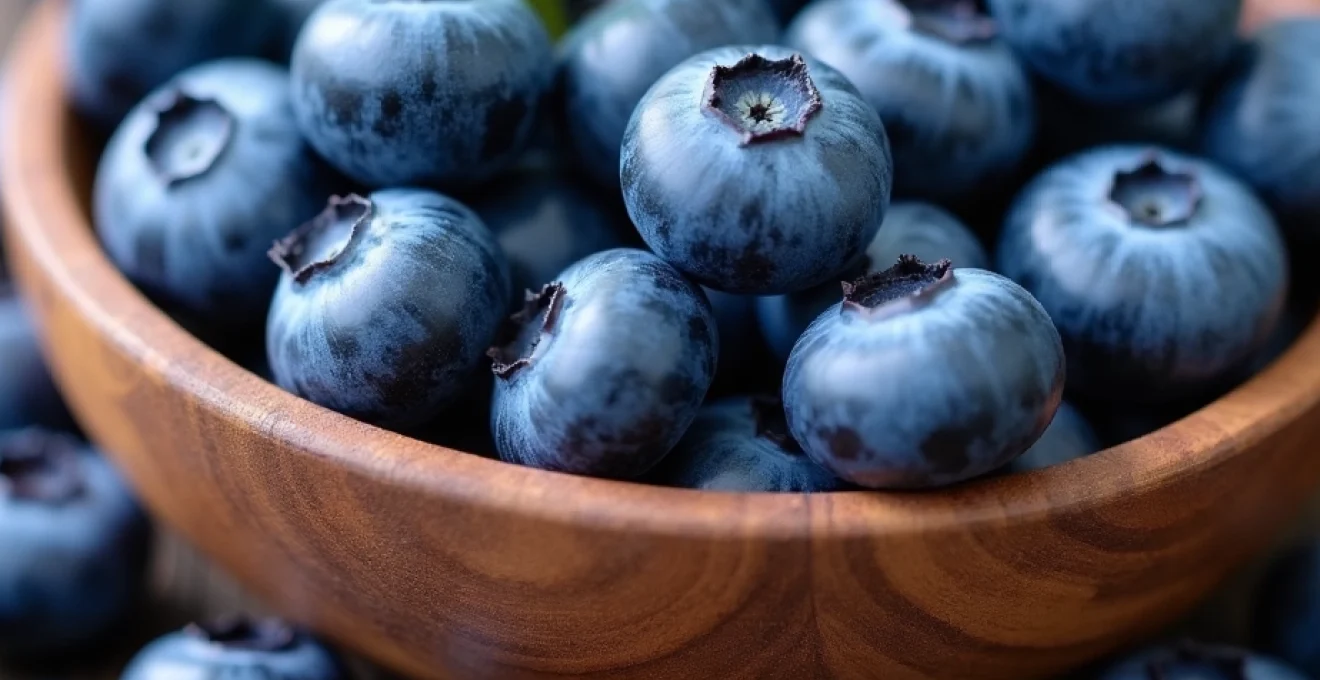
Fresh blueberries stand among the most nutritionally dense fruits available, offering remarkable health benefits whilst maintaining an impressively low caloric profile. A single cup serving of these vibrant berries contains approximately 84 calories, making them an ideal choice for health-conscious individuals seeking to maximise nutritional intake without compromising dietary goals. The modest caloric content of blueberries, combined with their exceptional antioxidant properties and essential micronutrient profile, has earned them recognition as a genuine superfood in contemporary nutrition science.
Understanding the precise nutritional composition of blueberries becomes increasingly important as research continues to unveil their remarkable therapeutic potential. From supporting cardiovascular health to enhancing cognitive function, these small but mighty fruits pack an extraordinary nutritional punch that extends far beyond their simple calorie count. The following comprehensive analysis explores every aspect of blueberry nutrition, providing detailed insights into their caloric density, macronutrient distribution, and the fascinating variations that occur across different cultivars and growing conditions.
Nutritional composition analysis of fresh blueberries per cup serving
A standard one-cup serving of fresh blueberries, weighing approximately 148 grams, delivers 84 calories whilst providing substantial nutritional value across multiple categories. This caloric density translates to roughly 0.57 calories per gram, positioning blueberries among the lower-calorie fruit options available to consumers. The energy density of blueberries makes them particularly attractive for weight management strategies, as you can consume a satisfying portion without significantly impacting daily caloric intake.
Caloric density and macronutrient distribution in vaccinium corymbosum
The macronutrient profile of fresh blueberries reveals a composition dominated by carbohydrates, which constitute approximately 91% of the total caloric content. This translates to 21 grams of carbohydrates per cup serving, providing the primary energy source from these berries. The remaining macronutrients contribute minimally to the overall caloric load, with protein accounting for 5% (1.1 grams) and fats representing just 5% (0.5 grams) of the total energy content.
This distribution creates a unique nutritional profile that supports sustained energy release whilst maintaining digestive comfort. The predominantly carbohydrate-based composition makes blueberries an excellent choice for pre-workout nutrition or post-exercise recovery, as the natural sugars provide readily available energy without the inflammatory responses often associated with processed alternatives.
Fibre content and digestible carbohydrate calculations
The fibre content in one cup of blueberries reaches 3.6 grams, representing approximately 14% of the recommended daily fibre intake for adults. This substantial fibre content plays a crucial role in moderating the effective caloric impact of the berries, as dietary fibre contributes minimal calories whilst providing significant satiety benefits. The net carbohydrate content, calculated by subtracting fibre from total carbohydrates, equals approximately 17.4 grams per cup serving.
Soluble and insoluble fibres present in blueberries contribute differently to digestive health and metabolic function. Soluble fibre helps regulate blood glucose levels and supports healthy cholesterol management, whilst insoluble fibre promotes optimal digestive transit and supports beneficial gut microbiota populations. This dual-action fibre profile enhances the overall nutritional value beyond simple caloric considerations.
Natural sugar profile: fructose, glucose, and sucrose ratios
The natural sugar composition of blueberries consists primarily of fructose and glucose in roughly equal proportions, with minimal sucrose content. A cup of fresh blueberries contains approximately 7 grams each of fructose and glucose, with sucrose contributing only 0.2 grams to the total sugar content of 14.7 grams. This balanced sugar profile contributes to the moderate glycaemic impact of blueberries, making them suitable for individuals monitoring blood sugar levels.
The fructose-to-glucose ratio in blueberries creates a unique metabolic advantage compared to many processed foods containing high-fructose corn syrup. Natural fruit sugars, when consumed within the whole fruit matrix alongside fibre and antioxidants, demonstrate significantly different metabolic effects than isolated sugars. This difference explains why blueberries can be enjoyed as part of balanced dietary approaches without the concerns associated with added sugar consumption.
Protein content and essential amino acid composition
While blueberries provide only 1.1 grams of protein per cup, the amino acid profile includes several essential components necessary for optimal physiological function. The protein content contributes approximately 4.4 calories to the total caloric value, making it a minor but still meaningful component of the nutritional profile. Key amino acids present include leucine (0.1 grams), arginine (0.1 grams), and glutamic acid (0.1 grams).
Though blueberries cannot serve as a primary protein source, their amino acid contribution complements protein intake from other dietary sources. The presence of branched-chain amino acids, albeit in small quantities, may support muscle recovery when blueberries are consumed as part of post-exercise nutrition strategies. The biological value of blueberry proteins, whilst modest, adds to the overall nutritional completeness of these remarkable berries.
Micronutrient and antioxidant density in one cup blueberry portions
Beyond their caloric profile, blueberries excel in micronutrient density, providing substantial quantities of essential vitamins and minerals relative to their low calorie content. This impressive nutrient-to-calorie ratio establishes blueberries as an exceptionally efficient food choice for meeting daily nutritional requirements without excess energy intake.
Anthocyanin concentration and phenolic compound analysis
Blueberries contain the highest concentrations of anthocyanins among commonly consumed fruits, with levels ranging from 300-700 milligrams per 100 grams of fresh fruit. These powerful anthocyanin compounds, responsible for the characteristic blue-purple colour, contribute zero calories whilst providing extraordinary antioxidant capacity. The primary anthocyanins include malvidin-3-glucoside, delphinidin-3-glucoside, and cyanidin-3-glucoside, each offering distinct physiological benefits.
The phenolic compound profile extends beyond anthocyanins to include chlorogenic acid, caffeic acid, and various flavanol derivatives. These compounds work synergistically to provide anti-inflammatory effects, cardiovascular protection, and neuroprotective benefits. Research indicates that the anthocyanin content can vary significantly based on cultivar, growing conditions, and post-harvest handling, with some varieties containing up to 50% more anthocyanins than others.
Vitamin C, vitamin K, and manganese content assessment
One cup of fresh blueberries provides 14 milligrams of vitamin C, representing approximately 16% of the recommended daily intake for adults. This water-soluble vitamin contributes no calories whilst supporting immune function, collagen synthesis, and antioxidant defence systems. The vitamin C content remains relatively stable in fresh berries but can decline during extended storage or processing.
Vitamin K content reaches 29 micrograms per cup, providing an impressive 24% of daily requirements. This fat-soluble vitamin plays crucial roles in blood coagulation and bone metabolism, making blueberries an excellent choice for supporting skeletal health. Manganese content stands at 0.5 milligrams per cup, contributing 22% of daily needs for this essential trace mineral involved in bone formation, wound healing, and metabolic function.
ORAC values and antioxidant capacity measurements
The Oxygen Radical Absorbance Capacity (ORAC) value for fresh blueberries measures approximately 4,669 units per 100 grams, ranking them among the highest antioxidant foods available. This exceptional antioxidant capacity translates to roughly 6,900 ORAC units per cup serving, providing substantial protection against oxidative stress without contributing additional calories. The antioxidant efficiency of blueberries, measured as ORAC units per calorie, exceeds that of most other fruits by a significant margin.
Total Antioxidant Capacity (TAC) measurements using various methodologies consistently demonstrate blueberries’ superior antioxidant potential. The combination of anthocyanins, vitamin C, vitamin E, and various phenolic compounds creates a synergistic antioxidant system that provides comprehensive cellular protection. Studies indicate that the antioxidant capacity of blueberries can neutralise free radicals equivalent to consuming several servings of other common fruits.
Flavonoid profile: quercetin, myricetin, and kaempferol levels
The flavonoid composition of blueberries includes significant concentrations of quercetin, myricetin, and kaempferol, each contributing unique health benefits without adding calories. Quercetin content typically ranges from 15-30 milligrams per 100 grams, providing anti-inflammatory and antihistamine effects. Myricetin concentrations reach 10-20 milligrams per 100 grams, offering cardiovascular protective properties and potential anti-cancer benefits.
Kaempferol levels, whilst lower at 5-10 milligrams per 100 grams, contribute to the overall flavonoid profile with demonstrated neuroprotective effects. These flavonoids work in concert with anthocyanins to create a comprehensive phytonutrient profile that extends the health benefits far beyond simple caloric considerations. The bioavailability of these compounds appears enhanced when consumed within the whole fruit matrix compared to isolated supplements.
Caloric variations between cultivars and growing conditions
The caloric content of blueberries demonstrates notable variations depending on genetic factors, environmental conditions, and cultivation practices. Understanding these variations becomes crucial for accurate nutritional assessment and optimal cultivar selection for specific dietary applications.
Highbush vs lowbush blueberry caloric differences
Highbush blueberries ( Vaccinium corymbosum ) typically contain 82-86 calories per cup, whilst lowbush varieties ( Vaccinium angustifolium ) often register slightly higher values of 86-90 calories per equivalent serving. These differences primarily result from variations in sugar concentration, with lowbush berries generally containing 10-15% higher sugar levels due to their more concentrated growth pattern and smaller fruit size.
The caloric density variations extend beyond simple sugar content to include differences in anthocyanin concentrations, which can affect the overall energy metabolism of the berries. Wild lowbush blueberries frequently demonstrate higher antioxidant capacities than cultivated highbush varieties, potentially influencing the metabolic effects despite similar caloric values. Commercial cultivars have been selectively bred for size and yield, sometimes at the expense of nutritional density, creating measurable differences in calories per unit weight.
Seasonal harvest impact on sugar content and calorie density
Harvest timing significantly influences the caloric content of blueberries, with late-season berries typically containing 5-10% more calories than early-harvest fruit. This variation results from extended ripening periods that allow for greater sugar accumulation and more complete flavour development. Mid-season harvests generally provide the optimal balance between caloric content, nutritional density, and antioxidant concentrations.
Weather conditions during the growing season create additional variations in caloric density. Cool, wet springs followed by warm, dry summers tend to produce berries with higher sugar concentrations and consequently elevated calorie counts. Conversely, drought conditions during fruit development can result in smaller berries with concentrated nutrients but potentially higher calories per gram of fresh weight. These seasonal variations can create differences of 10-20 calories per cup serving between optimal and suboptimal growing years.
Organic versus conventional growing method nutritional variations
Organic blueberries typically demonstrate 15-20% higher antioxidant concentrations compared to conventionally grown counterparts, though caloric differences remain minimal at 1-3 calories per cup. The enhanced antioxidant profiles in organic berries result from increased stress responses that stimulate secondary metabolite production, including anthocyanins and other protective compounds.
Soil health differences between organic and conventional production systems can influence mineral uptake and overall nutritional density. Organic cultivation practices often result in higher manganese, vitamin K, and phenolic compound concentrations, whilst maintaining similar caloric values. The absence of synthetic pesticides in organic production may also preserve beneficial soil microorganisms that enhance nutrient availability to the plants, potentially affecting the overall nutritional profile whilst maintaining consistent caloric content.
Metabolic impact and glycaemic response to blueberry consumption
Despite containing 15 grams of natural sugars per cup, blueberries demonstrate a remarkably moderate glycaemic impact due to their unique combination of fibre, antioxidants, and specific sugar composition. The glycaemic index of fresh blueberries ranges from 53-56, classifying them as a low to moderate glycaemic food that produces gradual blood sugar elevation rather than rapid spikes. This moderate response makes blueberries suitable for individuals managing diabetes or following low-glycaemic dietary approaches.
The metabolic processing of blueberry calories appears enhanced by their rich antioxidant content, which may improve insulin sensitivity and glucose metabolism. Studies indicate that regular blueberry consumption can improve glucose tolerance and reduce insulin resistance over time, suggesting that the 84 calories in a cup of blueberries may actually contribute to improved metabolic efficiency. The anthocyanins present in blueberries appear to activate specific cellular pathways involved in glucose uptake and fat metabolism, potentially increasing the metabolic value of each calorie consumed.
The unique combination of natural sugars, fibre, and antioxidants in blueberries creates a metabolic environment that supports healthy blood sugar management whilst providing sustained energy release throughout the day.
Research demonstrates that consuming blueberries with other macronutrients can further moderate glycaemic response and enhance satiety. When combined with protein or healthy fats, the caloric impact of blueberries becomes even more beneficial, as the synergistic effects support stable energy levels and reduced hunger between meals. This characteristic makes the 84 calories from blueberries particularly valuable for weight management and metabolic health optimization.
Comparative caloric analysis with other berry varieties
Blueberries occupy a middle position among berry varieties in terms of caloric density, with their 84 calories per cup comparing favourably to many alternatives. Strawberries provide fewer calories at 54 per cup, whilst blackberries contain 62 calories, and raspberries offer 64 calories per equivalent serving. However, the caloric comparison alone fails to capture the complete nutritional picture, as blueberries excel in specific micronutrient categories despite their slightly higher energy content.
The caloric efficiency of blueberries becomes apparent when considering their exceptional antioxidant density relative to energy content. Whilst cranberries provide 46 calories per cup, their fresh consumption requires significant added sweeteners due to natural tartness, effectively increasing the practical caloric impact. Blackcurrants offer 56 calories per cup with comparable antioxidant profiles, but their limited availability and strong flavour restrict practical consumption quantities for most individuals.
| Berry Type | Calories per Cup | Antioxidant Capacity (ORAC) | Vitamin C (mg) |
|---|---|---|---|
| Blueberries | 84 | 6,900 | 14 |
| Strawberries | 54 | 4,300 | 89 |
| Blackberries | 62 | 5,900 | 21 |
| Raspberries | 64 | 6,100 | 26 |
The practical advantages of blueberries extend beyond simple caloric considerations to include superior storage characteristics, year-round availability, and versatile culinary applications. Fresh blueberries maintain their nutritional integrity for 1-2 weeks under proper refrigeration, whilst frozen varieties retain virtually all their antioxidant properties for extended periods. This stability makes the 84 calories from blueberries consistently accessible for incorporating into diverse dietary patterns throughout the year.
Cost-effectiveness analysis reveals that blueberries often provide superior nutritional value per calorie compared to many processed snack
foods when considering nutritional density per calorie. The combination of low caloric impact and exceptional micronutrient content positions blueberries as an optimal choice for individuals seeking maximum nutritional benefit within controlled caloric budgets.
When evaluating the overall value proposition of berry consumption, blueberries demonstrate unique advantages despite their moderate caloric content. The sustained energy release from their balanced sugar profile, combined with exceptional antioxidant protection and diverse micronutrient contributions, creates a compelling nutritional package within just 84 calories. This efficiency becomes particularly valuable for individuals following calorie-restricted diets or seeking to optimise nutrient intake without compromising weight management goals.
The versatility of blueberries in various culinary applications further enhances their practical value compared to other berry varieties. Whether consumed fresh, frozen, or incorporated into recipes, the 84 calories from blueberries consistently deliver their full nutritional potential. This adaptability, combined with their superior storage characteristics and widespread availability, makes blueberries an exceptionally practical choice for maintaining consistent antioxidant and micronutrient intake throughout diverse dietary patterns and seasonal variations.