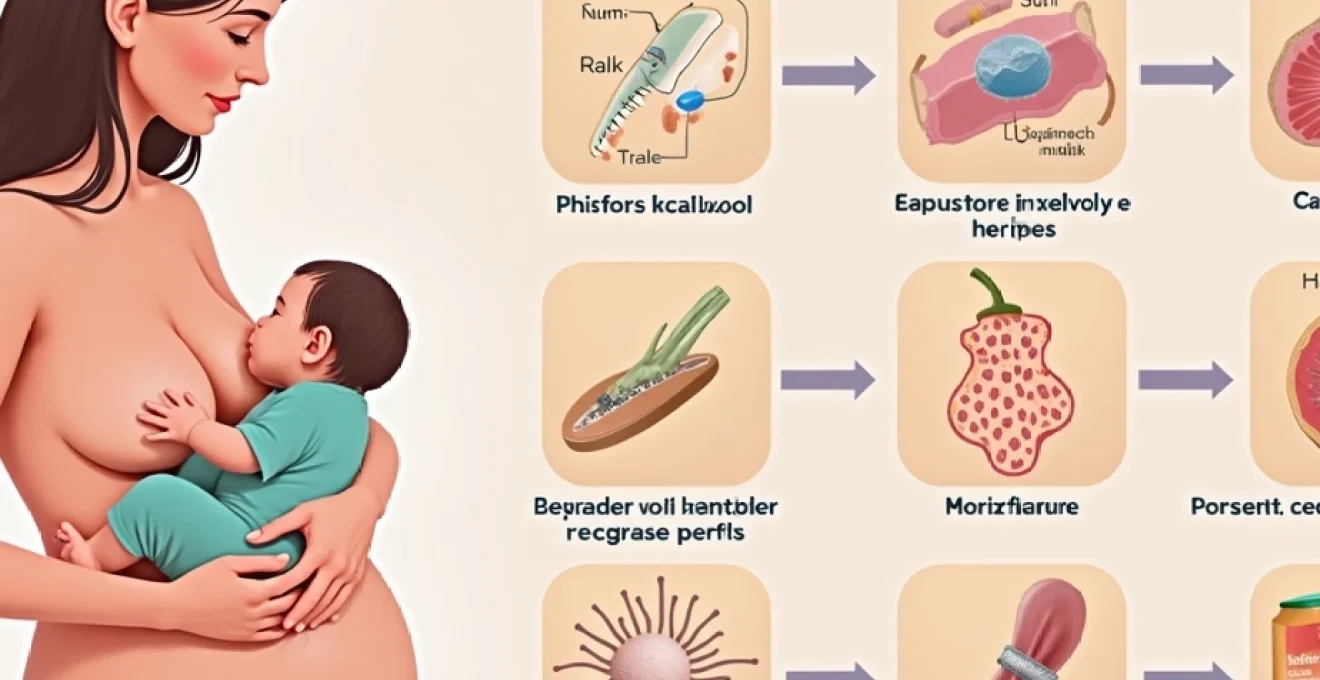
The transmission of herpes simplex virus (HSV) through breastfeeding represents a critical concern for new mothers diagnosed with this common viral infection. With approximately 67% of the global population under 50 years carrying HSV-1 and 13% carrying HSV-2, understanding the risk factors associated with vertical transmission during lactation becomes paramount for maternal and neonatal health outcomes. While herpes simplex virus infections are predominantly transmitted through direct contact with active lesions, the potential for viral shedding in breast milk and subsequent neonatal exposure requires comprehensive evaluation of current scientific evidence and clinical protocols.
Modern research indicates that the risk of HSV transmission through breast milk itself remains exceptionally low , with most documented cases of neonatal herpes resulting from direct contact with active lesions rather than ingestion of contaminated milk. However, the presence of active herpes lesions on breast tissue creates significant transmission risks that necessitate temporary cessation of breastfeeding from the affected breast until complete healing occurs.
Herpes simplex virus pathophysiology and lactation transmission mechanisms
Understanding the biological mechanisms underlying HSV transmission through breast milk requires examination of viral behaviour within mammary tissue and the complex interplay between maternal immune responses and lactation physiology. The herpes simplex virus demonstrates unique characteristics in its interaction with breast tissue, particularly during the postpartum period when hormonal fluctuations can influence viral reactivation patterns.
HSV-1 and HSV-2 viral shedding patterns in mammary tissue
Viral shedding patterns in mammary tissue differ significantly between HSV-1 and HSV-2 infections, with HSV-1 demonstrating lower rates of asymptomatic shedding in breast tissue compared to genital regions. Research indicates that viral DNA can be detected in breast milk samples during active outbreaks, though the concentration typically remains below levels associated with successful transmission. The viral load in mammary secretions peaks during the vesicular stage of lesion development and rapidly declines during the healing phase.
The mammary epithelium provides a unique environment for HSV replication, with the virus demonstrating preference for specific cell types within the ductal system. During lactation, increased blood flow and cellular activity in breast tissue may theoretically enhance viral replication rates, though clinical evidence suggests that the protective factors present in breast milk often counterbalance this potential risk.
Epithelial cell infection pathways in lactating breast tissue
The infection pathway of HSV in lactating breast tissue follows predictable patterns similar to other mucosal surfaces, beginning with viral attachment to cellular receptors and subsequent penetration through compromised epithelial barriers. The virus demonstrates particular affinity for damaged nipple tissue, where micro-abrasions from breastfeeding create entry points for viral invasion. Once established, the infection typically progresses through characteristic stages of vesicle formation, ulceration, and eventual healing.
During the acute phase of breast tissue infection, viral particles may theoretically contaminate breast milk through direct contact with lesions or through cellular shedding into mammary ducts. However, the concentration of infectious viral particles in milk remains substantially lower than levels found in vesicular fluid from active lesions, suggesting that direct contact represents the primary transmission risk rather than milk consumption.
Viral load dynamics in colostrum versus mature breast milk
The composition differences between colostrum and mature breast milk significantly influence viral transmission dynamics, with colostrum demonstrating enhanced protective properties against viral pathogens. Studies examining viral load dynamics reveal that HSV concentrations in colostrum remain consistently lower than in mature milk samples, potentially due to the higher concentration of immunoglobulins and antimicrobial compounds present in early lactation secretions.
The transition from colostrum to mature milk occurs alongside changes in mammary gland architecture and cellular composition, which may affect viral shedding patterns. Research indicates that the peak risk period for viral contamination of breast milk coincides with the establishment of mature lactation, typically occurring between days 3-7 postpartum when hormonal fluctuations may trigger HSV reactivation in susceptible mothers.
Immunoglobulin A transfer and maternal antibody protection
The transfer of maternal immunoglobulin A (IgA) antibodies through breast milk provides crucial protection against HSV infection in breastfed infants. These antibodies, specifically targeting HSV antigens, demonstrate remarkable efficacy in neutralising viral particles that may be present in breast milk or encounter the infant through other exposure routes. The concentration of HSV-specific IgA antibodies in breast milk typically correlates with maternal antibody levels and previous exposure history.
Mothers with established HSV infections often demonstrate higher levels of protective antibodies in their breast milk compared to seronegative mothers, creating a paradoxical situation where previous infection provides enhanced protection for the nursing infant. This immunological protection mechanism explains why documented cases of HSV transmission through breast milk consumption remain extraordinarily rare in clinical literature, despite theoretical transmission possibilities.
Clinical evidence and case studies of vertical transmission through breastfeeding
The clinical evidence surrounding HSV transmission through breastfeeding presents a complex picture characterised by limited documented cases and conflicting research findings. Extensive literature reviews spanning three decades of clinical observations reveal fewer than a dozen confirmed cases of neonatal HSV infection attributed primarily to breast milk consumption, with most cases involving additional risk factors such as direct lesion contact or immunocompromised infants.
Documented cases of neonatal HSV infection via breast milk exposure
The documented cases of neonatal HSV infection potentially linked to breast milk exposure require careful analysis to distinguish between direct transmission through milk consumption and concurrent exposure through other routes. A comprehensive review of published case reports identifies several instances where infants developed HSV infection despite apparent isolation from direct lesion contact, though establishing definitive causation remains challenging due to the multiple potential exposure pathways present in the postpartum environment.
These rare cases typically involve specific circumstances such as premature infants with immature immune systems, mothers experiencing primary HSV infections during the immediate postpartum period, or situations where extremely high viral loads in breast milk coincided with compromised neonatal defences. The outcomes in these cases vary considerably, with some infants experiencing mild localised infections while others developed more serious systemic manifestations requiring intensive antiviral therapy.
Comparative analysis: caesarean section deliveries and breastfeeding risk
Infants born via caesarean section to mothers with active genital HSV infections present unique considerations for breastfeeding risk assessment. While caesarean delivery effectively eliminates the risk of transmission during vaginal delivery, these infants may lack the natural antibody exposure that occurs during vaginal birth, potentially creating different susceptibility patterns for subsequent HSV exposure through breastfeeding.
Comparative studies examining HSV transmission rates in caesarean versus vaginal delivery populations reveal interesting patterns in breastfeeding-related transmission risks. Infants born via caesarean section demonstrate slightly higher susceptibility to HSV infection through alternative routes, including potential breast milk transmission, though the absolute risk remains minimal. This finding emphasises the importance of maintaining strict hygiene protocols and lesion coverage recommendations regardless of delivery method.
Postpartum HSV reactivation and timing of viral shedding
The postpartum period presents unique physiological conditions that may trigger HSV reactivation, including hormonal fluctuations, physical stress, sleep deprivation, and immune system adjustments associated with lactation. Research indicates that HSV reactivation rates increase significantly during the first six weeks postpartum, with peak incidence occurring between weeks 2-4 when lactation becomes fully established.
The timing of viral shedding in relation to symptom onset plays a crucial role in transmission risk assessment. Asymptomatic viral shedding can occur 24-48 hours before visible lesions develop, creating a window of potential transmission risk before mothers become aware of active infection. This phenomenon underscores the importance of maintaining consistent hygiene practices throughout the breastfeeding period, particularly during times of increased stress or illness when reactivation becomes more likely.
PCR detection methods in human milk samples
Advanced polymerase chain reaction (PCR) detection methods have revolutionised the ability to identify HSV DNA in human milk samples, providing unprecedented sensitivity in detecting viral genetic material even at extremely low concentrations. These molecular techniques can detect viral DNA presence without requiring viable, infectious viral particles, leading to more comprehensive understanding of viral shedding patterns in breast milk.
PCR studies examining breast milk from mothers with known HSV infections reveal detectable viral DNA in approximately 15-25% of samples during active outbreak periods, though the presence of genetic material does not necessarily correlate with infectious viral particles capable of causing infection. The clinical significance of PCR-positive, culture-negative milk samples remains subject to ongoing research , with most experts agreeing that detection of viral DNA alone does not constitute grounds for breastfeeding cessation in the absence of active breast lesions.
Risk assessment for active herpes lesions on breast and nipple areas
Active herpes lesions occurring on breast tissue or nipple areas represent the highest risk scenario for HSV transmission during breastfeeding, necessitating immediate evaluation and implementation of protective protocols. The risk assessment process must consider lesion location, extent, healing stage, and the ability to provide complete coverage during breastfeeding activities. Lesions located on the areola or nipple create particularly challenging situations due to their direct contact with the infant’s mouth during nursing.
The characteristic progression of herpes lesions from initial tingling sensations through vesicle formation, ulceration, and eventual healing provides a framework for risk stratification. The highest transmission risk occurs during the vesicular and early ulcerative stages when viral loads in lesion fluid reach peak concentrations. Complete healing , evidenced by dry scab formation and eventual scab detachment, typically signifies safe resumption of breastfeeding from the affected breast, though individual healing rates may vary considerably.
Healthcare providers must carefully evaluate each case individually, considering factors such as lesion accessibility for complete coverage, maternal comfort with protective measures, and the availability of alternative feeding options during the healing period. The decision-making process should involve collaborative discussion between the mother and healthcare team, ensuring that both maternal breastfeeding goals and infant safety considerations receive appropriate weighting in the final recommendations.
Risk assessment protocols must balance the proven benefits of breastfeeding continuation against the potential for viral transmission, recognising that complete breastfeeding cessation may create additional risks including breast engorgement, mastitis, and loss of maternal-infant bonding opportunities.
Documentation of lesion characteristics, location, and healing progress becomes essential for tracking recovery and determining appropriate timing for breastfeeding resumption. Photography may be helpful for monitoring healing progress, though sensitivity to maternal privacy concerns must guide documentation practices. Regular reassessment ensures that changing lesion status receives appropriate recognition and corresponding protocol adjustments.
WHO and CDC guidelines for breastfeeding mothers with herpes diagnosis
The World Health Organization and Centers for Disease Control and Prevention have established comprehensive guidelines addressing breastfeeding practices for mothers diagnosed with herpes simplex virus infections. These evidence-based recommendations emphasise the continuation of breastfeeding in most circumstances while implementing specific safety protocols to minimise transmission risks. The guidelines recognise that the benefits of breastfeeding typically outweigh the minimal risks associated with HSV transmission through breast milk consumption.
Current international guidelines consistently recommend breastfeeding continuation for mothers with HSV infections, provided that no active lesions exist on breast tissue and appropriate hygiene measures are maintained. The protocols distinguish between different lesion locations and stages, offering specific guidance for various clinical scenarios. Mothers with oral herpes lesions (cold sores) may continue breastfeeding with enhanced hand hygiene and avoidance of kissing the infant until lesions heal completely.
For mothers with active breast lesions, the guidelines recommend temporary cessation of breastfeeding from the affected breast while maintaining nursing from the unaffected side. During this period, milk expression from the affected breast helps maintain milk production and prevent complications such as engorgement or mastitis. However, expressed milk from the affected breast should be discarded until complete healing occurs and healthcare provider clearance is obtained.
The global health community maintains that breastfeeding represents one of the most effective interventions for promoting infant health and survival, warranting continuation even in the presence of maternal HSV infections when appropriate precautions are observed.
Special considerations apply to mothers experiencing primary HSV infections during the immediate postpartum period, particularly within the first few weeks after delivery when neonatal immune systems demonstrate maximum vulnerability. In these circumstances, guidelines recommend enhanced monitoring, potential antiviral therapy, and individualised risk assessment to determine appropriate feeding recommendations. The decision-making process may involve consultation with infectious disease specialists and neonatologists to ensure optimal outcomes for both mother and infant.
Antiviral therapy compatibility with lactation and infant safety
The compatibility of antiviral medications with breastfeeding represents a crucial consideration for mothers requiring HSV treatment during lactation. Modern antiviral agents demonstrate excellent safety profiles during breastfeeding, with minimal drug transfer into breast milk and negligible effects on nursing infants. The selection of appropriate antiviral therapy should prioritise both maternal treatment efficacy and infant safety, though these goals rarely conflict in clinical practice.
Aciclovir concentrations in breast milk and neonatal exposure
Aciclovir represents the gold standard for HSV treatment during breastfeeding due to its extensive safety data and minimal breast milk penetration. Pharmacokinetic studies demonstrate that aciclovir concentrations in breast milk remain consistently low, typically representing less than 1% of the maternal serum concentration. The estimated daily infant dose through breast milk consumption ranges from 0.2-0.6 mg/kg, representing a fraction of the therapeutic doses used in neonatal HSV treatment protocols.
The extensive clinical experience with aciclovir in breastfeeding populations spans over three decades, with no documented adverse effects reported in nursing infants. The drug’s poor oral bioavailability further reduces potential infant exposure, as any small amounts consumed through breast milk demonstrate limited systemic absorption. These pharmacological characteristics make aciclovir the preferred first-line antiviral agent for treating HSV infections in breastfeeding mothers.
Valaciclovir pharmacokinetics during breastfeeding period
Valaciclovir, the prodrug form of aciclovir, offers improved oral bioavailability and convenient dosing schedules while maintaining excellent safety during breastfeeding. Following oral administration, valaciclovir undergoes rapid conversion to aciclovir, resulting in identical breast milk concentrations and infant exposure levels as direct aciclovir administration. The enhanced convenience of valaciclovir dosing may improve maternal compliance with antiviral therapy without compromising infant safety.
Clinical studies examining valaciclovir use during lactation confirm minimal drug transfer into breast milk, with infant exposure levels remaining well below those associated with therapeutic effects or adverse reactions. The drug’s established safety profile during pregnancy extends into the lactation period, providing healthcare providers with confidence in prescribing valaciclovir for breastfeeding mothers requiring antiviral therapy. Patient preference and dosing convenience often guide the selection between aciclovir and valaciclovir when both options are clinically appropriate.
Famciclovir safety profile for nursing mothers
Famciclovir presents a more complex safety profile during breastfeeding due to limited clinical data regarding drug transfer into breast milk and potential infant effects. While animal studies suggest minimal milk penetration and low infant exposure risks, the absence of extensive human data creates uncertainty regarding its use during lactation. Current guidelines generally recommend avoiding famciclovir during breastfeeding when equally effective alternatives with established safety profiles are available.
The theoretical concerns surrounding famciclovir use during breastfeeding centre on its metabolite penciclovir, which demonstrates different pharmacokinetic properties compared to aciclovir. Limited human pharmacokinetic studies suggest that penciclovir concentrations in breast milk remain low, though the data insufficient for definitive safety conclusions. Most infectious disease specialists recommend reserving famciclovir for situations where aciclovir or valaciclovir are contraindicated or have proven ineffective, requiring individual risk-benefit assessment in each case.
Preventive measures and safe breastfeeding protocols for HSV-Positive mothers
Implementing comprehensive preventive measures and safe breastfeeding protocols enables HSV-positive mothers to continue nursing while minimising transmission risks to their infants. These evidence-based protocols encompass hygiene practices, lesion management, milk handling procedures, and emergency response plans for suspected infant exposure. The success of these protocols depends heavily on consistent implementation and regular reassessment of risk factors throughout the breastfeeding period.
Hand hygiene represents the cornerstone of HSV transmission prevention during br
eastfeeding, involving thorough handwashing with soap and warm water for at least 20 seconds before any contact with the infant or breast tissue. This practice becomes particularly critical during active HSV outbreaks or when lesions are present anywhere on the body. Healthcare providers recommend maintaining hand hygiene protocols even when no visible symptoms exist, as asymptomatic viral shedding can occur unpredictably.
Lesion coverage protocols require meticulous attention to detail, ensuring that all herpes lesions remain completely covered by clean, dry dressings that prevent any possibility of infant contact. The coverage must remain intact throughout all breastfeeding sessions and infant care activities. For lesions located near breast tissue, waterproof dressings may be necessary to prevent moisture infiltration that could compromise barrier effectiveness. Regular dressing changes help maintain optimal coverage while monitoring healing progress.
Breast pump hygiene assumes heightened importance for mothers with HSV infections, particularly those managing active lesions on breast tissue. All pump components requiring contact with breast milk must undergo thorough sterilisation before and after each use, with particular attention to parts that may harbour viral particles. Steam sterilisation or boiling water treatment provides the most reliable decontamination methods, while chemical sterilants should be thoroughly rinsed to prevent infant exposure to residual chemicals.
The milk handling protocols for mothers with breast lesions involve careful collection, storage, and disposal procedures designed to prevent cross-contamination between affected and unaffected breasts. Separate collection containers must be used for each breast, with clear labelling to prevent accidental mixing. Milk from affected breasts requires immediate disposal until complete healing occurs, while milk from unaffected breasts can be stored and used according to standard breast milk storage guidelines.
Emergency response protocols should be established before HSV outbreaks occur, ensuring that mothers understand when to seek immediate medical attention and how to protect their infants during suspected exposure incidents.
Regular monitoring and reassessment of HSV lesion status enables timely adjustment of breastfeeding protocols as healing progresses. Healthcare providers should establish clear criteria for lesion healing assessment, including visual inspection guidelines and healing milestone recognition. Mothers require education about normal healing progression versus signs of complications such as secondary bacterial infection or delayed healing that may require modified treatment approaches.
The psychological support component of HSV management during breastfeeding cannot be overlooked, as mothers may experience anxiety, guilt, or frustration related to feeding restrictions and transmission concerns. Counselling services and support groups specifically addressing viral infections during breastfeeding can provide valuable emotional support and practical guidance. Healthcare teams should acknowledge these psychological challenges while reinforcing the temporary nature of feeding restrictions and the excellent long-term prognosis for both mother and infant.
Communication protocols between healthcare providers ensure consistent messaging and coordinated care throughout the HSV management period. Primary care providers, lactation consultants, and infectious disease specialists should maintain regular communication regarding treatment progress, protocol modifications, and any emerging concerns. This collaborative approach prevents conflicting advice and ensures that mothers receive comprehensive, evidence-based guidance for managing HSV infections while maintaining successful breastfeeding relationships.
Educational initiatives focusing on HSV prevention and management during breastfeeding should begin during prenatal care, allowing expectant mothers to understand risk factors, prevention strategies, and available treatment options before delivery. These educational programs should address common misconceptions about HSV transmission through breast milk while emphasising the importance of seeking prompt medical attention for suspected infections. Early education enables mothers to implement preventive measures proactively and respond appropriately to potential HSV exposures during the vulnerable neonatal period.