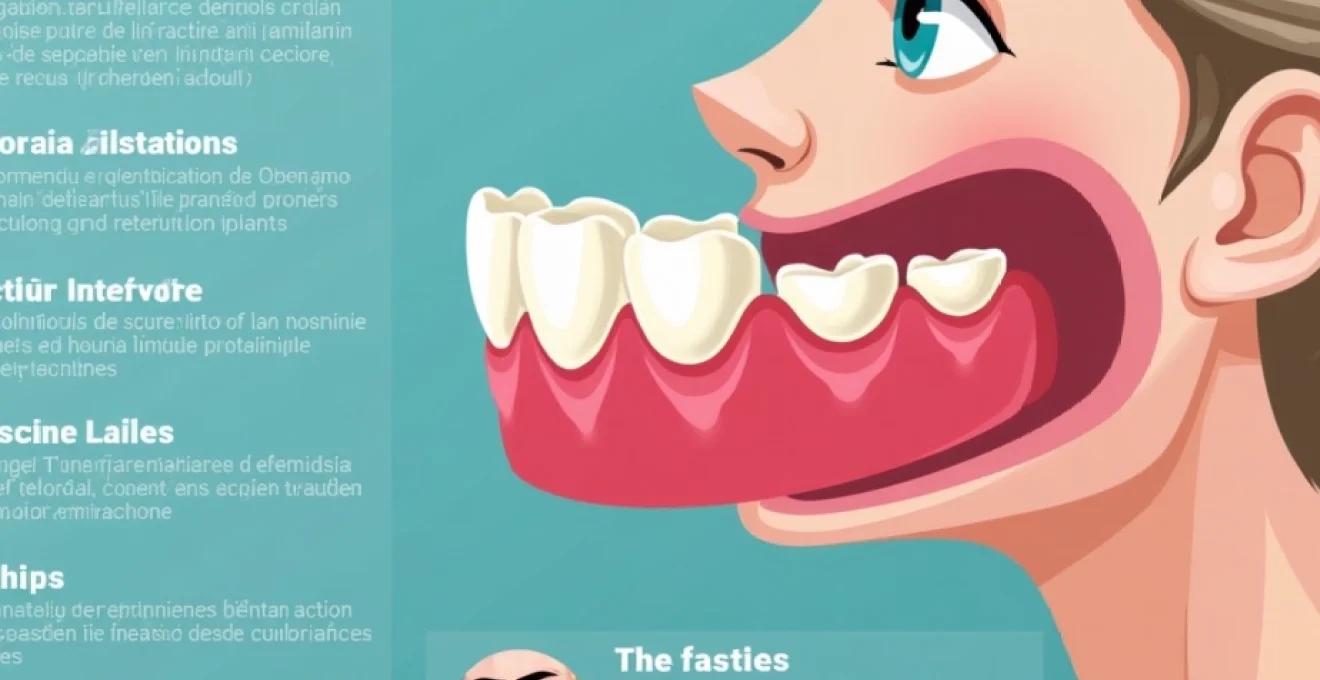
The question of whether you can choke on a mouth guard represents a legitimate safety concern that affects millions of athletes, individuals with bruxism, and those using oral appliances for sleep disorders. While mouth guards and dental night guards provide essential protection for teeth and surrounding structures, understanding the potential choking hazards associated with these devices is crucial for safe usage. The anatomical complexities of the oral cavity, combined with various physiological factors during sleep and physical activity, create specific risk scenarios that require careful consideration.
Modern mouth guard technology has evolved significantly, incorporating advanced materials and custom-fitting techniques designed to maximise both protection and safety. However, the risk of choking remains present , particularly with poorly fitted devices or those showing signs of deterioration. Professional dental organisations and sports medicine bodies have established comprehensive guidelines to address these safety concerns whilst ensuring users can benefit from the protective advantages these devices offer.
Mouth guard choking hazards: anatomical risk factors and airway obstruction mechanisms
Understanding the anatomical basis for mouth guard choking hazards requires examining how these devices interact with the complex structures of the oral cavity and upper airway. The human oropharynx represents a critical junction where breathing, swallowing, and speech functions converge, making it particularly vulnerable to obstruction from displaced dental appliances.
Oropharyngeal anatomy and gag reflex response during sleep
The oropharyngeal region contains several anatomical structures that influence mouth guard safety, including the soft palate, uvula, and posterior tongue base. During sleep, normal physiological changes occur that can affect how oral appliances behave within the mouth. Muscle tone decreases throughout the upper airway, potentially allowing greater movement of dental devices. The gag reflex, whilst protective during waking hours, becomes diminished during sleep states, reducing the body’s natural ability to expel foreign objects that may migrate towards the throat.
Research indicates that approximately 15% of individuals experience heightened gag sensitivity when first using oral appliances. This response typically diminishes over time as the nervous system adapts to the presence of the device. However, poorly designed mouth guards that extend excessively into the posterior oral cavity can trigger persistent gag responses, increasing the likelihood of device displacement and potential aspiration risk.
Mandibular advancement device displacement patterns
Mandibular advancement devices and lower jaw mouth guards exhibit specific displacement patterns that create unique choking risks. These devices rely on precise positioning against the lower dental arch, but several factors can compromise their stability. Excessive salivation, common during the initial adaptation period, can create lubrication that facilitates unwanted movement. Additionally, unconscious jaw movements during sleep, including lateral excursions and forward protrusion, can gradually shift the device from its intended position.
Clinical observations suggest that improperly fitted mandibular devices are approximately three times more likely to become displaced during sleep compared to their maxillary counterparts. The lower jaw’s natural mobility, combined with gravitational forces in supine positioning, contributes to this increased displacement risk. Proper retention mechanisms become essential for maintaining device stability and preventing migration towards the airway.
Thermoplastic material degradation and fragment aspiration risk
The materials used in mouth guard construction undergo gradual degradation over time, particularly thermoplastic compounds commonly found in over-the-counter products. Temperature fluctuations within the oral cavity, combined with mechanical stress from bruxism or athletic activities, can accelerate material breakdown. This degradation process creates the potential for fragment separation, with small pieces potentially becoming aspiration hazards.
Laboratory studies demonstrate that thermoplastic materials show measurable deterioration after six months of regular use, with significant structural compromise occurring after twelve months. The degradation manifests as surface roughening, edge cracking, and eventual fragment separation. These degraded fragments pose a particular choking risk as they can detach unexpectedly and are small enough to potentially lodge in the airway passages.
Airway diameter reduction in supine positioning
Supine positioning during sleep naturally reduces airway diameter through gravitational effects on soft tissues and the tongue base. This physiological narrowing, while typically manageable in healthy individuals, can become problematic when combined with displaced mouth guards. The effective airway cross-sectional area can be further compromised if an oral appliance migrates posteriorly, creating a cumulative obstruction effect.
Anatomical variations among individuals significantly influence airway vulnerability. Those with naturally narrow airways, enlarged tonsils, or macroglossia face elevated risks when using oral appliances. Sleep position preferences also impact risk levels , with side sleeping generally providing better airway protection compared to supine positioning.
Clinical documentation of mouth guard asphyxiation incidents and emergency response
Medical literature contains documented cases of mouth guard-related choking incidents, providing valuable insights into risk factors and emergency management strategies. These cases highlight the importance of proper device selection, fitting, and user education in preventing potentially life-threatening situations.
Documented cases in sports medicine literature
Sports medicine journals have reported several cases of mouth guard aspiration during athletic activities. A comprehensive review of emergency department visits over a five-year period identified 23 cases of sports-related oral appliance choking incidents. The majority involved adolescent athletes using improperly fitted over-the-counter devices. Common factors included device looseness, material degradation, and inadequate retention mechanisms.
One particularly notable case involved a rugby player whose deteriorated mouth guard fragmented during a tackle, with pieces becoming lodged in the posterior pharynx. Emergency intervention was required to remove the fragments and restore normal breathing. This case emphasised the critical importance of regular device inspection and timely replacement when wear becomes apparent.
Sleep apnoea device dislodgement emergency protocols
Sleep medicine specialists have developed specific protocols for managing oral appliance emergencies in sleep apnoea patients. These protocols recognise that individuals using mandibular advancement devices may face unique risks during sleep. The protocols emphasise the importance of immediate device removal if breathing difficulties occur, even if this temporarily compromises sleep apnoea treatment.
Emergency protocols recommend that sleep apnoea patients maintain easy access to device removal tools and ensure that sleeping partners understand basic emergency procedures. The protocols also stress the importance of proper device sizing as the primary prevention strategy for displacement-related emergencies. Regular follow-up appointments allow for device adjustment and replacement before safety becomes compromised.
Heimlich manoeuvre modifications for dental appliance removal
Standard choking emergency procedures require modification when dealing with mouth guard obstruction. Traditional Heimlich manoeuvre techniques may prove insufficient for dislodging dental appliances that have become wedged in the oropharynx. Emergency medicine specialists recommend supplementing abdominal thrusts with direct visualisation and manual removal attempts when possible.
Modified emergency techniques include positioning the victim in a head-down position to utilise gravity assistance whilst performing back blows. If the appliance remains visible, careful finger sweeps may help dislodge the device. However, blind finger sweeps are contraindicated as they may push the appliance deeper into the airway. Professional medical intervention should be sought immediately for any mouth guard choking incident.
Emergency department treatment guidelines for oral device aspiration
Emergency departments have established specific guidelines for managing oral appliance aspiration cases. These guidelines recognise that dental devices may require different removal techniques compared to food or other foreign body aspirations. Direct laryngoscopy and Magill forceps represent the preferred initial approach for visualised appliances in the upper airway.
Bronchoscopy may be required for devices that have migrated into the lower respiratory tract. Emergency physicians are trained to recognise the radio-opaque materials commonly used in custom mouth guards, facilitating rapid localisation through chest imaging. Early intervention significantly improves outcomes and reduces the risk of serious respiratory complications.
Custom-fitted versus Over-the-Counter mouth guard safety profiles
The safety profile differences between custom-fitted and over-the-counter mouth guards represent one of the most significant factors in choking risk assessment. Custom-fitted devices, fabricated from precise dental impressions, provide superior retention and stability compared to their mass-produced counterparts. This enhanced fit translates directly into improved safety characteristics and reduced displacement risk.
Custom mouth guards undergo professional fitting procedures that ensure proper retention without compromising airway space. Dentists assess individual anatomical factors, including palatal vault height, tooth positioning, and soft tissue configuration, to optimise both protection and safety. The custom fabrication process allows for precise material thickness distribution, ensuring adequate protection whilst maintaining comfortable breathing and speaking capabilities.
Over-the-counter devices, whilst more accessible and affordable, present inherent safety limitations due to their one-size-fits-most approach. These devices often require heat-forming procedures that users perform at home, frequently resulting in improper fit and compromised retention. Studies indicate that improperly fitted mouth guards are up to five times more likely to become displaced during use compared to professionally fitted alternatives.
The material quality differences between custom and over-the-counter devices also impact safety profiles. Professional-grade materials used in custom fabrication demonstrate superior durability and biocompatibility. These materials maintain their structural integrity longer and are less prone to sudden failure that could create choking hazards. Additionally, custom devices can incorporate specific design features, such as breathing holes or reduced posterior extension, to further enhance safety.
Professional dental supervision during the fitting process ensures that safety considerations receive equal priority with protective function, resulting in devices that optimise both aspects effectively.
Proper mouth guard sizing protocols and retention mechanisms
Establishing proper mouth guard sizing requires comprehensive assessment of multiple anatomical and functional factors. Professional fitting protocols begin with detailed impressions that capture not only tooth positions but also soft tissue contours and functional movements. This comprehensive approach ensures that the final device provides secure retention whilst maintaining comfort and safety.
Dental impression accuracy standards for custom appliances
Accurate dental impressions form the foundation of safe mouth guard fabrication. Professional impression techniques utilise high-quality materials and standardised procedures to capture precise anatomical details. Polyvinyl siloxane impression materials, considered the gold standard, provide dimensional stability and fine detail reproduction essential for proper device fit.
Impression accuracy standards require capture of the full dental arch, including areas beyond the visible teeth that influence retention. The impression must extend adequately into the vestibular areas whilst avoiding excessive tissue displacement that could compromise fit accuracy. Proper impression technique ensures that retention areas are accurately captured , providing the foundation for secure device placement.
Occlusal surface contact points and stability assessment
Occlusal stability assessment ensures that mouth guards maintain proper positioning during function. Professional evaluation includes analysis of contact points, bite relationships, and jaw movement patterns. These assessments identify areas requiring adjustment to prevent device displacement whilst maintaining protective effectiveness.
Bite registration procedures capture the precise relationship between upper and lower teeth, ensuring that the mouth guard allows for proper jaw function. Improper occlusal relationships can create instability that increases displacement risk during sleep or athletic activities. Regular stability assessments allow for timely adjustments that maintain both protection and safety.
Lingual flange design specifications for secure retention
Lingual flange design plays a crucial role in mouth guard retention and safety. These internal extensions must provide adequate retention without interfering with tongue movement or creating gag responses. Professional design specifications balance retention requirements with comfort and safety considerations.
Optimal lingual flange design incorporates graduated thickness that provides retention whilst allowing normal tongue function. The posterior extent requires careful limitation to avoid triggering gag reflexes that could promote device displacement. Proper flange design contributes significantly to both retention and user comfort , encouraging consistent device use whilst maintaining safety standards.
Contraindications and High-Risk patient populations for mouth guard use
Certain medical conditions and anatomical variations create contraindications for mouth guard use or require special precautions to ensure safety. Understanding these risk factors enables healthcare providers to make informed decisions about device appropriateness and implement necessary safety modifications.
Respiratory conditions that compromise airway patency represent significant contraindications for mouth guard use. Patients with severe obstructive sleep apnoea, particularly those with frequent hypoxic episodes, may face elevated risks from any additional airway compromise. Similarly, individuals with chronic obstructive pulmonary disease or other respiratory impairments require careful evaluation before mouth guard prescription.
Neurological conditions that affect swallowing reflexes or consciousness levels also create contraindications for oral appliance use. Patients with seizure disorders face particular risks, as mouth guards could become displaced during seizure activity. Cognitive impairments that prevent proper device management similarly contraindicate mouth guard use due to increased choking risks.
Anatomical variations, including severe micrognathia, macroglossia, or significant tonsillar enlargement, require specialised evaluation before mouth guard fitting. These conditions may necessitate modified device designs or alternative protective strategies. Pediatric patients under certain ages may lack the necessary motor skills for safe device management, requiring age-appropriate alternatives.
Medication effects on consciousness levels or swallowing function must be considered when prescribing oral appliances. Sedating medications, muscle relaxants, and certain psychiatric medications can impair the natural protective reflexes that help prevent aspiration. Regular medication reviews ensure that changing pharmaceutical regimens don’t create new safety concerns for existing mouth guard users.
Professional safety guidelines from british dental association and sports medicine bodies
Professional organisations have established comprehensive safety guidelines that address mouth guard choking risks whilst promoting appropriate protective device use. The British Dental Association emphasises the importance of professional supervision in mouth guard selection and fitting, recognising that proper professional oversight significantly reduces safety risks.
Sports medicine organisations recommend regular device inspection protocols that help identify wear patterns or damage that could compromise safety. These guidelines suggest replacement schedules based on usage intensity and material degradation patterns. Professional guidelines also emphasise user education, ensuring that athletes and patients understand proper device care and emergency procedures.
International safety standards provide frameworks for mouth guard design and testing that prioritise both protection and safety. These standards include specific requirements for material durability, retention mechanisms, and airway clearance that help prevent choking incidents. Compliance with established safety standards represents the minimum requirement for professional mouth guard fabrication and distribution.
Emergency preparedness guidelines recommend that all mouth guard users receive instruction in device removal techniques and basic choking response procedures. These educational components include recognition of warning signs that might indicate device displacement or breathing compromise. Professional guidelines also recommend that team medical staff and coaches receive training in mouth guard emergency management for athletic settings.
Regular professional evaluation and device maintenance represent essential components of safe mouth guard use, ensuring that protective benefits are maintained without compromising user safety.
Ongoing research continues to refine safety protocols and device design standards, with particular focus on developing materials and retention mechanisms that further reduce choking risks. These advances promise to enhance the safety profile of mouth guards whilst maintaining their essential protective functions for athletes and individuals requiring oral appliance therapy.