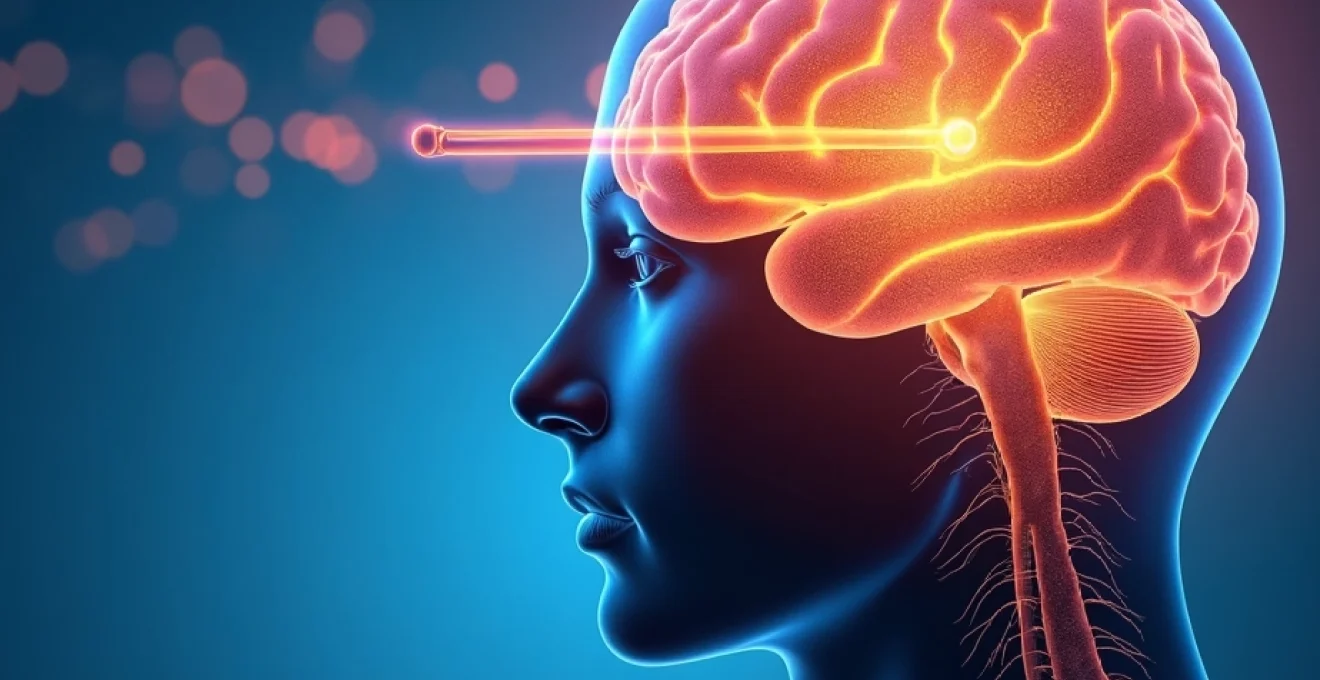
Experiencing unusual cold sensations within the head can be both alarming and perplexing. These peculiar symptoms, often described as feeling ice-cold water trickling through the brain or sudden chills emanating from within the skull, affect countless individuals worldwide. While such sensations might seem mysterious, they represent legitimate neurological phenomena that can stem from various underlying conditions ranging from benign to serious medical concerns.
The human brain’s intricate network of sensory processing systems can sometimes generate these atypical temperature perceptions through multiple mechanisms. Understanding the potential causes behind cerebral cold sensations requires examining neurological, vascular, and psychological factors that influence how the brain interprets and processes sensory information. These manifestations often fall under the broader category of dysesthesia, which encompasses abnormal touch-based sensations that can feel unpleasant, unusual, or unexpected.
Neurological conditions associated with intracranial cold sensations
Neurological disorders frequently manifest through altered sensory experiences, including abnormal temperature perceptions within the cranium. The brain’s complex neural pathways responsible for processing sensory information can become disrupted by various pathological processes, leading to the characteristic cold sensations many patients describe. These conditions affect different regions of the nervous system, from peripheral nerves to central brain structures.
Migraine aura and trigeminal neuralgia manifestations
Migraine attacks often produce a constellation of sensory disturbances known as aura phenomena, which can include temperature-related sensations throughout the head and face. The trigeminal nerve, responsible for facial sensation, plays a crucial role in these experiences. During migraine episodes, patients frequently report feeling cold sensations that seem to originate from deep within the brain tissue itself.
Research indicates that approximately 25% of migraine sufferers experience aura symptoms, which can include thermal dysesthesia. The sphenopalatine ganglion, a cluster of nerves near the trigeminal system, becomes hyperactive during these episodes. This hyperactivity can generate the sensation of cold water flowing through neural pathways, creating the distinctive brain freeze-like experience many patients describe.
Multiple sclerosis demyelination effects on temperature perception
Multiple sclerosis represents one of the most significant neurological causes of abnormal brain sensations. The progressive demyelination of nerve fibres throughout the central nervous system disrupts normal sensory signal transmission. Patients with MS frequently report experiencing phantom cold sensations that seem to originate from various brain regions, often described as ice-cold water trickling through neural tissue.
These sensations occur because demyelinated nerve fibres cannot properly conduct electrical impulses. The disrupted signal transmission creates false sensory perceptions, including temperature anomalies that feel remarkably real to patients. MRI studies often fail to correlate these sensations with new lesion formation, suggesting that existing demyelinated areas can generate ongoing sensory disturbances.
Temporal arteritis and vascular inflammation symptoms
Temporal arteritis, also known as giant cell arteritis, affects blood vessels supplying the brain and scalp regions. This inflammatory condition can produce various sensory symptoms, including cold sensations that patients localise to specific cranial areas. The inflammation disrupts normal blood flow patterns, affecting the neural structures that process temperature information.
The condition typically affects individuals over 50 years of age and can cause severe complications if left untreated. Cold sensations may accompany other symptoms such as scalp tenderness, jaw claudication, and visual disturbances. Prompt diagnosis and treatment with corticosteroids can prevent serious complications including permanent vision loss.
Cluster headache pathophysiology and cold perception
Cluster headaches represent one of the most severe forms of primary headache disorders, characterising intense unilateral pain accompanied by various autonomic symptoms. During active cluster periods, patients often experience altered thermal sensations in the affected cranial region. The hypothalamic dysfunction underlying cluster headaches affects temperature regulation centres within the brain.
The trigeminal-autonomic pathway activation during cluster attacks can generate cold sensations that patients describe as freezing water flowing through specific brain regions. These sensations often precede or accompany the characteristic intense pain episodes. Understanding this connection helps clinicians recognise cluster headache patterns and implement appropriate preventive treatments.
Brain tumour pressure effects on sensory processing
Intracranial masses can create pressure effects that disrupt normal sensory processing pathways. Brain tumours, whether primary or metastatic, may cause various neurological symptoms including abnormal temperature sensations. The location and size of the tumour determine which specific sensory modalities become affected.
Tumours affecting the parietal lobe, where somatosensory processing occurs, are particularly likely to cause temperature perception abnormalities. The gradual onset of cold sensations accompanied by other neurological deficits should prompt immediate medical evaluation. Early detection through appropriate imaging studies can significantly impact treatment outcomes and prognosis.
Vascular mechanisms behind cerebral cold sensation phenomena
Cerebrovascular conditions represent another major category of disorders that can manifest as abnormal brain temperature sensations. The brain’s extensive vascular network supplies oxygen and nutrients to neural tissue while maintaining optimal temperature regulation. When these blood vessels become compromised through various pathological processes, patients may experience distinctive cold sensations that reflect underlying circulatory dysfunction.
The intricate relationship between cerebral blood flow and sensory perception means that even subtle vascular changes can produce noticeable temperature-related symptoms.
Basilar artery insufficiency and posterior circulation disorders
The basilar artery system supplies blood to critical brainstem structures responsible for maintaining consciousness and coordinating sensory information. When this circulation becomes compromised, patients may experience various neurological symptoms including aberrant temperature perceptions . Basilar artery insufficiency often produces transient symptoms that can include cold sensations localised to specific brain regions.
These vascular events can result from atherosclerosis, embolism, or other circulatory disorders affecting the posterior circulation. The brainstem structures supplied by this system include temperature regulation centres, making thermal dysesthesia a common manifestation. Patients typically describe these sensations as brief episodes of intense cold that seem to emanate from deep within the skull.
Carotid artery stenosis impact on cerebral blood flow
Carotid artery stenosis reduces blood flow to anterior brain regions, potentially affecting sensory processing areas located in the frontal and parietal cortices. This reduced perfusion can generate various neurological symptoms, including abnormal temperature sensations that patients often describe as cold spots or chilled areas within the brain tissue.
The gradual nature of carotid stenosis means that symptoms often develop slowly over time. Patients may initially notice subtle cold sensations that become more pronounced as the stenosis progresses. Duplex ultrasound studies can identify significant stenosis, while computed tomography angiography provides detailed visualisation of the vascular anatomy.
Vertebrobasilar transient ischaemic attack presentations
Transient ischaemic attacks affecting the vertebrobasilar system can produce dramatic but temporary neurological symptoms. These episodes may include sudden onset cold sensations that feel like ice water flowing through brain tissue . The symptoms typically resolve completely within 24 hours, but they serve as important warning signs of potential stroke risk.
The posterior circulation supplies brainstem and cerebellar structures crucial for maintaining sensory integration. When these areas experience temporary ischaemia, patients may develop various sensory disturbances including thermal dysesthesia. Proper evaluation and risk factor modification can help prevent progression to complete stroke.
Intracranial hypotension and cerebrospinal fluid dynamics
Intracranial hypotension, often resulting from cerebrospinal fluid leaks, can cause various neurological symptoms including abnormal sensory perceptions. The altered pressure dynamics within the cranial cavity affect neural function and can generate cold sensations that patients localise to specific brain regions. These symptoms often worsen in upright positions and improve with lying flat.
Spontaneous CSF leaks can occur following minor trauma or may develop without obvious precipitating factors. The resulting low-pressure environment affects brain tissue mechanics and can disrupt normal sensory processing. MRI studies with gadolinium contrast can help identify the source of CSF leakage, enabling targeted treatment approaches.
Psychiatric and psychological factors in brain cold sensations
The relationship between mental health conditions and physical sensations remains complex and multifaceted. Anxiety disorders, depression, and stress-related conditions can manifest through various somatic symptoms, including unusual temperature sensations within the head. These experiences represent genuine physiological responses to psychological distress rather than imagined or fabricated symptoms.
Anxiety particularly affects the autonomic nervous system, which controls involuntary bodily functions including temperature regulation. During periods of heightened anxiety, patients may experience cold sensations that seem to originate from within the brain tissue itself. The hypothalamic-pituitary-adrenal axis activation during stress responses can alter normal sensory processing, creating phantom thermal sensations that feel remarkably real.
Post-traumatic stress disorder represents another psychological condition that can generate abnormal sensory experiences. The hypervigilant state characteristic of PTSD affects how the brain processes sensory information, potentially creating cold sensations as part of the body’s altered stress response. These symptoms often accompany other manifestations such as hyperarousal, intrusive thoughts, and sleep disturbances.
Depression can also contribute to abnormal sensory perceptions through its effects on neurotransmitter systems. The dysregulation of serotonin and other chemical messengers affects pain and temperature processing pathways. Patients with major depressive disorder may experience various somatic complaints, including cold sensations that they localise to specific brain regions.
Understanding the mind-body connection helps validate patients’ experiences while identifying appropriate treatment approaches that address both psychological and physical symptoms.
Environmental and lifestyle triggers for intracranial temperature anomalies
Various environmental and lifestyle factors can precipitate or exacerbate cold sensations within the brain. Temperature extremes, particularly sudden exposure to cold environments, can trigger thermal dysesthesia in susceptible individuals. The rapid temperature changes affect blood vessel constriction and neural activity, potentially generating the characteristic cold sensations many patients describe.
Dietary triggers play a significant role in some individuals’ symptom patterns. Consuming very cold foods or beverages can activate the sphenopalatine ganglion, creating brain freeze phenomena that may persist longer than typical in sensitive individuals. Caffeine withdrawal can also generate various neurological symptoms, including abnormal temperature perceptions as the brain adjusts to altered neurotransmitter levels.
Sleep deprivation significantly affects neural function and can increase susceptibility to various sensory disturbances. The brain’s temperature regulation systems become less efficient during periods of inadequate rest, potentially leading to unusual thermal sensations. Shift workers and individuals with chronic insomnia often report increased frequency of these symptoms during periods of sleep disruption.
Hormonal fluctuations, particularly in women, can influence temperature perception and sensory processing. Menstrual cycle variations, pregnancy, and menopause can all affect how the brain interprets sensory information. These hormonal changes interact with neurotransmitter systems responsible for temperature regulation, creating periods of increased susceptibility to thermal dysesthesia.
Certain medications can also contribute to abnormal sensory perceptions. Antidepressants, anticonvulsants, and some blood pressure medications may cause side effects that include altered temperature sensations. The timing of symptom onset in relation to medication changes can provide important diagnostic clues for healthcare providers.
Diagnostic approaches for evaluating cerebral cold sensation complaints
Evaluating patients who present with cold sensations in the brain requires a systematic approach that considers neurological, vascular, and psychological factors. The subjective nature of these symptoms can make diagnosis challenging, but appropriate testing can identify underlying pathology when present. A thorough history and physical examination provide the foundation for determining which diagnostic studies may be beneficial.
Magnetic resonance imaging protocol for neurological assessment
MRI represents the gold standard for evaluating structural brain abnormalities that might contribute to abnormal sensory perceptions. High-resolution sequences can detect demyelinating lesions, tumours, and other pathological changes that affect sensory processing pathways. T2-weighted and FLAIR sequences prove particularly useful for identifying white matter abnormalities associated with conditions such as multiple sclerosis.
Gadolinium-enhanced imaging helps distinguish between active inflammatory processes and chronic changes. This contrast agent accumulates in areas where the blood-brain barrier has been disrupted, highlighting acute lesions that might correlate with recent symptom onset. Diffusion-weighted imaging can identify acute ischaemic changes that might not be visible on conventional sequences.
Electroencephalography analysis in temperature perception disorders
EEG studies can help identify abnormal electrical activity within the brain that might contribute to sensory disturbances. Epileptic foci, particularly those affecting the parietal or temporal regions, can generate various sensory symptoms including thermal dysesthesia . Continuous monitoring may be necessary to capture paroxysmal events that correlate with symptom episodes.
Quantitative EEG analysis provides additional information about brain wave patterns and can identify subtle abnormalities not apparent on routine interpretation. This technique proves particularly useful when evaluating patients with intermittent symptoms that may not be captured during standard recording periods.
Computed tomography angiography for vascular evaluation
CTA provides detailed visualisation of cerebral blood vessels and can identify stenosis, aneurysms, and other vascular abnormalities that might contribute to abnormal sensory perceptions. This imaging modality offers excellent spatial resolution for evaluating both large vessel disease and smaller arterial branches that supply sensory processing regions.
The non-invasive nature of CTA makes it an attractive option for initial vascular assessment. The study can be performed quickly, making it suitable for emergency department evaluations when acute vascular events are suspected. Three-dimensional reconstruction capabilities allow for comprehensive visualisation of complex vascular anatomy.
Lumbar puncture considerations in intracranial pressure assessment
Cerebrospinal fluid analysis may be indicated when inflammatory or infectious processes are suspected. Opening pressure measurement can identify intracranial hypertension or hypotension that might contribute to abnormal sensory perceptions. CSF analysis provides information about cell counts, protein levels, and other markers of pathological processes affecting the central nervous system.
The decision to perform lumbar puncture requires careful consideration of potential risks and benefits. Patients with suspected intracranial masses should undergo imaging studies before CSF sampling to avoid complications from brain herniation. Proper patient positioning and sterile technique are essential for safe procedure completion.
Treatment protocols and management strategies for brain cold sensations
Managing cold sensations in the brain requires individualised treatment approaches based on underlying aetiology and symptom severity. When specific pathological processes are identified, targeted therapy can often provide significant symptom relief. However, many patients require symptomatic management when no identifiable cause can be determined through diagnostic evaluation.
Pharmacological interventions for neurological causes often involve medications that modulate neural activity. Anticonvulsants such as gabapentin and pregabalin can help reduce abnormal sensory perceptions by stabilising neural membranes. These medications prove particularly effective for neuropathic-type symptoms and can provide significant relief for patients with demyelinating conditions or peripheral nerve dysfunction.
Tricyclic antidepressants offer another therapeutic option, particularly for patients whose symptoms include both sensory disturbances and mood-related components. These medications affect multiple neurotransmitter systems and can help normalise sensory processing while addressing concurrent depression or anxiety. The anticholinergic side effects may limit their use in some patient populations.
For vascular causes, treatment focuses on addressing underlying circulatory problems and preventing progression. Antiplatelet therapy can reduce thrombotic risk in patients with cerebrovascular disease, while antihypertensive medications help control blood pressure and reduce stroke risk. Surgical interventions such as carotid endarterectomy may be necessary for severe stenotic lesions.
Successful management often requires a multidisciplinary approach that addresses both physical symptoms and their psychological impact on patients’ quality of life.
Non-pharmacological treatments can provide valuable adjunctive therapy for many patients. Stress reduction techniques such as meditation, yoga, and progressive muscle relaxation can help modulate the autonomic nervous system responses that contribute to abnormal sensory perceptions.
Cognitive behavioural therapy provides another effective approach for patients whose symptoms have psychological components. This therapeutic method helps individuals understand the connections between their thoughts, emotions, and physical sensations. Patients learn coping strategies to manage anxiety around their symptoms while developing healthier responses to sensory disturbances.
Physical therapy techniques focusing on neck and shoulder tension can help some patients experience symptom reduction. Cervical spine dysfunction can contribute to altered sensory processing, making manual therapy techniques potentially beneficial. Gentle stretching exercises and postural correction can address musculoskeletal factors that may exacerbate neurological symptoms.
Temperature regulation strategies offer practical relief for many patients experiencing cerebral cold sensations. Maintaining consistent ambient temperatures and avoiding sudden thermal changes can help prevent symptom exacerbation. Some patients find relief through the application of gentle warmth to the head and neck region, though others may prefer cooling techniques depending on their specific symptom patterns.
Regular sleep hygiene practices prove essential for managing neurological symptoms effectively. Establishing consistent sleep-wake cycles helps optimise neural function and reduces susceptibility to sensory disturbances. Sleep quality improvements often correlate with decreased frequency and intensity of abnormal temperature sensations within the brain.
Nutritional interventions can support overall neurological health and potentially reduce symptom severity. Adequate intake of B-complex vitamins, particularly B12 and folate, supports proper neural function. Omega-3 fatty acids may help reduce inflammation within the nervous system, while magnesium supplementation can help stabilise neural membranes and reduce excitability.
Follow-up monitoring remains crucial for patients experiencing persistent or recurrent symptoms. Regular neurological assessments can detect any progression of underlying conditions while evaluating treatment effectiveness. Patients should maintain symptom diaries to identify potential triggers and track response to therapeutic interventions. Early recognition of symptom changes allows for timely treatment adjustments and optimal long-term management outcomes.
The key to successful treatment lies in addressing both the underlying pathophysiology and the patient’s individual response to their symptoms, recognising that cold sensations in the brain represent genuine neurological phenomena deserving of comprehensive medical attention.
Patient education plays a vital role in successful management, helping individuals understand their condition and participate actively in treatment decisions. When patients comprehend the neurological basis for their symptoms, they often experience reduced anxiety and improved treatment compliance. Healthcare providers should emphasise that these sensations represent legitimate medical concerns worthy of proper evaluation and treatment rather than dismissing them as insignificant complaints.