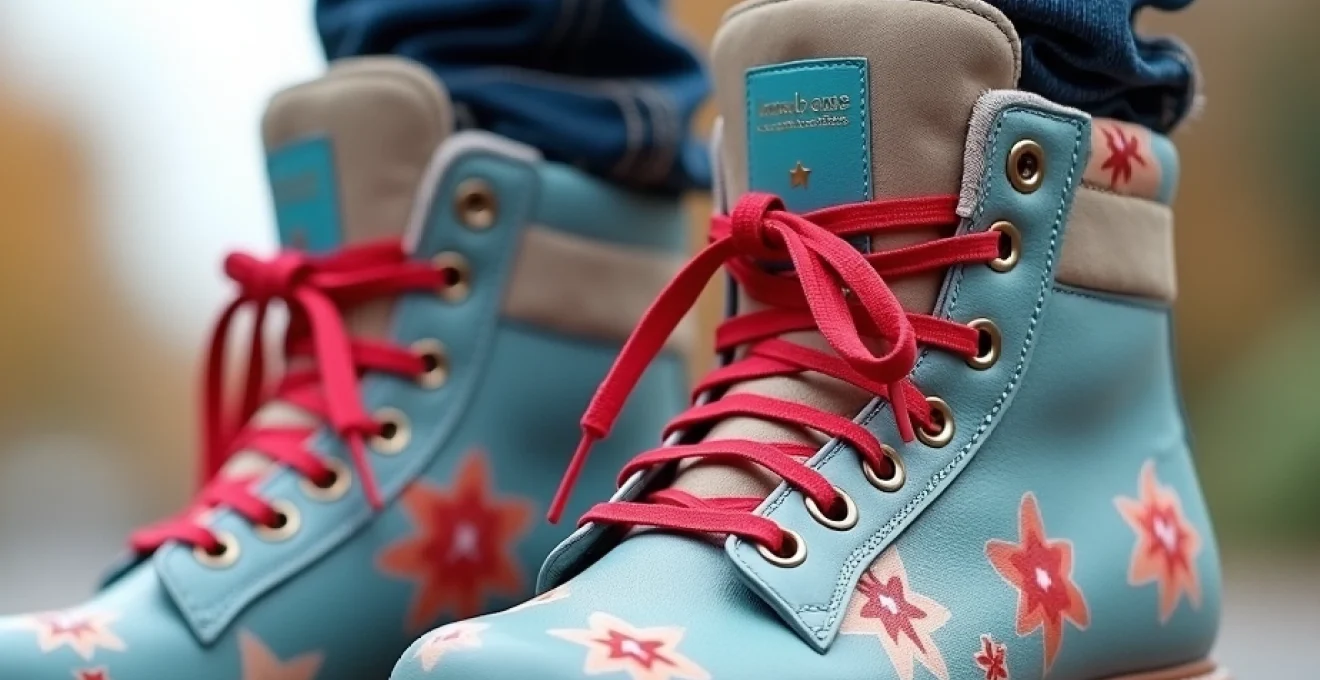
Walking boots, also known as orthopaedic boots or CAM (Controlled Ankle Motion) walkers, serve an essential medical purpose during the recovery process from foot and ankle injuries. However, the standard clinical appearance of these devices often leaves patients feeling self-conscious about their temporary mobility aid. Modern healthcare approaches increasingly recognise the psychological benefits of personalising medical equipment, leading to a growing trend of decorating walking boots to boost patient morale and confidence during recovery.
The evolution of medical boot customisation reflects a broader shift towards patient-centred care, where comfort extends beyond physical healing to encompass emotional wellbeing. Research indicates that patients who feel positive about their medical equipment demonstrate improved compliance with treatment protocols and experience reduced anxiety during recovery periods. This personalisation movement has sparked innovation in decoration techniques, materials, and accessories specifically designed for orthopaedic devices.
Professional healthcare providers now acknowledge that aesthetic modifications to walking boots, when executed safely, can significantly enhance the patient experience without compromising medical functionality. The key lies in understanding which decoration methods maintain the boot’s structural integrity whilst providing the desired visual appeal and personal expression.
Artistic customisation techniques for medical walking boots
The foundation of successful walking boot decoration lies in selecting appropriate artistic techniques that complement the boot’s medical purpose. Professional customisation requires understanding the unique surface properties of orthopaedic boots, which typically feature smooth plastic or fabric exteriors designed for easy cleaning and durability. These surfaces present both opportunities and challenges for artistic application.
Modern decoration techniques have evolved significantly from simple sticker applications to sophisticated artistic processes that rival professional footwear customisation. The most effective approaches combine aesthetic appeal with practical considerations such as hygiene maintenance, durability, and ease of removal. Understanding these techniques enables patients to make informed decisions about their boot personalisation journey.
Fabric paint application methods for orthopaedic boot surfaces
Fabric paint represents one of the most versatile and accessible decoration options for walking boots. Unlike standard acrylic paints, fabric paints maintain flexibility after drying, reducing the risk of cracking or peeling during normal use. The application process requires careful surface preparation, including thorough cleaning with isopropyl alcohol to remove manufacturing residues and ensure optimal paint adhesion.
The most effective fabric paint applications utilise thin, multiple coats rather than single heavy applications. This approach allows each layer to cure properly whilst maintaining the boot’s original flexibility. Professional artists recommend using synthetic brush applicators or foam rollers for smooth surfaces, whilst natural bristle brushes work better for textured boot materials. Temperature and humidity control during application significantly impact final results, with optimal conditions being 18-22°C and 40-60% relative humidity.
Heat transfer vinyl designs using cricut and silhouette machines
Heat transfer vinyl (HTV) has revolutionised walking boot customisation by providing precise, professional-quality designs with minimal artistic skill required. Modern cutting machines like Cricut and Silhouette devices can create intricate patterns, text, and graphics that transfer seamlessly onto boot surfaces. The key to successful HTV application lies in selecting appropriate vinyl types designed for flexible substrates.
The application process involves cutting the design, weeding excess material, and using controlled heat and pressure for transfer. Most walking boots require medium-temperature HTV (approximately 150°C) with 15-20 seconds of application time. Pressure distribution becomes crucial on curved boot surfaces, often requiring sectional application rather than attempting to cover large areas simultaneously. Post-application care includes allowing 24-48 hours for complete adhesion before normal use.
Waterproof acrylic paint selection for Long-Term durability
Waterproof acrylic paints offer superior longevity compared to standard fabric paints, particularly important for patients requiring extended boot wear periods. These specialised formulations incorporate advanced polymer technology that maintains colour vibrancy and adhesion despite exposure to moisture, cleaning solutions, and daily wear stresses. The selection process should prioritise paints specifically formulated for flexible plastic substrates.
Professional-grade waterproof acrylics often include built-in primer properties, eliminating the need for separate base coat applications. However, surface preparation remains critical, requiring degreasing and light abrasion to create microscopic texture for optimal bonding. The curing process for waterproof acrylics typically extends 72-96 hours for full chemical cross-linking, during which the boot should remain dry and unstressed.
Stencilling patterns with Medical-Grade adhesive templates
Stencilling provides consistent, repeatable patterns ideal for patients seeking professional-looking results without advanced artistic skills. Medical-grade adhesive templates ensure clean lines whilst maintaining compatibility with healthcare hygiene requirements. These specialised stencils utilise low-tack adhesives that bond securely during application but remove cleanly without leaving residues.
The stencilling process benefits from systematic planning, beginning with pattern placement mapping to ensure balanced designs across irregular boot surfaces. Registration marks help maintain alignment when using multiple stencil layers or colours. Professional results require attention to paint consistency, avoiding both under-loading (which causes incomplete coverage) and over-loading (which leads to paint bleeding under stencil edges).
Functional decorative accessories for enhanced mobility support
The integration of functional elements into walking boot decoration represents an advanced approach that combines aesthetics with practical benefits. These modifications go beyond surface decoration to incorporate features that genuinely enhance the user experience during recovery. The philosophy behind functional decoration recognises that medical equipment can serve multiple purposes whilst maintaining its primary therapeutic function.
Modern accessory design leverages lightweight materials and ergonomic principles to ensure that decorative additions don’t compromise the boot’s medical effectiveness. The most successful functional accessories address common patient complaints about walking boots, such as visibility in low light conditions, storage limitations, and comfort issues during extended wear periods.
LED light strip integration for Night-Time visibility enhancement
LED light strip integration transforms walking boots into visibility enhancement devices, particularly valuable for patients who must navigate outdoor environments during evening hours. Modern LED strips designed for wearable applications offer battery life exceeding 20 hours whilst maintaining waterproof ratings suitable for medical equipment use. The integration process requires careful routing to avoid interference with the boot’s structural elements.
Professional installations utilise low-profile LED strips with adhesive backing specifically formulated for medical-grade plastics. Battery pack placement becomes critical for maintaining weight distribution and user comfort. Modular designs allow easy battery replacement without disturbing the LED installation, whilst incorporating standard USB charging capabilities for convenience. Advanced systems include motion sensors that automatically activate lighting during movement and conserve battery during static periods.
Reflective tape placement following NHS safety guidelines
Strategic reflective tape placement enhances pedestrian safety whilst adding visual interest to walking boot designs. NHS safety guidelines specify minimum reflective surface areas and optimal placement patterns for maximum visibility from vehicle operators. Standard automotive-grade reflective tape provides visibility distances exceeding 150 metres under vehicle headlight illumination.
Optimal tape placement follows biomechanical principles, positioning reflective elements at points of maximum motion during normal gait patterns. The heel and toe areas receive priority placement, followed by lateral boot surfaces that remain visible during directional changes. Retroreflective materials specifically designed for curved surfaces ensure consistent performance across the boot’s three-dimensional profile. Professional installations include edge sealing to prevent tape lifting during normal wear cycles.
Velcro-attached pouches for medication and phone storage
Velcro-attached storage pouches address the practical challenge of carrying essential items whilst using mobility aids. These accessories utilise medical-grade hook and loop fasteners that maintain holding strength through repeated cleaning cycles. Pouch design must balance capacity with weight distribution to avoid affecting gait stability or comfort during extended wear.
Professional pouch systems incorporate multiple security features, including primary Velcro attachment, secondary safety straps, and waterproof zippers for protection of electronic devices. Internal organisation systems include dedicated compartments for medications, phones, and personal items. Load distribution becomes critical, with optimal placement typically on the posterior boot surface to maintain forward weight balance during ambulation.
Memory foam padding covers with decorative fabric wrapping
Memory foam padding covers provide dual benefits of enhanced comfort and decorative opportunities through fabric selection. Medical-grade memory foam maintains its supportive properties whilst conforming to individual foot shapes for improved pressure distribution. The fabric wrapping system allows complete customisation whilst maintaining easy removal for cleaning purposes.
Professional padding installations require precise measurement to ensure proper fit without creating pressure points or interfering with the boot’s adjustment mechanisms. Fabric selection prioritises breathability, moisture-wicking properties, and compatibility with standard medical cleaning protocols. Antimicrobial treatments embedded in both foam and fabric components help maintain hygiene standards during extended use periods.
Removable cover systems for walking boot personalisation
Removable cover systems represent the pinnacle of walking boot customisation flexibility, allowing patients to change their boot’s appearance based on mood, occasion, or seasonal preferences. These sophisticated systems address the fundamental challenge of maintaining medical functionality whilst providing unlimited creative expression opportunities. The engineering behind removable covers requires careful attention to material properties, attachment mechanisms, and ease of use for patients with limited mobility.
Professional cover systems utilise advanced textile engineering to create form-fitting garments that enhance rather than obstruct the boot’s medical function. The development process involves 3D scanning of common boot models to ensure precise fit across different manufacturers and sizes. This technological approach eliminates the guesswork traditionally associated with aftermarket medical equipment accessories.
Neoprene sleeve designs with zipper closure mechanisms
Neoprene sleeves offer exceptional durability and weather resistance whilst providing insulation benefits during outdoor use. The material’s inherent stretch properties accommodate various boot sizes within each sleeve category, reducing inventory requirements for healthcare providers. Professional neoprene formulations incorporate antimicrobial additives and moisture-wicking treatments specifically designed for extended skin contact applications.
Zipper placement requires careful engineering to ensure accessibility for patients with limited dexterity whilst maintaining structural integrity during normal use. Heavy-duty zippers designed for medical applications incorporate larger pulls and smoother operation mechanisms. The integration process includes reinforced stress points at high-wear areas and double-stitched seams for extended durability. Advanced designs incorporate quick-release mechanisms for emergency medical access.
Elasticated fabric covers using lycra and spandex materials
Elasticated fabric covers utilise advanced synthetic materials to provide form-fitting coverage that moves naturally with the patient’s gait. Lycra and spandex blends offer four-way stretch properties that accommodate the complex three-dimensional movement of walking boots during ambulation. The fabric selection process prioritises recovery speed, colour retention, and compatibility with medical cleaning requirements.
Professional elasticated covers incorporate graduated compression zones that enhance the boot’s supportive properties whilst providing decorative opportunities. Compression mapping ensures that fabric tension complements rather than interferes with the boot’s medical function. Manufacturing processes include flatlock seaming to eliminate pressure points and reduce bulk at critical contact areas. Advanced designs incorporate moisture management systems that actively transport perspiration away from the patient’s skin.
Quick-release buckle systems for easy boot access
Quick-release buckle systems address one of the most common patient complaints about decorative boot covers: the inconvenience of removal for medical adjustments or hygiene maintenance. Professional systems utilise lightweight polymer buckles rated for repeated cycling without performance degradation. The engineering challenge involves creating secure attachment whilst maintaining single-handed operation capability.
Optimal buckle placement follows ergonomic principles to ensure accessibility regardless of the patient’s flexibility limitations. Side-release mechanisms provide the most intuitive operation, whilst incorporating safety features that prevent accidental disengagement during normal activities. Professional installations include redundant attachment points to maintain security even if primary buckles fail. Advanced systems incorporate colour-coding to simplify operation for patients with visual impairments.
Themed decoration concepts for different age demographics
Age-appropriate decoration themes play a crucial role in patient acceptance and psychological comfort during recovery periods. Research demonstrates that personalisation approaches must align with developmental stages and cultural preferences to achieve maximum therapeutic benefit. Professional healthcare providers increasingly recognise the importance of demographic-specific customisation strategies that respect individual identity whilst encouraging treatment compliance.
Paediatric patients require fundamentally different approaches compared to adult demographics, with considerations extending beyond simple colour preferences to include educational opportunities, motor skill development, and social integration concerns. Adult themes must balance professional appearance requirements with personal expression needs, particularly for patients who must wear boots in workplace environments.
Geriatric populations present unique challenges related to vision changes, dexterity limitations, and traditional aesthetic preferences. Successful themed approaches for older adults often incorporate familiar patterns, high-contrast designs, and practical elements that enhance independence during recovery. Cross-generational appeal becomes important for families seeking unified decoration approaches when multiple family members require walking boot therapy.
Cultural sensitivity considerations influence theme selection across all age groups, requiring understanding of religious restrictions, cultural symbols, and traditional colour meanings. Professional decoration services increasingly offer consultation processes that explore these factors before recommending specific approaches. The globalisation of healthcare has created demand for culturally inclusive decoration options that respect diverse patient populations whilst maintaining broad appeal.
Material compatibility assessment for medical boot surfaces
Understanding material compatibility forms the foundation of successful walking boot decoration, as incompatible materials can compromise both aesthetic results and medical functionality. Medical boot manufacturers utilise various polymer formulations, each with unique surface properties that affect decoration adhesion and longevity. Professional assessment requires knowledge of polymer chemistry and surface science principles to predict long-term performance outcomes.
Surface energy analysis represents the most reliable method for predicting decoration adhesion success. Medical grade polymers typically exhibit low surface energy, requiring either surface modification or specialised adhesives for reliable bonding. Corona treatment and plasma modification techniques can increase surface energy, but these processes require specialised equipment and expertise beyond typical patient capabilities. Alternative approaches focus on mechanical bonding through surface texturing or chemical bonding using primer systems specifically formulated for medical polymers.
Flexibility requirements create additional compatibility challenges, as decorative materials must maintain adhesion throughout the boot’s normal flex cycles. Standard rigid paints and adhesives often fail when subjected to the repetitive stress patterns generated during ambulation. Professional material selection prioritises elastomeric formulations that can accommodate substrate movement without losing bond integrity or developing fatigue cracking.
Chemical resistance testing becomes critical when considering cleaning requirements for medical equipment. Standard household cleaners, isopropyl alcohol, and medical-grade disinfectants must not compromise decorative materials or create hygiene concerns. Accelerated aging tests help predict long-term compatibility, but real-world performance often varies due to individual usage patterns and environmental conditions. Professional recommendations typically include regular inspection protocols to identify potential material degradation before it affects medical functionality.
Material compatibility extends beyond simple adhesion to encompass biocompatibility, chemical resistance, and long-term stability under medical use conditions.
Thermal cycling represents another critical compatibility factor, as walking boots experience temperature variations from body heat, environmental conditions, and cleaning processes. Decorative materials must maintain performance across temperature ranges typically spanning 5-60°C without losing adhesion or developing material property changes. Professional testing protocols include accelerated thermal cycling to predict performance over extended wear periods.
Maintenance protocols for decorated orthopaedic walking boots
Maintaining decorated walking boots requires systematic approaches that preserve both aesthetic appeal and medical functionality throughout the recovery period. Professional maintenance protocols address the unique challenges created by combining medical equipment with decorative elements, ensuring that hygiene standards remain uncompromised whilst protecting decorative investments. The development of these protocols requires understanding both medical hygiene requirements and material science principles governing decorative element longevity.
Daily maintenance routines form the foundation of successful long-term decoration preservation. Professional recommendations typically include gentle surface cleaning using medical-grade wipes specifically formulated for polymer surfaces. Abrasive cleaners and harsh chemicals can compromise both the boot’s medical surface and decorative elements, requiring careful product selection. The cleaning frequency must balance hygiene requirements with decoration preservation, typically involving daily spot cleaning and weekly comprehensive maintenance sessions.
Inspection protocols help identify potential problems before they compromise medical functionality or safety. Professional guidelines include systematic visual examination of decoration adhesion, structural integrity, and hygiene condition. Particular attention focuses on high-wear areas such as heel strike zones, toe flexion points, and strap attachment areas where decorative elements experience maximum stress. Early intervention when problems are detected prevents minor issues from developing into safety concerns or requiring complete decoration removal.
Regular maintenance extends decoration lifespan whilst ensuring medical equipment remains safe and hygienic throughout the recovery period.
Professional cleaning techniques vary based on decoration materials and boot construction, requiring customised approaches for different combinations. Water-based decorations typically tolerate gentle soap solutions, whilst solvent-based materials may require specialised cleaning agents. The cleaning process must avoid moisture penetration into the boot
padding through fastener areas or compromising internal cushioning systems. Professional recommendations include allowing complete drying periods between cleaning sessions to prevent moisture accumulation that could affect both hygiene and decoration longevity.
Storage considerations become particularly important for patients with removable decoration systems. Professional protocols recommend dedicated storage solutions that prevent decoration damage whilst maintaining organisation. Climate-controlled environments help preserve material properties, whilst protective containers prevent physical damage during transport or storage periods. The storage system must accommodate regular rotation schedules for patients using multiple decoration sets, ensuring consistent availability whilst allowing adequate maintenance time for each set.
Long-term preservation strategies focus on extending decoration lifespan through preventive maintenance rather than reactive repairs. Professional approaches include periodic reapplication of protective coatings, systematic replacement of wear-prone elements, and documentation of decoration performance over time. These strategies help healthcare providers develop evidence-based recommendations for future patients whilst ensuring that current decorations maintain their intended function throughout the prescribed recovery period.
Professional maintenance protocols also address the unique challenges of removing decorations at the end of treatment periods. Proper removal techniques preserve the underlying boot surface for potential reuse whilst ensuring that decoration materials are disposed of appropriately. Environmental considerations increasingly influence removal protocols, with emphasis on recycling compatible materials and minimising waste generation. The removal process must also consider potential adhesive residues that could affect subsequent use or cleaning of medical equipment.
Emergency maintenance procedures address situations where decorative elements become damaged or compromised during normal use. Professional protocols include rapid assessment criteria to determine whether decoration damage affects medical functionality and requires immediate intervention. Emergency repair techniques focus on temporary stabilisation until proper maintenance can be performed, emphasising safety over aesthetic preservation. These procedures often involve removal of damaged elements rather than attempting field repairs that could compromise medical equipment integrity.
Quality assurance measures ensure that maintenance protocols achieve their intended objectives whilst identifying opportunities for improvement. Professional systems include documentation requirements that track decoration performance, maintenance frequency, and patient satisfaction outcomes. This data collection supports evidence-based refinement of maintenance protocols and helps healthcare providers optimise their decoration program effectiveness. Continuous improvement processes incorporate patient feedback and maintenance staff observations to enhance protocol efficiency and effectiveness over time.
Training requirements for maintenance staff ensure consistent implementation of professional protocols across different healthcare settings. Comprehensive training programs address both technical aspects of decoration maintenance and safety considerations related to medical equipment handling. Professional certification programs help establish industry standards for decoration maintenance competency whilst ensuring that patients receive consistent care quality regardless of healthcare provider or geographic location.
The integration of maintenance protocols with overall patient care plans ensures that decoration maintenance doesn’t interfere with medical treatment schedules or recovery timelines. Professional coordination between healthcare providers and decoration maintenance staff optimises resource allocation whilst maintaining focus on primary therapeutic objectives. This integrated approach recognises that decoration maintenance represents one component of comprehensive patient care rather than an isolated activity that operates independently of medical treatment protocols.