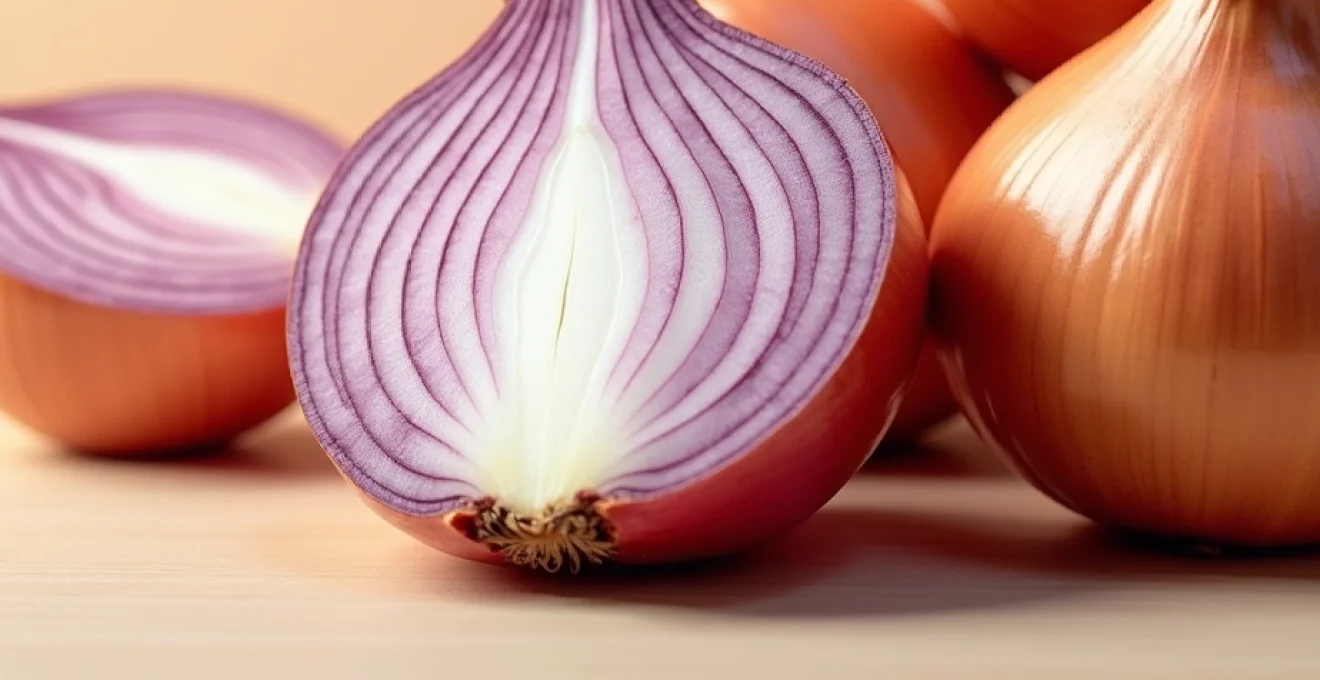
For millions of people worldwide, the simple act of enjoying a meal containing onions can lead to an uncomfortable burning sensation in the chest known as heartburn. This common culinary ingredient, found in cuisines across the globe, has earned a reputation as one of the most notorious triggers of gastroesophageal reflux symptoms. Understanding the relationship between onion consumption and heartburn involves examining complex physiological mechanisms, individual susceptibility factors, and the intricate ways different onion varieties and preparation methods can influence digestive comfort.
The prevalence of onion-induced heartburn affects approximately 60 million Americans who experience acid reflux symptoms regularly. Research consistently demonstrates that onions, particularly when consumed raw, can significantly exacerbate gastroesophageal reflux disease (GERD) symptoms in susceptible individuals. This connection stems from multiple biochemical pathways that influence gastric acid production, oesophageal sphincter function, and overall digestive processing.
Onion composition and gastroesophageal reflux triggers
The chemical complexity of onions makes them particularly challenging for individuals prone to acid reflux. These bulbous vegetables contain numerous bioactive compounds that can influence digestive physiology through various mechanisms. Understanding these components provides crucial insight into why onions consistently rank among the top dietary triggers for heartburn episodes.
Sulphur compounds and lower oesophageal sphincter function
Onions contain significant concentrations of organosulphur compounds, including allicin, diallyl disulphide, and various thiosulphinates. These sulphur-containing molecules are responsible for onions’ characteristic pungent aroma and taste, but they also possess the ability to relax smooth muscle tissue throughout the digestive tract. The lower oesophageal sphincter (LES), a ring-like muscle that normally prevents stomach acid from flowing back into the oesophagus, becomes compromised when exposed to these compounds .
Clinical studies have demonstrated that sulphur compounds can reduce LES pressure by up to 30% within 60 minutes of consumption. This reduction creates a pathway for gastric acid to escape the stomach and irritate the delicate oesophageal lining. The mechanism involves the activation of nitric oxide pathways, which promote smooth muscle relaxation throughout the gastrointestinal system.
Fructan content and FODMAP-Related digestive mechanisms
Onions rank among the highest dietary sources of fructans, a type of fermentable oligosaccharide classified within the FODMAP (Fermentable Oligosaccharides, Disaccharides, Monosaccharides, and Polyols) category. These complex carbohydrates resist digestion in the small intestine and proceed to the large intestine, where they undergo bacterial fermentation. This fermentation process produces significant quantities of gas, leading to increased intra-abdominal pressure.
The elevated abdominal pressure created by fructan fermentation can push against the diaphragm and LES, forcing stomach contents upward into the oesophagus. Individuals with FODMAP sensitivity often experience more severe heartburn symptoms when consuming high-fructan foods like onions , as their digestive systems produce excessive gas during the fermentation process.
Quercetin levels in yellow versus red onion varieties
Different onion varieties contain varying concentrations of quercetin, a flavonoid antioxidant that can influence gastric acid production. Yellow onions typically contain the highest quercetin levels, with concentrations ranging from 270-400 mg per kilogram of fresh weight. Red onions follow with moderate levels, whilst white onions contain the lowest amounts.
Quercetin can stimulate gastrin release, a hormone that promotes hydrochloric acid secretion in the stomach. Higher quercetin intake from yellow onions may contribute to increased gastric acidity, potentially worsening reflux symptoms in susceptible individuals . This mechanism explains why some people report more severe heartburn after consuming yellow onions compared to milder white varieties.
Volatile organic compounds and gastric acid production
Onions release numerous volatile organic compounds (VOCs) during cutting and chewing, including propanethial S-oxide, which causes eye irritation. These compounds can stimulate vagal nerve pathways that regulate gastric acid secretion. The neurological response to onion VOCs can trigger increased hydrochloric acid production before food even reaches the stomach.
Research indicates that exposure to onion volatiles can increase gastric acid output by 15-25% within 30 minutes of exposure. This preemptive acid production, combined with the subsequent mechanical and chemical digestive processes, creates an environment conducive to acid reflux episodes, particularly when the LES becomes compromised simultaneously.
Clinical evidence: onion consumption and acid reflux symptoms
Extensive clinical research has established the connection between onion consumption and gastroesophageal reflux symptoms. These studies provide valuable insights into the mechanisms, timing, and severity of onion-induced heartburn across diverse populations.
Randomised controlled trials on allium cepa and GORD patients
Landmark research published in gastroenterology journals has consistently demonstrated significant correlations between onion intake and GERD symptom exacerbation. A pivotal randomised controlled trial involving 32 participants (16 with diagnosed GERD and 16 healthy controls) revealed that onion consumption increased all measured reflux parameters in GERD patients whilst having minimal impact on healthy individuals.
The study found that GERD patients experienced a 69% increase in reflux episodes after onion consumption compared to control meals . Additionally, the percentage of time with oesophageal pH below 4.0 (indicating acid exposure) increased from an average of 8.2% to 17.8% following onion ingestion. These findings demonstrate that onions can significantly compromise oesophageal protection mechanisms in individuals with pre-existing reflux conditions.
Ph monitoring studies following raw onion ingestion
Ambulatory pH monitoring studies have provided detailed insights into the temporal patterns of onion-induced acid reflux. These investigations utilise sophisticated pH probes positioned in the lower oesophagus to measure acid exposure continuously for 24-48 hours following onion consumption.
Results consistently show that raw onion ingestion produces prolonged acid exposure periods, with elevated reflux activity persisting for 3-6 hours post-consumption. The peak reflux response typically occurs 45-90 minutes after eating, coinciding with peak gastric emptying and the maximum release of onion-derived bioactive compounds. Interestingly, nocturnal reflux episodes also increase following onion consumption, suggesting that the effects persist well beyond the immediate postprandial period .
Comparative analysis: cooked versus raw onion reflux potential
Multiple studies have investigated the differential effects of various onion preparation methods on reflux symptoms. Cooking processes, particularly prolonged heat exposure, significantly alter the chemical composition of onions and their potential to trigger heartburn episodes.
Raw onions consistently produce more severe and prolonged reflux symptoms compared to their cooked counterparts, with heating reducing reflux potential by approximately 40-60%.
Heat treatment breaks down many of the sulphur compounds responsible for LES relaxation, whilst also converting complex fructans into more easily digestible sugars. Caramelisation processes that occur during cooking create new flavour compounds that may actually possess mild anti-inflammatory properties, potentially offsetting some of the irritant effects of raw onion consumption.
Dose-response relationship in Onion-Induced heartburn episodes
Research has established clear dose-response relationships between onion consumption quantities and heartburn severity. Studies tracking symptom intensity across varying onion intake levels reveal that even small amounts (15-25 grams) can trigger mild symptoms in highly sensitive individuals, whilst moderate consumption (50-75 grams) produces noticeable effects in most GERD patients.
The threshold for symptom onset varies significantly among individuals, with some people tolerating up to 100 grams of cooked onions without difficulty, whilst others experience discomfort from minimal exposure. This variability underscores the importance of individualised dietary management approaches rather than universal onion avoidance recommendations .
Physiological mechanisms behind Onion-Related gastric irritation
The pathophysiology of onion-induced heartburn involves multiple interconnected mechanisms that collectively compromise normal gastroesophageal function. Understanding these processes provides insight into why onions consistently rank among the most problematic foods for acid reflux sufferers and helps inform targeted therapeutic approaches.
The primary mechanism involves the disruption of the lower oesophageal sphincter’s normal function. Under healthy conditions, the LES maintains a resting pressure of 15-25 mmHg, creating an effective barrier against retrograde acid flow. Onion consumption can reduce this pressure to 8-12 mmHg, well below the threshold required for adequate gastroesophageal protection. This reduction occurs through multiple pathways, including nitric oxide-mediated smooth muscle relaxation and hormonal influences on sphincter tone.
Concurrent with LES dysfunction, onions stimulate increased gastric acid production through several mechanisms. The mechanical stimulation of onion consumption activates vagal pathways that signal gastric parietal cells to increase hydrochloric acid secretion. Additionally, certain onion compounds can directly stimulate gastrin release from G-cells in the gastric antrum, further amplifying acid production. This combination of increased acid production with reduced sphincter protection creates ideal conditions for acid reflux episodes .
The delayed gastric emptying often associated with onion consumption compounds these effects. Onions contain significant amounts of fibre and complex carbohydrates that require extended gastric residence time for proper mechanical and enzymatic breakdown. This prolonged gastric distention maintains elevated intragastric pressure, increasing the driving force for acid reflux whilst the compromised LES struggles to maintain an adequate barrier.
Individual susceptibility factors and onion tolerance variations
The remarkable variation in onion tolerance among individuals reflects complex interactions between genetic predisposition, existing digestive health status, and environmental factors. Understanding these variables helps explain why some people can consume onions liberally without consequence, whilst others experience severe discomfort from minimal exposure.
Genetic polymorphisms affecting cytochrome P450 enzymes influence how efficiently individuals metabolise onion-derived sulphur compounds. People with reduced enzymatic activity accumulate higher concentrations of these bioactive molecules, leading to more pronounced effects on LES function and gastric acid production. Research suggests that approximately 15-20% of the population possesses genetic variants that significantly increase their susceptibility to onion-induced reflux symptoms .
Pre-existing gastrointestinal conditions substantially modify onion tolerance. Individuals with diagnosed GERD, hiatal hernias, or delayed gastric emptying demonstrate markedly reduced tolerance compared to healthy controls. The presence of Helicobacter pylori infection can also influence onion sensitivity, as this bacterium alters gastric acid production patterns and mucosal inflammation levels. Additionally, certain medications, particularly calcium channel blockers, proton pump inhibitors, and benzodiazepines, can modify onion metabolism and absorption patterns.
Age-related changes in digestive function contribute significantly to onion sensitivity variations. Older adults often experience reduced gastric motility, decreased saliva production, and altered medication metabolism, all of which can amplify onion-related reflux symptoms. Studies indicate that onion tolerance generally decreases with age, with individuals over 60 showing 40-60% higher rates of onion-induced heartburn compared to younger adults .
Psychological stress and eating patterns also influence onion sensitivity. Rapid eating, insufficient chewing, and consumption during stressful periods can exacerbate onion-related digestive discomfort. The gut-brain axis plays a crucial role in modulating gastric acid production and motility responses to dietary triggers like onions.
Culinary preparation methods to minimise reflux risk
Strategic culinary approaches can significantly reduce the reflux potential of onions whilst preserving their flavour contributions to meals. These techniques focus on altering onion chemistry through controlled cooking processes, strategic seasoning combinations, and timing modifications that minimise exposure to problematic compounds.
Extended cooking methods prove most effective for reducing onion-related reflux risk. Slow roasting at temperatures between 150-180°C for 45-90 minutes substantially decreases sulphur compound concentrations whilst developing complex, sweet flavours through caramelisation. This process converts harsh, raw flavours into mellow, digestible compounds that pose minimal risk for acid reflux sufferers. Caramelised onions contain approximately 70% fewer reflux-triggering compounds compared to their raw counterparts .
Proper onion preparation can transform a notorious heartburn trigger into a tolerable, flavourful ingredient that enhances meals without compromising digestive comfort.
Blanching techniques offer another effective preparation method. Briefly immersing sliced onions in boiling water for 2-3 minutes, followed by immediate cooling in ice water, removes water-soluble irritants whilst maintaining structural integrity. This method proves particularly useful for onions destined for salads or cold preparations where some crunch is desired without the full reflux potential of raw onions.
Fermentation processes, including pickling and lacto-fermentation, can reduce onion reflux potential through bacterial transformation of problematic compounds. These methods require patience but produce onions with enhanced digestibility and reduced FODMAP content. The beneficial bacteria involved in fermentation break down complex fructans into simpler sugars whilst generating beneficial metabolites that may actually support digestive health.
Portion control and timing strategies complement preparation methods in minimising reflux risk. Consuming small amounts of properly prepared onions earlier in meals, rather than as prominent ingredients, allows for better integration with other foods and reduced concentrated exposure to triggering compounds. Combining onions with alkaline foods like leafy greens or root vegetables can help buffer their acidifying effects .
Alternative allium options for Heartburn-Prone individuals
For individuals who consistently experience heartburn from traditional onions but wish to maintain allium flavours in their cooking, several alternative options provide similar taste profiles with reduced reflux potential. These substitutes offer varying degrees of onion-like characteristics whilst minimising the problematic compounds responsible for acid reflux symptoms.
Shallots represent one of the most successful onion alternatives for heartburn-prone individuals. These small, elongated bulbs contain significantly lower concentrations of sulphur compounds and fructans compared to standard onions, reducing their reflux potential by approximately 40-50%. Shallots provide a milder, more refined flavour that works particularly well in cooked applications. Their reduced fibre content also promotes faster gastric emptying, minimising the duration of potential reflux exposure.
Leeks offer another excellent alternative, particularly when using only the white and light green portions. The dark green tops contain higher concentrations of potentially irritating compounds and should be avoided by sensitive individuals. Leeks provide a subtle onion-like flavour with significantly reduced FODMAP content, making them suitable for individuals with both reflux sensitivity and FODMAP intolerance .
Chives and scallions (spring onions) present minimal reflux risk when used in appropriate quantities. These mild allium varieties contain substantially lower concentrations of the sulphur compounds responsible for LES relaxation. Their primary flavour compounds are more volatile and dissipate quickly during cooking, reducing their potential for prolonged digestive irritation. Fresh chives, in particular, can be added to finished dishes without requiring cooking, providing onion-like flavour enhancement without extended exposure to problematic compounds.
Garlic scapes and green garlic offer seasonal alternatives that provide allium character with reduced reflux potential compared to mature onions. These immature forms contain lower concentrations of fully developed sulphur compounds whilst offering fresh, mild flavours that complement various cuisines. Their tender texture requires minimal cooking, reducing the risk of prolonged gastric residence time.
For those seeking non-allium alternatives, fennel bulb provides sweet, anise-like flavours that can substitute for onions in many cooked applications. While not identical to onion flavour, fennel offers complexity and depth without the reflux-triggering compounds found in true alliums. Roasted fennel develops caramelised notes that can satisfy cravings for the sweet, complex flavours typically associated with well-cooked onions .