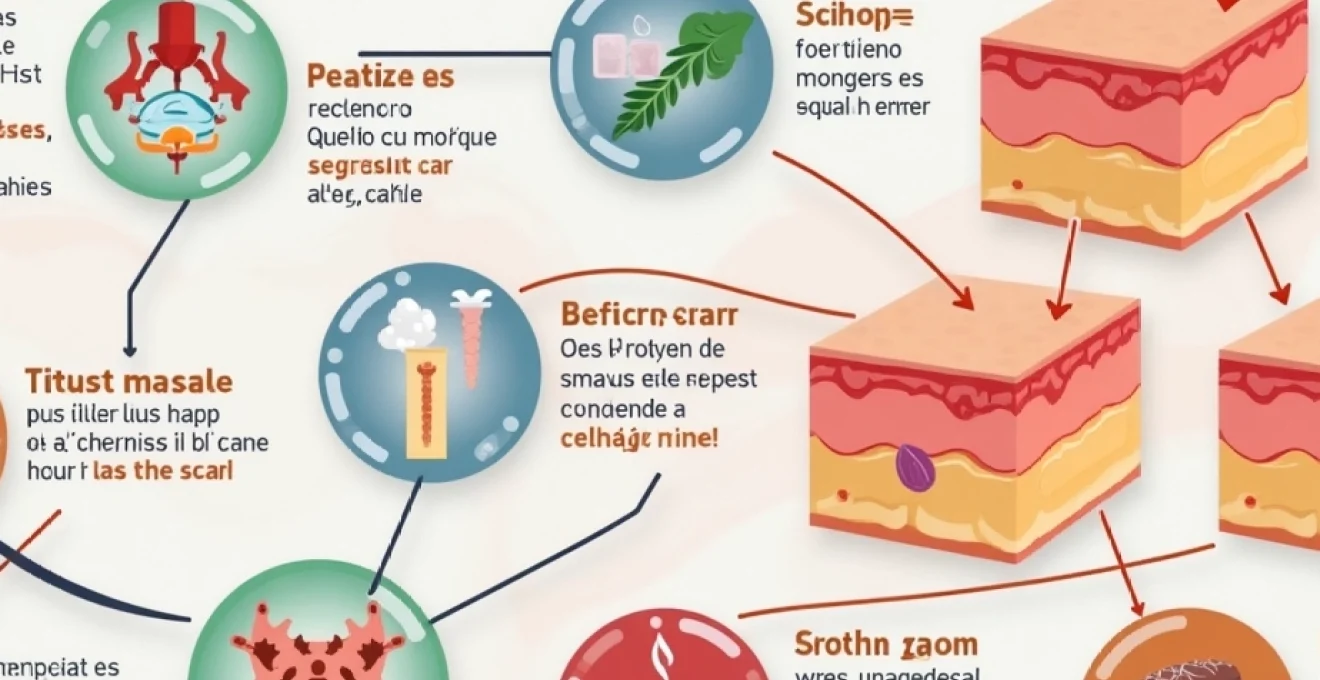
The battle against acne scarring often leads individuals to explore various topical treatments, with many turning to readily available antibiotic ointments like Neosporin in hopes of achieving clearer skin. This widespread practice stems from the logical assumption that if Neosporin effectively treats minor wounds and prevents infection, it might also address the residual marks left by acne lesions. However, the relationship between this popular triple antibiotic ointment and acne scar improvement is far more complex than many realise.
Understanding the science behind acne scar formation and the specific mechanisms of action in topical treatments becomes crucial when evaluating whether Neosporin truly offers benefits for post-acne skin concerns. The effectiveness of any scar treatment depends heavily on matching the therapeutic approach to the underlying pathophysiology of the scarring process, making it essential to examine both the composition of Neosporin and the biological processes involved in acne scar development.
Neosporin composition and active ingredients for dermatological applications
Neosporin represents a combination antibiotic formulation containing three distinct antimicrobial agents: polymyxin B sulphate, neomycin sulphate, and bacitracin zinc. Each component contributes specific antibacterial properties designed to prevent infection in minor wounds, cuts, and abrasions. The formulation also incorporates a petrolatum base that serves as both a vehicle for drug delivery and a protective barrier against environmental contaminants.
The synergistic action of these three antibiotics provides broad-spectrum coverage against various bacterial pathogens commonly associated with superficial skin infections. However, when considering acne scar treatment, the relevance of these antimicrobial properties becomes questionable, as mature acne scars represent healed tissue rather than active infections requiring antibiotic intervention.
Polymyxin B sulphate antimicrobial properties in topical formulations
Polymyxin B sulphate functions as a cationic polypeptide antibiotic that specifically targets gram-negative bacteria by disrupting their cell membrane integrity. This mechanism involves binding to lipopolysaccharides in the bacterial cell wall, leading to increased membrane permeability and subsequent cell death. In the context of wound care, this action helps prevent colonisation by pathogenic organisms such as Pseudomonas aeruginosa and Escherichia coli .
For acne scar treatment, polymyxin B’s antimicrobial effects offer limited benefit since acne scars typically develop from healed inflammatory lesions rather than ongoing bacterial infections. The primary acne-causing bacterium, Propionibacterium acnes , is a gram-positive organism that remains largely unaffected by polymyxin B’s mechanism of action, further questioning its relevance in post-acne scar management.
Neomycin sulphate mechanism of action against propionibacterium acnes
Neomycin sulphate belongs to the aminoglycoside class of antibiotics and exerts its bactericidal effects by binding to the 30S ribosomal subunit, thereby inhibiting bacterial protein synthesis. This antibiotic demonstrates activity against both gram-positive and gram-negative bacteria, though its spectrum excludes many anaerobic organisms, including Propionibacterium acnes .
The limited efficacy of neomycin against the primary acne-causing bacterium significantly reduces its therapeutic value for acne-related conditions. Additionally, neomycin carries a substantial risk of inducing allergic contact dermatitis, with studies indicating sensitisation rates approaching 10% in the general population. This heightened allergenic potential makes neomycin particularly problematic for facial application, where sensitive skin and visible reactions pose greater concerns for patients seeking acne scar improvement.
Bacitracin zinc effectiveness in Post-Inflammatory hyperpigmentation treatment
Bacitracin zinc represents the most potentially beneficial component of Neosporin for acne-related applications, as it demonstrates activity against gram-positive bacteria, including some strains related to acne pathogenesis. This polypeptide antibiotic interferes with bacterial cell wall synthesis by inhibiting the regeneration of phospholipid carriers essential for peptidoglycan formation.
While bacitracin shows some promise against acne-causing organisms , its primary role remains focused on preventing secondary bacterial infections rather than addressing the underlying inflammatory processes that contribute to acne scar formation. Post-inflammatory hyperpigmentation, a common concern following acne resolution, requires targeted approaches addressing melanocyte activity and pigment deposition rather than antimicrobial intervention.
Petrolatum base vehicle impact on transdermal drug delivery
The petrolatum base in Neosporin serves multiple functions, including drug stabilisation, moisture retention, and barrier protection. This occlusive vehicle helps maintain wound hydration, which can support healing in acute injuries. However, when applied to acne-prone or post-acne skin, the occlusive nature of petrolatum may contribute to comedone formation and pore obstruction.
The molecular structure of petrolatum creates an impermeable barrier that prevents transepidermal water loss while simultaneously limiting oxygen exchange and sebum drainage. For individuals with a history of acne , this occlusive effect can potentially trigger new comedonal lesions or exacerbate existing inflammatory conditions, ultimately counteracting any potential benefits the antibiotic components might provide.
Acne scar pathophysiology and tissue remodelling mechanisms
Understanding acne scar formation requires examining the complex interplay between inflammatory processes, collagen metabolism, and tissue repair mechanisms that occur during and after active acne lesions. The pathophysiology of acne scarring involves multiple phases, beginning with the initial inflammatory response to bacterial colonisation and sebaceous gland dysfunction, followed by tissue destruction and subsequent repair attempts that often result in abnormal collagen deposition or loss.
The severity and type of acne scarring depend on numerous factors, including the depth and duration of inflammation, individual genetic predisposition to scarring, and the specific inflammatory mediators involved in the healing response. Deep inflammatory lesions such as nodular and cystic acne carry the highest risk of permanent scarring due to their extensive involvement of dermal structures and prolonged inflammatory cascades.
Atrophic scar formation through collagen degradation pathways
Atrophic acne scars, characterised by depressions or indentations in the skin surface, result from excessive collagen degradation during the inflammatory phase of acne lesion healing. Matrix metalloproteinases (MMPs), particularly MMP-1 and MMP-3, play crucial roles in breaking down existing collagen fibres while inadequate collagen synthesis during the repair phase leads to net collagen loss and subsequent tissue depression.
The inflammatory cascade triggered by Propionibacterium acnes and associated bacterial products activates various immune cells, including neutrophils, macrophages, and T-lymphocytes, which release pro-inflammatory mediators such as interleukin-1α, tumour necrosis factor-α, and transforming growth factor-β. These mediators not only perpetuate inflammation but also influence collagen metabolism, often tipping the balance toward degradation rather than synthesis.
Post-inflammatory erythema versus true dermal scarring differentiation
Distinguishing between post-inflammatory erythema (PIE) and actual dermal scarring represents a critical aspect of appropriate treatment selection. Post-inflammatory erythema manifests as persistent redness following acne lesion resolution and results from capillary dilation and increased vascularity rather than structural tissue damage. This condition typically resolves spontaneously over several months, though the process can be accelerated with appropriate interventions.
True dermal scarring, in contrast, involves permanent alterations to skin architecture through collagen loss or excessive collagen deposition. Atrophic scars present as depressions with intact epidermis overlying areas of dermal volume loss, while hypertrophic or keloid scars result from excessive collagen production and deposition. Understanding these distinctions helps explain why antibiotic ointments like Neosporin show limited efficacy in addressing established acne scars.
Matrix metalloproteinase activity in acne lesion healing
Matrix metalloproteinases serve as key regulatory enzymes in the balance between collagen synthesis and degradation during wound healing and tissue remodelling. In acne lesions, elevated MMP activity contributes to the breakdown of dermal collagen, particularly type I and type III collagen, which provide structural support to the skin. The dysregulation of MMP activity often persists beyond the active inflammatory phase, continuing to influence tissue remodelling during scar formation.
Research has identified specific patterns of MMP expression in acne-prone skin, with MMP-1 (collagenase-1) and MMP-9 (gelatinase-B) showing particularly elevated activity in inflammatory acne lesions. These enzymes target different components of the extracellular matrix , with MMP-1 cleaving fibrillar collagens and MMP-9 degrading gelatin and type IV collagen. The prolonged elevation of these enzymes helps explain the progression from acute inflammation to permanent scarring in susceptible individuals.
Sebaceous gland dysfunction and comedogenic scarring patterns
Sebaceous gland hyperactivity and altered sebum composition contribute significantly to acne pathogenesis and subsequent scarring patterns. The relationship between sebaceous gland dysfunction and scar formation extends beyond simple pore blockage, involving complex interactions between lipid mediators, inflammatory cascades, and tissue repair mechanisms. Altered sebum composition , particularly changes in fatty acid profiles and decreased levels of linoleic acid, can influence skin barrier function and inflammatory responses.
The anatomical distribution of sebaceous glands helps explain the characteristic patterns of acne scarring observed on the face, chest, and back. Areas with higher sebaceous gland density typically experience more severe inflammatory lesions and, consequently, greater scarring potential. Understanding these relationships becomes crucial when evaluating treatment options, as interventions targeting sebaceous gland function may offer superior long-term benefits compared to topical antibiotics that address only superficial bacterial concerns.
Clinical evidence for neosporin in acne scar management
The scientific literature regarding Neosporin’s effectiveness in acne scar treatment reveals a notable absence of robust clinical studies supporting its use for this indication. While numerous studies have validated Neosporin’s efficacy in preventing infection in acute wounds, the extrapolation of these findings to chronic scarring conditions lacks substantial evidence. The fundamental difference between acute wound healing and established scar tissue remodelling requires distinct therapeutic approaches that address different biological processes.
Existing research demonstrates that established acne scars represent mature fibrous tissue with minimal ongoing inflammatory activity, making antimicrobial interventions largely irrelevant to the healing process. Studies examining topical antibiotic use in dermatology consistently emphasise their role in preventing or treating active infections rather than promoting structural tissue improvements in healed lesions. This evidence gap highlights the importance of evidence-based treatment selection for acne scar management.
The few case reports and anecdotal accounts suggesting benefit from Neosporin application to acne scars likely reflect the moisturising properties of the petrolatum base rather than specific therapeutic effects of the antibiotic components. Improved hydration can temporarily reduce the appearance of fine lines and surface irregularities, creating an illusion of scar improvement without addressing underlying structural defects. However, these superficial changes typically prove transient and may potentially worsen acne-prone skin through comedogenic effects.
Clinical dermatology practice guidelines consistently recommend against the routine use of topical antibiotics for non-infectious skin conditions, particularly in cases where more targeted therapies exist.
Furthermore, the potential for developing antibiotic resistance through inappropriate use of topical antimicrobials represents a significant concern in dermatological practice. The indiscriminate application of antibiotic ointments to non-infectious conditions contributes to the broader problem of antimicrobial resistance, potentially compromising future treatment options for genuine bacterial infections. This consideration becomes particularly relevant when safer, more effective alternatives exist for acne scar management.
Alternative topical treatments for acne scarring
The landscape of topical acne scar treatments has evolved significantly with the development of evidence-based therapies that target specific aspects of scar pathophysiology. Unlike broad-spectrum antibiotics, these alternatives address the underlying mechanisms of scar formation and tissue remodelling through targeted molecular pathways. Modern topical treatments focus on promoting collagen synthesis, regulating cellular turnover, reducing inflammation, and improving overall skin texture and appearance.
The selection of appropriate topical therapy depends on several factors, including scar type, depth, age, and patient skin characteristics. Combination approaches often yield superior results compared to single-agent therapies, as different treatments can address multiple aspects of the scarring process simultaneously. Understanding the mechanisms of action for various topical agents enables clinicians to develop personalised treatment regimens that maximise therapeutic benefit while minimising potential adverse effects.
Tretinoin and adapalene retinoid therapy for scar reduction
Topical retinoids represent the gold standard for acne scar treatment due to their multifaceted effects on cellular metabolism, collagen synthesis, and epidermal turnover. Tretinoin, a first-generation retinoid, binds to nuclear retinoic acid receptors, initiating transcriptional changes that promote keratinocyte proliferation and normalise follicular keratinisation. These effects help reduce the appearance of atrophic scars by stimulating collagen production and improving overall skin texture.
Adapalene, a third-generation retinoid, offers similar therapeutic benefits with potentially improved tolerability profiles compared to tretinoin. Clinical studies demonstrate significant improvements in acne scarring with consistent retinoid use over 12-24 weeks. The mechanism involves upregulation of procollagen gene expression , increased dermal thickness, and enhanced cellular turnover that gradually fills in atrophic depressions while smoothing skin surface irregularities.
Hydroquinone 2% versus kojic acid for hyperpigmentation control
Post-inflammatory hyperpigmentation frequently accompanies acne scarring, requiring targeted depigmenting agents for optimal cosmetic outcomes. Hydroquinone 2% functions as a competitive inhibitor of tyrosinase, the rate-limiting enzyme in melanin synthesis, effectively reducing pigment production in affected areas. Clinical trials consistently demonstrate hydroquinone’s efficacy in lightening post-inflammatory hyperpigmentation when used consistently over 8-12 weeks.
Kojic acid presents an alternative depigmenting option with a similar mechanism of action but potentially fewer side effects compared to hydroquinone. This fungal-derived compound chelates copper ions essential for tyrosinase activity, disrupting melanin synthesis pathways. Kojic acid demonstrates particular effectiveness when combined with other depigmenting agents such as arbutin or vitamin C derivatives, creating synergistic effects that enhance overall treatment outcomes.
Silicone gel sheeting efficacy in keloid and hypertrophic scar prevention
Silicone-based therapies have gained recognition as highly effective treatments for hypertrophic and keloid scarring, conditions that can occur following severe inflammatory acne lesions. Silicone gel sheets create an occlusive environment that modulates collagen synthesis and organisation while providing continuous pressure that helps flatten raised scars. The mechanism likely involves alterations in oxygen tension and hydration levels that influence fibroblast activity and collagen deposition patterns.
Clinical evidence supporting silicone gel effectiveness includes numerous randomised controlled trials demonstrating significant improvements in scar height, colour, and overall appearance. The treatment requires consistent application for 12-24 hours daily over several months, making patient compliance a critical factor in treatment success. Silicone gels offer advantages over sheet formulations for facial application due to improved cosmetic acceptability and ease of use under makeup or sunscreen.
Azelaic acid 20% cream Anti-Inflammatory properties
Azelaic acid represents a versatile therapeutic agent with antimicrobial, anti-inflammatory, and comedolytic properties that address multiple aspects of acne and post-acne scarring. This naturally occurring dicarboxylic acid normalises follicular keratinisation, reduces Propionibacterium acnes colonisation, and demonstrates mild depigmenting effects that help address post-inflammatory
hyperpigmentation concerns that frequently accompany acne scarring. Clinical studies demonstrate azelaic acid’s ability to inhibit tyrosinase activity and interfere with DNA synthesis in abnormal melanocytes, leading to gradual lightening of hyperpigmented areas.
The anti-inflammatory properties of azelaic acid stem from its ability to modulate inflammatory mediators and reduce reactive oxygen species production in affected tissues. This dual action against both pigmentation and inflammation makes azelaic acid particularly valuable for treating post-acne scarring where both textural changes and discoloration coexist. The treatment typically requires 8-12 weeks of consistent application to achieve noticeable improvements, with continued use necessary to maintain results.
Professional dermatological interventions for acne scarring
While topical treatments provide valuable support for acne scar management, professional dermatological interventions often prove necessary for achieving significant improvements in moderate to severe scarring cases. These advanced procedures target deeper layers of skin tissue and can stimulate robust collagen remodelling responses that surpass the capabilities of topical agents alone. The selection of appropriate professional treatments depends on careful assessment of scar type, depth, patient skin characteristics, and individual treatment goals.
Modern dermatological practice offers numerous evidence-based interventions ranging from minimally invasive procedures to comprehensive resurfacing techniques. Combination approaches utilising multiple modalities often yield superior outcomes compared to single-treatment strategies, as different interventions can address various aspects of scar pathophysiology simultaneously. Understanding the mechanisms and expected outcomes of each intervention enables informed treatment planning that maximises therapeutic benefit while minimising risks and downtime.
Laser therapies represent the cornerstone of professional acne scar treatment, with fractional laser resurfacing showing particularly impressive results for atrophic scarring. Fractional CO2 lasers create controlled thermal injury zones that stimulate collagen synthesis and tissue remodelling while preserving surrounding healthy tissue for faster healing. Clinical studies demonstrate 50-70% improvement in scar appearance following a series of fractional laser treatments, with continued improvement observed for up to 12 months post-treatment.
Chemical peeling procedures offer another valuable approach for addressing both textural irregularities and pigmentary changes associated with acne scarring. Medium-depth peels using trichloroacetic acid (TCA) can effectively treat mild to moderate atrophic scarring by promoting controlled exfoliation and subsequent collagen regeneration. The depth of chemical penetration can be precisely controlled to match the severity of scarring, allowing for customised treatment approaches that optimise results while minimising complications.
Microneedling with radiofrequency energy delivery represents an innovative approach that combines mechanical stimulation with controlled thermal injury to promote collagen synthesis. This technique creates microscopic channels in the skin while delivering radiofrequency energy to deeper dermal layers, stimulating robust wound healing responses that can significantly improve scar texture and appearance. The procedure typically requires a series of 3-5 treatments spaced 4-6 weeks apart to achieve optimal results.
Dermal filler injections provide immediate volumetric correction for deeper atrophic scars, particularly rolling scars and some boxcar scars. Hyaluronic acid fillers can restore lost dermal volume while stimulating endogenous collagen production through mechanical stretching of fibroblasts. The results from filler treatments typically last 12-18 months, making this approach ideal for patients seeking immediate improvement while pursuing longer-term collagen-building treatments.
Contraindications and safety considerations for neosporin use
The application of Neosporin to facial skin carries several important safety considerations that extend beyond its limited efficacy for acne scar treatment. Understanding these contraindications and potential adverse effects becomes crucial for making informed decisions about topical treatment options. The allergenic potential of Neosporin’s components, particularly neomycin, poses significant risks that may outweigh any minimal benefits for scar improvement.
Allergic contact dermatitis represents the most common and concerning adverse reaction associated with topical neomycin exposure. Studies indicate that approximately 8-10% of the population demonstrates sensitivity to neomycin, with cross-reactivity to other aminoglycoside antibiotics creating additional complications for future medical treatments. The facial skin’s increased sensitivity and the cosmetic implications of allergic reactions make this risk particularly problematic for individuals considering Neosporin for acne scar treatment.
The development of antibiotic resistance through inappropriate topical antibiotic use presents a broader public health concern that extends beyond individual patient outcomes. Prolonged or repeated application of antibiotic ointments to non-infectious conditions contributes to the selection pressure that drives resistant bacterial strains. This consideration becomes particularly relevant given the availability of more effective, non-antibiotic alternatives for acne scar management that avoid contributing to antimicrobial resistance.
Patients with compromised skin barrier function, common in post-acne skin, face increased risks of systemic absorption and sensitisation when using topical antibiotics. The altered permeability characteristics of scarred or recently healed skin can enhance drug penetration, potentially increasing both therapeutic effects and adverse reactions. This enhanced absorption may lead to unexpected systemic exposure levels, particularly concerning for individuals with renal impairment who may have difficulty clearing absorbed antibiotics.
The occlusive nature of Neosporin’s petrolatum base creates additional contraindications for acne-prone individuals. This barrier effect can trap bacteria, sebum, and cellular debris within follicles, potentially triggering new comedonal lesions or inflammatory reactions. For patients with a history of acne, this comedogenic potential may actually worsen existing skin conditions rather than providing the intended benefits for scar improvement.
Pregnancy and lactation present additional considerations for topical antibiotic use, though systemic absorption from appropriately applied topical formulations typically remains minimal. However, the lack of specific safety data for Neosporin use during pregnancy, combined with the availability of safer alternatives for scar treatment, generally favours avoiding unnecessary antibiotic exposure during these periods. Consultation with healthcare providers becomes essential for pregnant or nursing mothers considering any topical treatments for cosmetic skin concerns.
Age-related factors also influence the appropriateness of Neosporin use, with paediatric and geriatric populations showing increased susceptibility to allergic reactions and systemic absorption. Children’s developing immune systems may be more prone to sensitisation, while elderly patients often have compromised skin barrier function that enhances drug penetration. These vulnerable populations require particularly careful consideration of risk-benefit ratios when evaluating topical antibiotic use for non-infectious conditions.
The evidence overwhelmingly suggests that Neosporin offers minimal to no benefit for established acne scar treatment while carrying significant risks of allergic reactions and contributing to antibiotic resistance. The complex pathophysiology of acne scarring requires targeted interventions that address collagen metabolism, cellular turnover, and inflammatory processes rather than antimicrobial activity. Patients seeking effective acne scar treatment would benefit from consulting dermatologists who can recommend evidence-based therapies specifically designed for scar improvement, ranging from topical retinoids and chemical peels to professional laser treatments and dermal fillers. These alternatives not only demonstrate superior efficacy but also avoid the potential complications associated with inappropriate antibiotic use.