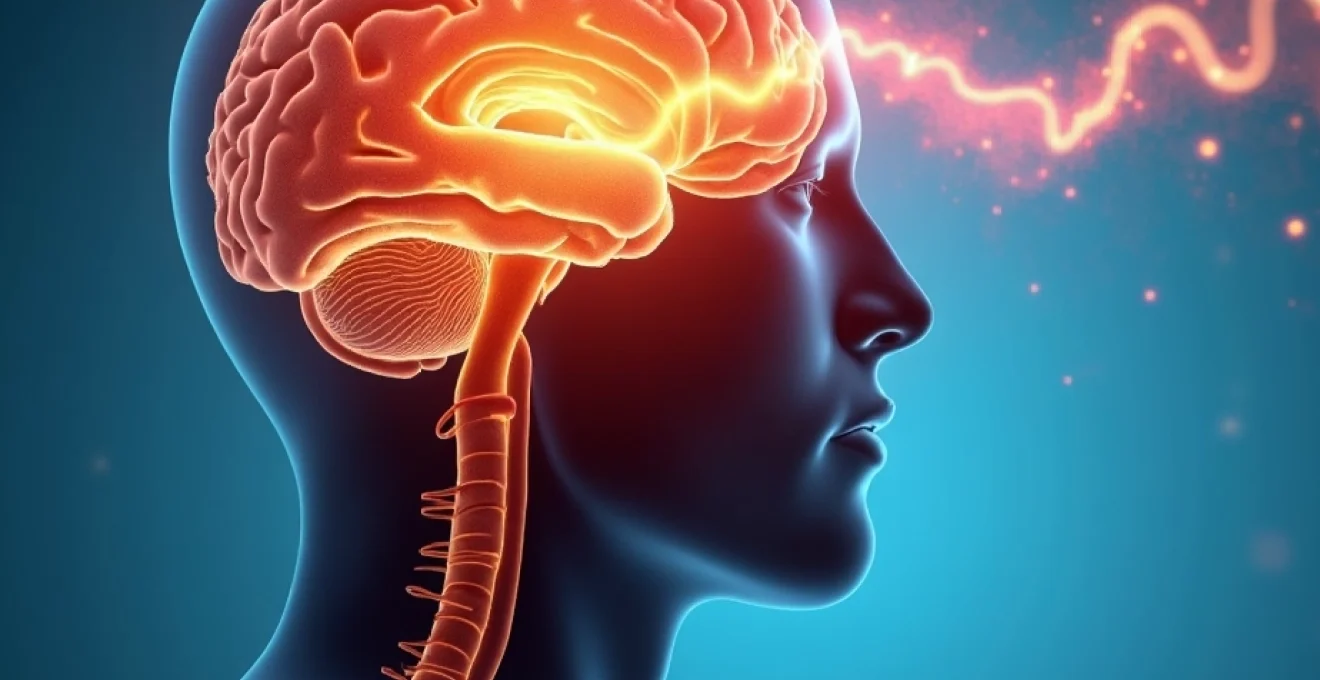
The simultaneous occurrence of headache with metallic taste represents a complex symptom constellation that can indicate various underlying pathological processes. This distinctive combination often perplexes patients and healthcare providers alike, as it encompasses multiple sensory systems and can stem from neurological, metabolic, toxic, or infectious causes. Understanding the intricate mechanisms behind these concurrent symptoms is crucial for accurate diagnosis and effective treatment.
The phenomenon of metallic taste, medically termed dysgeusia, affects approximately 5% of the general population at any given time. When coupled with headache, this symptom pairing becomes even more intriguing from a clinical perspective. The complexity arises from the interconnected nature of taste perception and pain processing within the central nervous system, where disruption in one pathway can significantly impact another.
Neurological pathophysiology behind metallic taste and cephalgia
The neurological foundation of concurrent headache and metallic taste involves sophisticated interactions between multiple cranial nerves and brain regions. The gustatory system relies primarily on cranial nerves VII, IX, and X, which transmit taste information to the brainstem’s nucleus tractus solitarius. This same region processes various sensory inputs and connects extensively with pain centres, creating potential for cross-sensitisation between taste and pain pathways.
Trigeminal nerve dysfunction and gustatory pathway disruption
The trigeminal nerve, responsible for facial sensation and pain, shares intricate connections with taste processing centres. When trigeminal dysfunction occurs, it can simultaneously affect both pain perception in the head and taste sensation. This nerve’s mandibular division innervates the anterior two-thirds of the tongue, creating a direct anatomical link between orofacial pain and gustatory disturbances.
Research indicates that trigeminal neuralgia can trigger secondary changes in taste perception, with patients reporting metallic or bitter sensations during pain episodes. The phenomenon occurs through central sensitisation mechanisms, where prolonged nerve irritation leads to hyperexcitability of adjacent neural pathways. This cross-talk between sensory modalities explains why some individuals experience taste alterations alongside their headache symptoms .
Blood-brain barrier permeability changes in migraine episodes
Migraine episodes involve significant alterations in blood-brain barrier permeability, potentially allowing substances that normally remain in circulation to enter cerebral tissue. During migraine attacks, increased vascular permeability can permit metallic ions, particularly iron and copper, to reach taste centres in concentrations sufficient to trigger dysgeusia. This mechanism explains why some migraine sufferers report metallic taste as an aura symptom or during the headache phase.
The blood-brain barrier dysfunction also affects neurotransmitter metabolism, particularly involving serotonin and norepinephrine systems. These alterations can simultaneously influence pain processing and chemoreception, creating the dual symptom presentation. Studies suggest that approximately 15% of migraine patients experience taste disturbances, with metallic taste being the most commonly reported alteration.
Neurotransmitter imbalances affecting chemoreception
Neurotransmitter imbalances, particularly involving dopamine, serotonin, and acetylcholine, can simultaneously affect pain perception and taste processing. Dopaminergic dysfunction, common in various neurological conditions, can alter both hedonic pain responses and gustatory sensitivity. The substantia nigra and ventral tegmental area, primary dopamine-producing regions, send projections to both pain-modulating centres and gustatory cortex .
Serotonergic imbalances present another mechanism linking headache and metallic taste. Serotonin receptors in the tongue and gustatory pathways can become dysregulated alongside those involved in migraine pathogenesis. This shared neurotransmitter involvement explains why certain antidepressants, which modulate serotonin levels, can either alleviate or exacerbate both symptoms simultaneously.
Central sensitisation mechanisms in chronic headache disorders
Central sensitisation represents a crucial mechanism in chronic headache disorders, involving enhanced responsiveness of nociceptive neurons in the central nervous system. This heightened sensitivity can extend beyond pain pathways to affect gustatory processing centres, resulting in altered taste perception. The trigemino-cervical complex, central to headache pathophysiology, maintains connections with brainstem regions involved in taste processing.
Chronic pain conditions demonstrate measurable changes in cortical organisation, with expansion of pain-processing areas and altered sensory mapping. These neuroplastic changes can encompass gustatory cortex regions, leading to persistent taste disturbances. Understanding these mechanisms helps explain why some patients with chronic headache disorders develop persistent metallic taste even between headache episodes .
Medication-induced dysgeusia associated with headache syndromes
Pharmaceutical interventions for headache management frequently produce metallic taste as a side effect, creating a complex clinical scenario where treatment-related symptoms must be distinguished from underlying pathology. The prevalence of medication-induced dysgeusia among headache patients ranges from 10% to 40%, depending on the specific therapeutic class employed. This high incidence necessitates careful evaluation of medication histories when assessing patients presenting with concurrent headache and metallic taste.
ACE inhibitors and calcium channel blockers side effect profiles
Angiotensin-converting enzyme inhibitors, commonly prescribed for hypertension-related headaches, demonstrate a well-documented propensity for causing metallic taste disturbances. Captopril shows the highest incidence at approximately 7-10% of patients, while lisinopril and enalapril demonstrate lower but still significant rates of 2-4%. The mechanism involves zinc depletion through enhanced renal excretion, as zinc plays a crucial role in taste bud function and gustatory signal transduction.
Calcium channel blockers, particularly verapamil used in cluster headache prevention, can also induce dysgeusia through direct effects on calcium-dependent neurotransmitter release in gustatory pathways. Amlodipine and nifedipine show similar effects, though typically at lower incidence rates. The temporal relationship between medication initiation and symptom onset usually occurs within the first few weeks of therapy, though delayed reactions can occur up to several months later.
Anticonvulsants including topiramate and valproate reactions
Anticonvulsant medications represent a cornerstone of migraine prevention, yet several agents in this class demonstrate significant potential for taste disturbances. Topiramate, widely used for migraine prophylaxis, causes dysgeusia in approximately 15-20% of patients, with metallic taste being the most frequently reported alteration. The mechanism likely involves carbonic anhydrase inhibition, which affects both renal function and gustatory cell metabolism .
Valproate sodium presents a different mechanism, potentially involving direct effects on voltage-gated sodium channels in taste cells. The incidence of taste disturbances with valproate ranges from 5-12%, with symptoms typically developing within the first month of therapy. Lamotrigine and gabapentin show lower incidences but can still produce metallic taste, particularly at higher therapeutic doses used for headache prevention.
Antimicrobial agents: metronidazole and clarithromycin effects
Antimicrobial therapy for sinusitis or other infections that may trigger headaches can produce profound dysgeusia. Metronidazole demonstrates the highest propensity for metallic taste among antimicrobials, with incidence rates approaching 30-40% during treatment courses. The mechanism involves direct binding to taste receptor proteins and disruption of normal gustatory signal transduction pathways.
Clarithromycin and other macrolide antibiotics can cause similar effects through different mechanisms, primarily involving bitter taste receptor activation and secondary metallic taste perception. The symptoms typically resolve within days to weeks following treatment completion, though some patients report persistent alterations lasting several months. This prolonged recovery period reflects the time required for taste bud regeneration and restoration of normal gustatory function .
Chemotherapy drugs and targeted cancer therapies impact
Cancer patients receiving treatment while experiencing concurrent headaches face particularly complex symptom management challenges. Chemotherapy agents, including cisplatin, carboplatin, and cyclophosphamide, demonstrate high incidences of dysgeusia, with metallic taste being especially prominent. The mechanisms involve direct cytotoxic effects on taste buds and secondary effects through immune system modulation and inflammatory responses.
Targeted therapies such as tyrosine kinase inhibitors can produce taste disturbances through interference with cellular signalling pathways essential for gustatory function. The combination of treatment-related headaches and medication-induced metallic taste creates significant quality of life impacts, often requiring multidisciplinary management approaches involving oncology, neurology, and supportive care specialties.
Heavy metal toxicity presenting with concurrent symptoms
Heavy metal poisoning represents a serious medical condition that frequently manifests with the dual symptomatology of headache and metallic taste. The pathophysiology involves direct neurotoxic effects on both central nervous system pain centres and peripheral gustatory receptors. Early recognition of these symptoms can be crucial for preventing progression to more severe neurological complications.
Lead poisoning from occupational and environmental exposure
Lead exposure, despite decreased environmental prevalence, continues to present clinical challenges in certain occupational and residential settings. Adults with blood lead levels exceeding 10 μg/dL frequently report headaches as an early symptom, while levels above 25 μg/dL commonly produce gustatory disturbances. The metallic taste results from lead’s ability to bind to taste receptor proteins and disrupt normal cellular function.
Occupational exposures in battery manufacturing, construction renovation, and certain industrial processes remain significant risk factors. The combination of headache with metallic taste should prompt immediate blood lead level testing, particularly in individuals with relevant exposure histories . Chronic low-level exposure can produce subtle symptoms that may be attributed to other causes, emphasising the importance of maintaining clinical suspicion in appropriate circumstances.
Mercury intoxication through dental amalgams and fish consumption
Mercury toxicity presents through various exposure routes, including dental amalgam fillings, contaminated fish consumption, and occupational settings. The neurological effects of mercury poisoning typically begin with headaches and progress to more severe symptoms including taste disturbances. Elemental mercury vapour from dental amalgams can produce chronic low-level exposure, though the clinical significance remains debated within the medical community.
Methylmercury from fish consumption represents a more significant toxicological concern, particularly for individuals consuming large quantities of predatory fish species. The metallic taste occurs through direct interaction with gustatory cell membranes and disruption of normal neurotransmitter function.
Mercury’s affinity for sulfhydryl groups in proteins makes it particularly damaging to nervous system function, including both pain processing centres and taste perception pathways.
Arsenic contamination in groundwater and industrial settings
Arsenic exposure through contaminated groundwater supplies affects millions of individuals worldwide, with headaches and metallic taste representing common early manifestations of toxicity. Chronic arsenic exposure produces oxidative stress and cellular damage affecting multiple organ systems, including the nervous system structures responsible for pain perception and gustatory function.
Industrial exposure sources include semiconductor manufacturing, pesticide production, and metal smelting operations. The trivalent form of arsenic demonstrates particular neurotoxicity, interfering with cellular energy metabolism and neurotransmitter synthesis. Recognition of the headache-metallic taste combination in appropriate exposure contexts can facilitate early intervention and prevention of more severe complications .
Cadmium exposure via smoking and battery manufacturing
Cadmium toxicity presents unique challenges due to the metal’s extremely long biological half-life, estimated at 10-30 years in human tissues. Cigarette smoking represents the most common exposure source for the general population, while occupational exposures occur in battery manufacturing, electroplating, and pigment production industries. The dual symptoms of headache and metallic taste typically develop after months to years of chronic exposure.
The pathophysiology involves cadmium’s ability to displace essential metals like zinc and iron from enzymatic binding sites, disrupting normal cellular function. Gustatory disturbances result from direct effects on taste bud metabolism and secondary effects through immune system activation. The persistence of symptoms long after exposure cessation reflects cadmium’s accumulation in tissues and slow elimination kinetics.
Systemic medical conditions manifesting dual symptomatology
Numerous systemic medical conditions can simultaneously affect neurological pain pathways and gustatory function, producing the characteristic combination of headache with metallic taste. These conditions often involve metabolic disturbances, autoimmune processes, or organ system dysfunction that creates widespread physiological disruption. Understanding these systemic causes is essential for comprehensive patient evaluation and appropriate therapeutic intervention.
Chronic kidney disease represents one of the most common systemic causes of this symptom combination. As renal function declines, accumulation of uremic toxins affects both central nervous system function and peripheral taste perception. The prevalence of headache in chronic kidney disease patients ranges from 60-90%, while dysgeusia affects approximately 80% of patients with advanced disease. The mechanism involves direct neurotoxic effects of accumulated metabolites and secondary effects through electrolyte imbalances and acid-base disturbances.
Diabetes mellitus, particularly when poorly controlled, frequently produces both headache and taste disturbances through multiple mechanisms. Hyperglycemia can directly affect gustatory cell function and create osmotic changes that influence taste perception. Additionally, diabetic autonomic neuropathy can disrupt normal salivary function, indirectly affecting taste through altered oral environment. The metallic taste in diabetic patients often correlates with periods of poor glycemic control and may serve as a clinical indicator for treatment adjustment .
Hypothyroidism presents another systemic condition commonly associated with both headache and metallic taste. Thyroid hormone deficiency affects multiple neurotransmitter systems, including those involved in pain processing and gustatory function. The prevalence of headache in hypothyroid patients approaches 30%, while taste disturbances occur in approximately 25% of cases. The symptoms typically improve with appropriate thyroid hormone replacement therapy, though resolution may require several months of treatment.
Infectious disease processes affecting taste and pain centres
Infectious diseases can simultaneously impact pain processing centres and gustatory pathways through direct pathogen effects, inflammatory responses, and immune-mediated mechanisms. The SARS-CoV-2 pandemic highlighted the significant relationship between viral infections and taste disturbances, though the combination with headache was less commonly recognised as a distinct syndrome.
Upper respiratory tract infections, including sinusitis and rhinitis, frequently produce both headache and taste alterations through anatomical proximity and shared innervation patterns. The maxillary and sphenoid sinuses maintain close relationships with both trigeminal nerve branches and olfactory pathways, creating potential for concurrent symptom development. Bacterial sinusitis affects approximately 12% of adults annually, with headache present in over 80% of cases and taste disturbances in approximately 40%.
Herpes simplex virus infections can affect gustatory function through direct neural invasion, particularly involving the geniculate ganglion and associated cranial nerve pathways. The virus demonstrates neurotropism for sensory ganglia, potentially affecting both trigeminal and gustatory nerve components simultaneously.
The reactivation of latent herpes simplex virus in cranial nerve ganglia can produce recurring episodes of headache accompanied by transient taste disturbances, representing a challenging diagnostic scenario that requires careful clinical evaluation.
Epstein-Barr virus and other herpesvirus family members can produce similar effects through immune system activation and direct neural involvement. The post-viral syndrome associated with these infections often includes persistent neurological symptoms, including both chronic headache patterns and ongoing gustatory dysfunction. Recovery from viral-induced taste and pain symptoms can be prolonged, often requiring months to years for complete resolution .
Diagnostic approaches for combined metallic taste and headache evaluation
The diagnostic evaluation of patients presenting with concurrent headache and metallic taste requires a systematic approach that considers the multiple potential aetiologies discussed previously. Initial assessment should focus on temporal relationships between symptoms, associated features, and relevant exposure histories. The complexity of this symptom combination necessitates comprehensive evaluation to avoid overlooking serious underlying conditions.
Laboratory investigations play a crucial role in the diagnostic workup, particularly for systemic and toxic causes. Essential initial tests include complete blood count, comprehensive metabolic panel, thyroid function studies, and vitamin B12 levels. Heavy metal screening should be considered in patients with appropriate exposure histories or clinical suspicion, though the specific metals tested should be guided by exposure patterns rather than routine screening approaches.
Neuroim
aging studies form an important component of evaluation when structural abnormalities are suspected. Magnetic resonance imaging provides superior soft tissue contrast for assessing brain parenchyma, while computed tomography may be more appropriate for acute presentations or when contraindications to MRI exist. The detection of structural lesions affecting gustatory pathways or pain centres can guide therapeutic interventions and prognostic counselling.
Specialised testing may be indicated in select cases, including formal gustatory assessment using standardised taste solutions and quantitative sensory testing for pain thresholds. Electrophysiological studies, including trigeminal nerve conduction studies, can help localise dysfunction to specific neural pathways. These advanced diagnostic approaches are typically reserved for cases where initial evaluation fails to identify clear aetiologies or when symptoms persist despite appropriate treatment.
The temporal pattern of symptom onset provides crucial diagnostic clues that should be systematically evaluated. Acute onset suggests infectious, toxic, or vascular causes, while gradual development over weeks to months may indicate systemic conditions, medication effects, or progressive neurological disorders. Episodic patterns, particularly those correlating with specific triggers, often suggest migraine or other primary headache disorders with associated gustatory phenomena.
Clinical decision-making algorithms can help prioritise diagnostic approaches based on patient presentation and risk factors. High-risk features warranting urgent evaluation include acute onset with fever, focal neurological signs, or known exposure to neurotoxic substances. Conversely, chronic stable symptoms in otherwise healthy individuals may be managed with observation and symptomatic treatment while monitoring for progression.
The integration of clinical history, physical examination findings, and appropriate diagnostic testing creates a comprehensive framework for evaluating the complex symptom constellation of concurrent headache and metallic taste, enabling clinicians to provide accurate diagnoses and effective treatment strategies.
Patient education plays a vital role in the diagnostic process, as individuals may not spontaneously report taste disturbances or may attribute them to unrelated factors. Structured questioning about gustatory symptoms, medication histories, and environmental exposures can reveal important diagnostic information that might otherwise be overlooked. The establishment of symptom diaries can help identify patterns and triggers that inform treatment decisions.
Follow-up strategies should be tailored to the suspected underlying aetiology, with more frequent monitoring for potentially serious conditions and longer intervals for benign causes. The response to initial therapeutic interventions often provides additional diagnostic information, particularly when specific treatments produce predictable improvements in symptom severity or frequency. This iterative approach to diagnosis and treatment optimises patient outcomes while minimising unnecessary testing and healthcare resource utilisation.