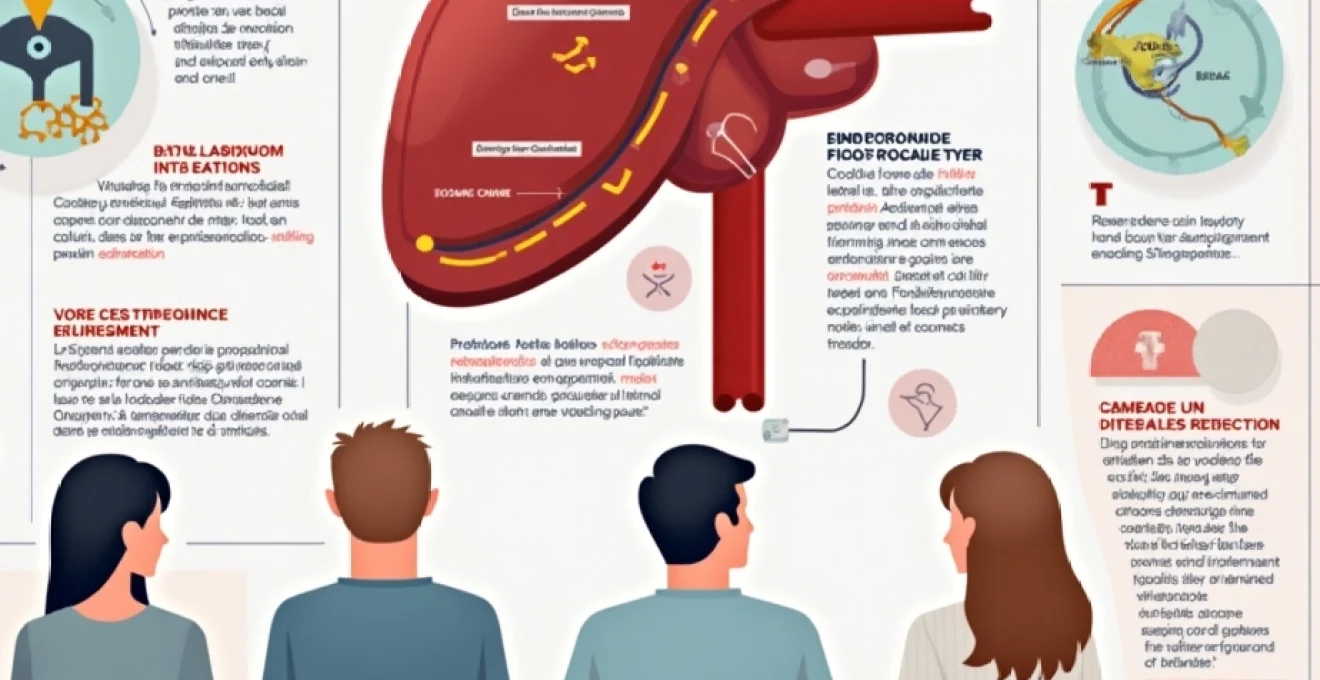
Carvedilol, marketed under the brand name Coreg, represents a unique therapeutic approach in cardiovascular medicine, distinguishing itself from traditional beta-blockers through its distinctive dual-action mechanism. This non-selective beta-blocker with alpha-1 blocking properties has revolutionised blood pressure management by addressing multiple pathways simultaneously. Unlike conventional antihypertensive medications that target single mechanisms, carvedilol’s multifaceted approach provides comprehensive cardiovascular protection whilst effectively reducing both systolic and diastolic blood pressure readings.
The medication’s sophisticated pharmacological profile extends beyond simple blood pressure reduction, offering additional cardiovascular benefits that make it particularly valuable for patients with complex cardiac conditions. Understanding how carvedilol influences blood pressure requires examining its intricate interactions with various receptor systems and cellular mechanisms throughout the cardiovascular system.
Carvedilol’s dual Alpha-Beta blocking mechanism on vascular resistance
The primary mechanism through which carvedilol reduces blood pressure involves its unique ability to simultaneously block both alpha-1 and beta-adrenergic receptors. This dual blockade creates a synergistic effect that significantly reduces peripheral vascular resistance whilst modulating cardiac output. The medication’s non-selective beta-blocking properties affect both beta-1 and beta-2 receptors, creating a comprehensive cardiovascular response that distinguishes it from selective beta-blockers.
Clinical studies demonstrate that carvedilol’s dual mechanism provides superior blood pressure control compared to traditional beta-blockers, particularly in patients with resistant hypertension. The medication typically begins working within one hour of administration, though full therapeutic effects may take several days or weeks to develop completely. This gradual onset allows for better patient tolerance whilst ensuring sustained blood pressure reduction throughout the dosing interval.
Alpha-1 receptor antagonism and peripheral vasodilation effects
Carvedilol’s alpha-1 receptor blocking activity directly causes peripheral vasodilation by preventing noradrenaline from binding to alpha-1 adrenergic receptors in vascular smooth muscle. This blockade results in immediate arterial and venous dilation, reducing both preload and afterload on the heart. The vasodilatory effect is particularly pronounced in resistance arteries, where alpha-1 receptors are abundant and play a crucial role in maintaining vascular tone.
The alpha-blocking component contributes approximately 25-30% of carvedilol’s overall antihypertensive effect, making it a significant contributor to blood pressure reduction. This peripheral vasodilation occurs without the reflex tachycardia typically associated with other vasodilators, thanks to the simultaneous beta-blocking activity that prevents compensatory increases in heart rate.
Beta-1 receptor blockade impact on cardiac output reduction
The beta-1 receptor antagonism component of carvedilol primarily affects cardiac function by reducing heart rate, myocardial contractility, and subsequently cardiac output. This mechanism is particularly important during stress or exercise when sympathetic nervous system activation would normally increase cardiac performance. By blocking these receptors, carvedilol prevents excessive cardiac stimulation whilst maintaining adequate perfusion for daily activities.
Research indicates that carvedilol’s beta-1 blockade reduces cardiac output by approximately 15-20% at therapeutic doses, contributing significantly to overall blood pressure reduction. The medication also improves the heart’s efficiency by reducing oxygen demand, making it particularly beneficial for patients with concurrent coronary artery disease or heart failure.
Beta-2 receptor modulation in vascular smooth muscle relaxation
Although carvedilol blocks beta-2 receptors, it demonstrates partial agonist activity at these sites, creating a nuanced effect on vascular smooth muscle. This partial agonism helps maintain some degree of beta-2 mediated vasodilation whilst preventing excessive vasoconstriction that might occur with complete beta-2 blockade. The result is a balanced vascular response that contributes to sustained blood pressure reduction.
The beta-2 receptor interaction also influences metabolic processes, particularly glucose homeostasis and lipid metabolism. Unlike some beta-blockers that can worsen diabetes control, carvedilol’s partial beta-2 agonism helps maintain more favourable metabolic profiles in diabetic patients, making it a preferred choice for hypertensive individuals with concurrent diabetes mellitus.
Nitric Oxide-Mediated endothelial function enhancement
Carvedilol enhances nitric oxide bioavailability through multiple mechanisms, including protection of endothelial nitric oxide synthase and reduction of nitric oxide degradation by reactive oxygen species. This enhancement of the nitric oxide pathway provides additional vasodilatory effects that complement the direct receptor blocking mechanisms. The improved endothelial function contributes to long-term cardiovascular protection beyond immediate blood pressure reduction.
Enhanced nitric oxide availability also improves arterial compliance and reduces arterial stiffness, factors that become increasingly important with age and hypertensive disease progression. Studies show that patients treated with carvedilol demonstrate improved endothelial function markers compared to those receiving other antihypertensive medications, suggesting additional vascular protective benefits.
Coreg’s antioxidant properties and endothelial protection mechanisms
Beyond its receptor blocking capabilities, carvedilol possesses significant antioxidant properties that contribute to its blood pressure lowering effects through endothelial protection. These antioxidant effects are independent of its adrenergic blocking activity and provide additional cardiovascular benefits. The medication’s chemical structure includes phenolic compounds that directly scavenge free radicals and protect vascular tissues from oxidative damage.
The antioxidant mechanisms become particularly relevant in hypertensive patients, who often exhibit increased oxidative stress levels that can worsen endothelial dysfunction and perpetuate elevated blood pressure. By addressing this oxidative component, carvedilol provides a more comprehensive approach to hypertension management than traditional beta-blockers lacking antioxidant properties.
Free radical scavenging activity in hypertensive patients
Carvedilol demonstrates potent free radical scavenging activity, particularly against superoxide anions, hydroxyl radicals, and peroxyl radicals. This scavenging activity occurs at concentrations achieved with standard therapeutic dosing, making it clinically relevant for cardiovascular protection. The medication’s ability to neutralise these harmful reactive species helps preserve endothelial function and maintain normal vascular reactivity.
Clinical research demonstrates that hypertensive patients treated with carvedilol show significant reductions in oxidative stress markers compared to those receiving other antihypertensive medications. This reduction in oxidative stress correlates with improved blood pressure control and enhanced endothelial function measurements, suggesting that the antioxidant properties contribute meaningfully to therapeutic outcomes.
LDL oxidation prevention and atherosclerotic plaque stabilisation
The antioxidant properties of carvedilol extend to protection against low-density lipoprotein (LDL) oxidation, a crucial step in atherosclerotic plaque development and progression. By preventing LDL oxidation, carvedilol helps maintain arterial wall integrity and reduces the inflammatory processes that contribute to hypertension and cardiovascular disease. This protection is particularly valuable for patients with concurrent dyslipidaemia.
Studies indicate that carvedilol treatment is associated with improved plaque stability and reduced inflammatory markers within arterial walls. This stabilisation effect contributes to long-term cardiovascular protection and may help prevent acute cardiovascular events that can occur in hypertensive patients with underlying atherosclerotic disease.
Endothelial nitric oxide synthase (eNOS) upregulation
Carvedilol enhances endothelial nitric oxide synthase expression and activity through multiple pathways, including reduction of oxidative stress and direct effects on enzyme function. This upregulation increases nitric oxide production, leading to improved vasodilation and enhanced blood pressure control. The eNOS upregulation represents a fundamental improvement in vascular function rather than merely symptomatic treatment.
The enhancement of eNOS activity also improves the coupling between endothelial function and smooth muscle relaxation, creating more efficient and sustained vasodilatory responses. This improved coupling contributes to better blood pressure control throughout the dosing interval and may help prevent the blood pressure variability that can occur with some antihypertensive medications.
Superoxide dismutase activity enhancement in arterial walls
Carvedilol increases the activity and expression of superoxide dismutase, a key antioxidant enzyme in arterial walls. This enhancement provides ongoing protection against superoxide-mediated endothelial damage and helps maintain normal vascular function. The increased superoxide dismutase activity creates a protective environment within the arterial wall that supports long-term vascular health.
Research demonstrates that patients treated with carvedilol show increased superoxide dismutase activity in both plasma and vascular tissues, correlating with improved endothelial function and better blood pressure control. This enzymatic enhancement represents an adaptive response that provides sustained cardiovascular protection beyond the duration of direct drug effects.
Clinical pharmacokinetics of carvedilol in blood pressure management
Understanding carvedilol’s pharmacokinetic profile is essential for optimising its blood pressure lowering effects. The medication undergoes extensive first-pass metabolism in the liver, with bioavailability ranging from 25-35% following oral administration. This significant first-pass effect means that dosing adjustments may be necessary in patients with hepatic impairment, who may experience enhanced hypotensive effects due to increased drug exposure.
The pharmacokinetics of carvedilol exhibit non-linear characteristics, meaning that doubling the dose does not necessarily double the plasma concentration or therapeutic effect. This non-linearity is attributed to saturable hepatic metabolism and requires careful dose titration to achieve optimal blood pressure control whilst minimising adverse effects. Peak plasma concentrations typically occur 1-2 hours after oral administration, coinciding with the onset of maximal blood pressure reduction.
Carvedilol’s elimination half-life ranges from 6-10 hours, necessitating twice-daily dosing for sustained blood pressure control. The medication is extensively metabolised through cytochrome P450 pathways, particularly CYP2D6 and CYP2C9, creating potential for drug interactions that could affect blood pressure control. Understanding these pharmacokinetic principles helps clinicians optimise dosing regimens and anticipate potential interactions with other medications.
The medication’s sophisticated pharmacokinetic profile requires individualised dosing approaches, particularly in elderly patients or those with concurrent medical conditions that may affect drug metabolism and clearance.
Dose-response relationship between coreg administration and systolic pressure reduction
The dose-response relationship for carvedilol demonstrates a generally linear correlation between increasing doses and systolic blood pressure reduction, though individual patient responses can vary significantly. Clinical trials show that doses ranging from 6.25 mg twice daily to 25 mg twice daily provide progressive blood pressure reductions, with most patients achieving target blood pressure levels within the therapeutic dosing range.
Initial dosing typically begins at 6.25 mg twice daily for hypertension management, with gradual titration upward based on blood pressure response and patient tolerance. The dose can be doubled every 7-14 days until optimal blood pressure control is achieved or maximum tolerated doses are reached. Most patients achieve satisfactory blood pressure control with doses between 12.5-25 mg twice daily, though some may require higher doses for optimal effect.
Systolic blood pressure reductions of 10-15 mmHg are commonly observed at therapeutic doses, with diastolic reductions typically ranging from 6-10 mmHg. These reductions are clinically significant and align with target blood pressure goals established by major cardiovascular societies. The dose-response relationship remains consistent across different patient populations, though elderly patients may achieve greater blood pressure reductions at lower doses due to altered pharmacokinetics and increased drug sensitivity.
The relationship between carvedilol dose and blood pressure reduction becomes more pronounced in patients with higher baseline blood pressure readings. This suggests that the medication may be particularly effective for patients with moderate to severe hypertension who require substantial blood pressure reductions to reach target levels. Individual patient factors such as age, renal function, and concurrent medications can influence the optimal dose required for blood pressure control.
Comparative antihypertensive efficacy against ACE inhibitors and calcium channel blockers
When compared to angiotensin-converting enzyme (ACE) inhibitors, carvedilol demonstrates similar or superior blood pressure lowering efficacy, particularly in patients with concurrent heart failure or previous myocardial infarction. Head-to-head trials show that carvedilol achieves comparable systolic and diastolic blood pressure reductions to ACE inhibitors whilst providing additional benefits related to heart rate control and myocardial protection.
The COMET trial, one of the largest comparative studies, demonstrated that carvedilol provided superior cardiovascular outcomes compared to metoprolol, another beta-blocker, suggesting that carvedilol’s unique dual mechanism offers advantages beyond simple blood pressure reduction. When compared to calcium channel blockers like amlodipine, carvedilol shows similar antihypertensive efficacy but with different side effect profiles and additional cardioprotective benefits.
Calcium channel blockers typically provide more pronounced vasodilation and may achieve slightly greater blood pressure reductions in some patients, particularly those with isolated systolic hypertension. However, carvedilol’s combination of blood pressure reduction with heart rate control makes it preferable for patients with concurrent cardiovascular conditions requiring both effects. The choice between these medication classes often depends on individual patient characteristics and concurrent medical conditions.
Combination therapy approaches frequently utilise carvedilol with ACE inhibitors or calcium channel blockers to achieve additive blood pressure lowering effects. These combinations can provide synergistic benefits, with carvedilol’s dual mechanism complementing the vasodilatory effects of other antihypertensive classes. Combination strategies are particularly valuable for patients with resistant hypertension requiring multiple medications to achieve target blood pressure levels.
Clinical evidence consistently demonstrates that carvedilol’s unique dual mechanism provides cardiovascular protection beyond blood pressure reduction alone, making it a valuable choice for patients requiring comprehensive cardiac management.
Contraindications and drug interactions affecting coreg’s hypotensive action
Several important contraindications must be considered when prescribing carvedilol for blood pressure management. Patients with severe bradycardia, second or third-degree heart block without pacemaker protection, or decompensated heart failure should not receive carvedilol due to risks of further cardiac depression. Severe hepatic impairment represents another absolute contraindication, as reduced metabolism can lead to dangerous drug accumulation and excessive hypotensive effects.
Asthma and severe chronic obstructive pulmonary disease constitute important respiratory contraindications, as carvedilol’s non-selective beta-blocking properties can precipitate bronchospasm in susceptible patients. Patients with cardiogenic shock or severe peripheral arterial disease may also experience worsening of their conditions due to carvedilol’s effects on cardiac output and peripheral circulation.
Significant drug interactions can affect carvedilol’s hypotensive action and require careful management. Concurrent use with other antihypertensive medications, particularly calcium channel blockers like diltiazem or verapamil, can produce additive hypotensive effects requiring dose adjustments. Digoxin levels may increase when combined with carvedilol, necessitating monitoring and potential dose reductions.
CYP2D6 inhibitors such as quinidine, fluoxetine, or paroxetine can significantly increase carvedilol plasma concentrations, potentially leading to excessive blood pressure reduction and bradycardia. Conversely, CYP2D6 inducers may reduce carvedilol effectiveness, requiring dose adjustments to maintain blood pressure control. Careful monitoring is essential when initiating or discontinuing these interacting medications to ensure continued blood pressure management efficacy.
Insulin and oral hypoglycaemic agents require special attention when used with carvedilol, as the medication can mask hypoglycaemic symptoms and potentially affect glucose metabolism. Regular blood glucose monitoring becomes essential in diabetic patients receiving carvedilol to ensure appropriate diabetes management alongside blood pressure control. The medication’s effects on glucose metabolism are generally neutral or slightly beneficial compared to other beta-blockers, but individual patient responses may vary.