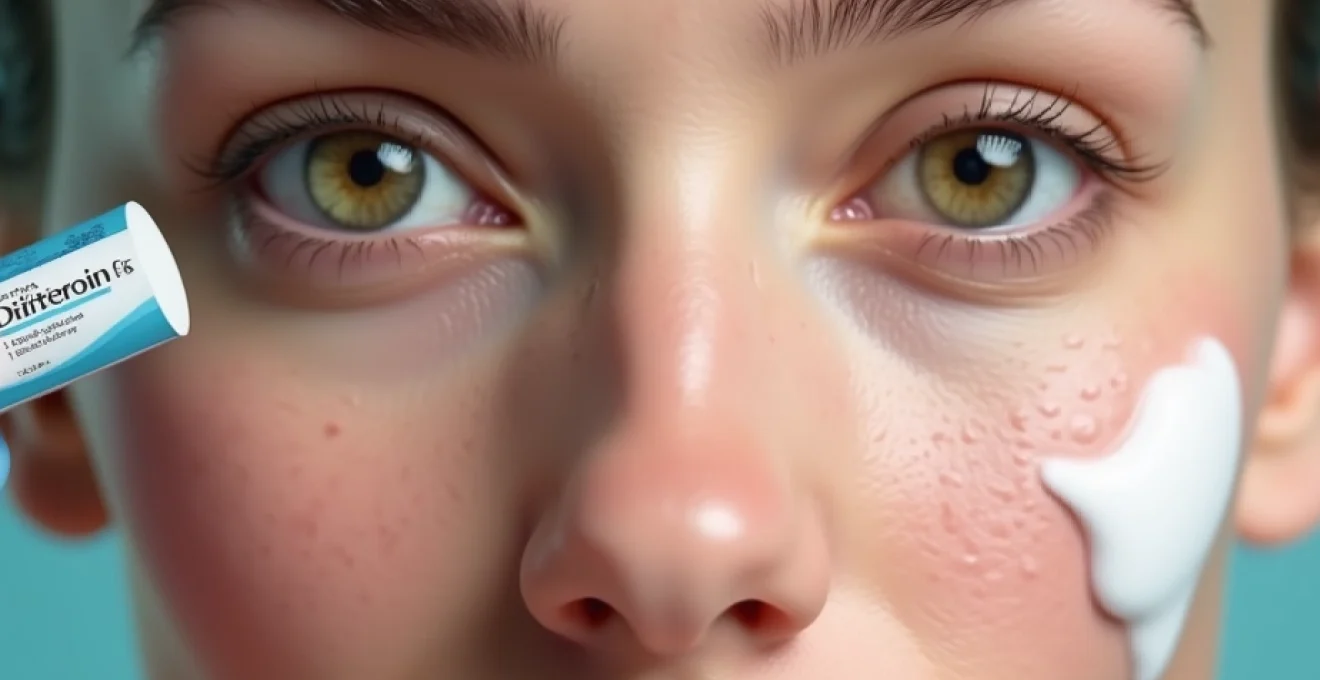
Acne treatment with Differin represents a significant advancement in dermatological care, offering patients access to prescription-strength retinoid therapy without requiring a doctor’s visit. Understanding the timeline for Differin’s effectiveness is crucial for maintaining realistic expectations and ensuring treatment compliance. Unlike quick-fix solutions that promise overnight results, Differin works through a scientifically-backed mechanism that requires patience and consistency to achieve optimal outcomes.
The active ingredient adapalene transforms your skin’s cellular renewal process, addressing acne at its source rather than merely treating surface symptoms. This comprehensive approach means that visible improvements occur gradually, with most patients experiencing significant results within 8-12 weeks of consistent use. Clinical studies demonstrate that up to 87% of users report substantial acne reduction after three months of regular application, making it one of the most effective over-the-counter acne treatments available today.
Differin’s active ingredient adapalene and cellular turnover mechanisms
Adapalene, the powerhouse behind Differin’s effectiveness, belongs to the third-generation retinoid family and represents a sophisticated approach to acne treatment. This vitamin A derivative works by binding to specific nuclear retinoic acid receptors in skin cells, initiating a cascade of cellular events that fundamentally alter how your skin behaves. Unlike first-generation retinoids that can cause significant irritation, adapalene’s molecular structure allows for targeted action with reduced side effects.
Adapalene 0.1% gel formulation and retinoid receptor binding
The 0.1% concentration of adapalene in Differin gel represents the optimal balance between efficacy and tolerability. When applied to the skin, adapalene molecules penetrate the stratum corneum and bind selectively to retinoid receptors within keratinocytes. This selective binding triggers gene expression changes that influence cell proliferation and differentiation patterns. The gel formulation enhances penetration whilst maintaining stability, ensuring that the active ingredient reaches its target receptors effectively.
Research indicates that adapalene’s receptor selectivity contributes to its superior tolerability profile compared to tretinoin. The molecular design allows for precise targeting of acne-related pathways whilst minimising interference with healthy skin processes. This selectivity explains why many patients experience fewer initial side effects when starting Differin compared to other retinoid treatments.
Keratinocyte differentiation and comedone formation prevention
The primary mechanism through which adapalene prevents acne involves normalising keratinocyte differentiation within hair follicles. In acne-prone skin, abnormal keratinisation leads to the formation of microcomedones, which serve as the foundation for all acne lesions. Adapalene interrupts this process by promoting proper cellular turnover and preventing the sticky hyperkeratinisation that clogs pores.
Normal skin cell turnover occurs approximately every 28 days, but in acne-prone individuals, this process becomes disrupted. Adapalene restores this natural rhythm, encouraging dead skin cells to shed properly rather than accumulating within follicles. This action effectively prevents new comedones from forming whilst helping to clear existing blockages through enhanced exfoliation.
Anti-inflammatory properties through toll-like receptor modulation
Beyond its comedolytic effects, adapalene demonstrates significant anti-inflammatory properties that contribute to its therapeutic success. The compound modulates toll-like receptor signalling pathways, reducing the inflammatory cascade triggered by Propionibacterium acnes bacteria. This dual action addresses both the mechanical obstruction and inflammatory component of acne lesions.
Studies reveal that adapalene’s anti-inflammatory effects become apparent within the first few weeks of treatment, often before visible improvements in comedone formation occur. This early inflammatory control helps minimise the severity of purging reactions and contributes to overall treatment tolerability. The anti-inflammatory action also plays a crucial role in preventing post-inflammatory hyperpigmentation, a common concern for many acne sufferers.
Comparative analysis with tretinoin and tazarotene efficacy timelines
When comparing adapalene to other topical retinoids, several key differences emerge in both efficacy timelines and side effect profiles. Tretinoin, the gold standard retinoid, typically requires 12-16 weeks to achieve maximum benefits, with significant purging often occurring in the first month. Tazarotene, whilst highly effective, frequently causes substantial irritation that can delay treatment progress.
Adapalene’s unique advantage lies in its balanced approach to efficacy and tolerability. Clinical trials demonstrate that adapalene achieves comparable results to tretinoin but with a more predictable timeline and reduced irritation. Most patients begin noticing improvements between weeks 4-6, with substantial clearing evident by week 12. This consistent timeline makes treatment planning more straightforward and helps maintain patient compliance.
Clinical timeline expectations for differin treatment response
Understanding the typical progression of Differin treatment helps set realistic expectations and prevents premature discontinuation. The treatment timeline follows a predictable pattern, though individual variations occur based on acne severity, skin type, and application consistency. Clinical studies consistently demonstrate that patience during the initial weeks correlates strongly with long-term treatment success.
Initial purging phase: week 2-6 inflammatory response
The purging phase represents one of the most challenging aspects of Differin therapy, occurring as deeper comedones surface more rapidly than usual. This temporary worsening typically begins around week 2-3 and may continue through week 6, depending on the extent of underlying comedonal acne. During this period, patients often experience an increase in inflammatory lesions as pre-existing microcomedones mature and become visible.
Distinguishing between normal purging and adverse reactions is crucial for treatment success. Genuine purging occurs in areas where you typically develop acne, whilst true allergic reactions or unsuitable products cause breakouts in previously clear areas. The purging process, whilst uncomfortable, indicates that the treatment is working effectively to clear accumulated debris from follicles.
The purging phase typically occurs during the first few weeks of treatment as deeper skin blockages surface, before improvement begins.
Managing expectations during the purging phase significantly impacts treatment adherence. Patients who understand this temporary worsening as a necessary step towards clearer skin are more likely to continue treatment through this challenging period. Dermatologists often recommend starting with alternate-day application during the first few weeks to minimise the severity of purging reactions.
Gradual improvement markers: week 6-12 comedone reduction
Following the initial purging phase, most patients begin noticing subtle improvements in their skin’s texture and overall appearance. The first positive changes typically involve a reduction in comedone formation, with fewer new blackheads and whiteheads developing. This improvement reflects adapalene’s success in normalising follicular keratinisation and preventing pore blockages.
During weeks 6-12, inflammatory lesions gradually decrease in both frequency and severity. Existing pustules and papules resolve more quickly, and the overall inflammatory burden of the skin diminishes. Many patients report that their skin feels smoother and appears more refined, even if significant acne lesions remain present.
The gradual nature of improvement during this phase requires careful observation and documentation. Weekly progress photos can help patients recognise subtle changes that might otherwise go unnoticed. This visual documentation proves particularly valuable during periods when improvement seems to plateau, providing motivation to continue consistent application.
Optimal results achievement: month 3-6 acne lesion clearance
The most dramatic improvements typically occur between months 3-6 of consistent Differin use. Clinical studies reveal that 87% of patients achieve significant acne reduction by week 12, with continued improvement extending through month 6. This extended timeline reflects the time required for complete follicular renewal and establishment of normalised cellular turnover patterns.
During this phase, patients often experience their clearest skin since adolescence, with substantial reductions in both comedonal and inflammatory acne. The skin’s texture continues improving, with decreased pore appearance and enhanced overall radiance. Many individuals find that their skin requires less concealer and makeup to achieve their desired appearance.
Optimal results depend on consistent daily application throughout this period. Treatment interruptions or inconsistent use can significantly delay progress and may necessitate restarting the improvement timeline. The cumulative effects of adapalene mean that consistent use builds upon previous progress, making regularity crucial for achieving maximum benefits.
Long-term maintenance therapy benefits beyond six months
Long-term Differin use provides ongoing benefits that extend beyond initial acne clearance. Continued application maintains the normalised cellular turnover patterns established during the initial treatment phase, preventing the return of comedonal acne. Many dermatologists recommend indefinite maintenance therapy to preserve treatment gains and prevent acne recurrence.
Beyond acne control, long-term adapalene use contributes to improved skin texture, reduced appearance of enlarged pores, and enhanced overall skin quality. Some patients report mild improvements in fine lines and skin tone, though these effects develop slowly over months to years of consistent use. The anti-inflammatory properties of adapalene continue providing benefits for overall skin health throughout extended treatment periods.
Factors influencing differin’s treatment duration and effectiveness
Multiple variables affect how quickly Differin produces visible results, with some factors being modifiable through patient behaviour and others representing inherent characteristics. Understanding these influences helps optimise treatment outcomes and provides insight into why individual experiences may vary significantly. Baseline acne severity represents one of the strongest predictors of treatment timeline, with mild acne typically responding faster than severe inflammatory conditions.
Skin type and ethnic background influence both treatment response and side effect profiles. Individuals with oily skin often experience faster initial improvements due to better product absorption, whilst those with sensitive or dry skin may require longer adjustment periods. Darker skin tones may show more pronounced improvements in post-inflammatory hyperpigmentation, though this benefit develops gradually over several months.
Age-related factors also impact treatment response, with younger patients typically experiencing faster improvement due to more active cellular turnover. However, adult acne often responds well to Differin, though the timeline may extend beyond the standard 12-week period. Hormonal influences, particularly in women, can affect treatment consistency and may require coordination with hormonal therapies for optimal results.
Concurrent skincare product use significantly impacts Differin’s effectiveness and tolerance. Products containing alcohol, fragrances, or harsh exfoliants can increase irritation and delay improvement. Conversely, appropriate moisturisers and gentle cleansers support treatment success by maintaining skin barrier function. The timing of application and proper technique also influence absorption and effectiveness, with evening application after gentle cleansing proving most beneficial.
Dermatologist-recommended application protocols for optimal results
Professional dermatologists emphasise that proper application technique significantly influences both treatment success and side effect management. The recommended protocol begins with thorough but gentle cleansing using a mild, non-comedogenic cleanser that removes makeup, sunscreen, and environmental pollutants without over-stripping the skin. Pat-dry technique rather than rubbing helps preserve the skin barrier and reduces irritation potential.
Application timing plays a crucial role in maximising Differin’s effectiveness whilst minimising photosensitivity risks. Evening application allows the medication to work overnight when cellular renewal processes are most active. The skin should be completely dry before application, as damp skin can increase penetration and potentially cause excessive irritation, particularly during the initial treatment weeks.
The quantity and coverage technique require careful attention to achieve optimal results. A thin layer applied to the entire affected area proves more effective than spot-treating individual lesions. Using clean fingertips, gently spread a pea-sized amount across the entire face, avoiding the sensitive eye and lip areas. This comprehensive application addresses both visible acne and microscopic comedones that may not yet be apparent.
Gradual introduction protocols help minimise initial side effects whilst building skin tolerance. Beginning with alternate-day application for the first 2-3 weeks allows the skin to adapt gradually to adapalene’s effects. Professional monitoring during this adjustment period helps identify potential adverse reactions early and allows for protocol modifications if necessary. Once tolerance is established, daily application provides optimal therapeutic benefits.
The layering sequence with other skincare products requires strategic planning to avoid interactions that might reduce effectiveness or increase irritation. Adapalene should be applied to clean, dry skin before any other treatments or moisturisers. Allow 10-15 minutes for absorption before applying moisturiser, and always use broad-spectrum sunscreen during daytime hours due to increased photosensitivity.
Common timeline misconceptions and patient compliance issues
One of the most prevalent misconceptions surrounding Differin treatment involves expecting immediate results similar to over-the-counter spot treatments. This unrealistic expectation leads many patients to discontinue treatment prematurely, often during the challenging purging phase when the skin appears worse before improving. Education about realistic timelines proves crucial for maintaining treatment adherence and achieving successful outcomes.
Social media influence and marketing claims from other acne products create unrealistic expectations about rapid improvement. Patients frequently compare Differin’s gradual approach to products promising overnight results, not understanding that sustainable acne treatment requires time for fundamental cellular changes. This comparison often leads to frustration and treatment abandonment just weeks before significant improvement would typically begin.
Another common misconception involves the belief that increasing application frequency will accelerate results. Some patients apply Differin twice daily or use larger quantities, thinking this will speed improvement. In reality, excessive application typically increases irritation without enhancing efficacy, potentially leading to treatment discontinuation due to intolerable side effects.
Compliance issues often stem from inadequate preparation for the adjustment period and lack of understanding about normal treatment progression. Many patients discontinue treatment during the purging phase, interpreting the temporary worsening as treatment failure. Comprehensive education about expected timelines and regular check-ins during the first few months significantly improve treatment adherence and success rates.
Most users see initial results within 1-3 weeks, but full benefits require consistent use for 8-12 weeks.
Seasonal factors and lifestyle changes can also impact compliance and treatment perception. Students often start treatment before important events or during stressful periods, when skin sensitivity and hormonal fluctuations may interfere with normal progression. Planning treatment initiation during stable periods with minimal social obligations helps maintain consistency during the challenging initial weeks.
The importance of photographic documentation cannot be overstated in combating timeline misconceptions. Weekly progress photos provide objective evidence of improvement that may not be apparent to patients examining their skin daily. This documentation helps maintain motivation during plateau periods and provides valuable feedback for adjusting treatment protocols when necessary.