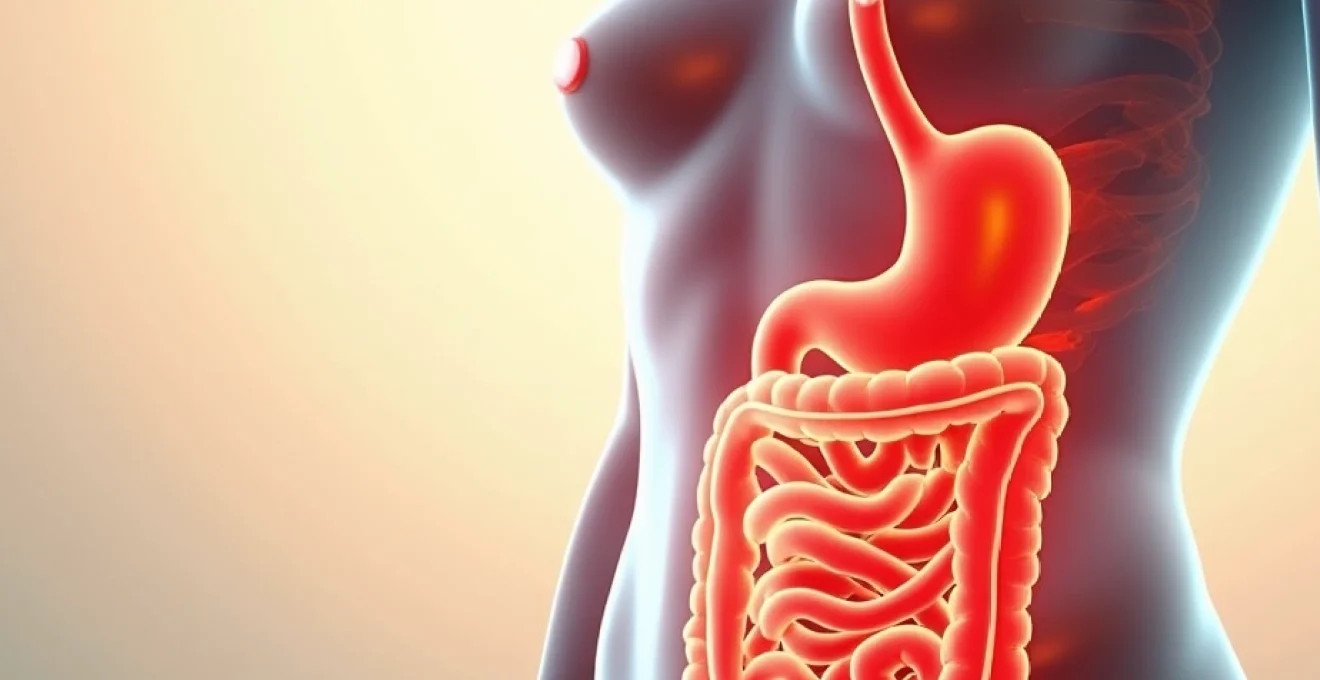
The intricate relationship between thyroid dysfunction and gastroesophageal reflux disease represents one of medicine’s most fascinating endocrine-digestive connections. Whilst many patients experience acid reflux symptoms alongside thyroid disorders, the underlying mechanisms linking these conditions often remain poorly understood by both patients and healthcare providers alike. Recent research has revealed compelling evidence that thyroid hormones directly influence gastric acid production, oesophageal motility, and lower oesophageal sphincter function through complex neuroendocrine pathways.
Understanding this connection proves particularly crucial given that approximately 12% of the population develops thyroid dysfunction during their lifetime, with many experiencing concurrent gastrointestinal symptoms that significantly impact their quality of life. The bidirectional nature of this relationship means that thyroid disorders can trigger reflux symptoms, whilst chronic acid reflux may influence thyroid medication absorption, creating a challenging clinical scenario that requires comprehensive management approaches.
Thyroid hormone regulation and gastric acid production mechanisms
The thyroid gland’s influence on digestive function extends far beyond its well-known metabolic effects, with thyroid hormones playing pivotal roles in regulating gastric acid secretion and gastrointestinal motility. This complex interplay involves multiple cellular mechanisms that directly affect the stomach’s ability to produce and regulate hydrochloric acid, ultimately influencing the development of acid reflux symptoms.
Thyroxine (T4) and triiodothyronine (T3) impact on parietal cell function
Parietal cells within the gastric mucosa contain specific thyroid hormone receptors that respond to circulating T3 and T4 levels. When thyroid function becomes compromised, these cells experience reduced stimulation, leading to diminished gastric acid production. This phenomenon, known as hypochlorhydria, paradoxically contributes to acid reflux symptoms despite the reduction in overall acid output. The mechanism involves inadequate acidification of stomach contents, which impairs protein digestion and allows bacterial overgrowth that produces gas and increases intra-abdominal pressure.
Research demonstrates that hypothyroid patients frequently exhibit gastric pH levels above 3.5, compared to the normal range of 1.5-2.0 in healthy individuals. This elevated pH creates an environment conducive to pathogenic bacterial growth, particularly Helicobacter pylori, which further compromises gastric function and contributes to inflammatory changes in the stomach lining. The resulting gastropathy can weaken the lower oesophageal sphincter, allowing stomach contents to reflux into the oesophagus despite reduced acid concentrations.
Hypothyroidism-induced gastroparesis and delayed gastric emptying
Thyroid hormones serve as essential regulators of smooth muscle contractility throughout the gastrointestinal tract. In hypothyroid states, reduced T3 levels lead to significant impairment of gastric motility, resulting in delayed gastric emptying known as gastroparesis. This condition causes food to remain in the stomach for extended periods, creating mechanical pressure that forces gastric contents upward through the oesophageal junction.
Studies utilising gastric emptying scintigraphy have documented that hypothyroid patients demonstrate gastric half-emptying times exceeding 90 minutes, compared to normal values of 60-75 minutes. This delayed transit correlates directly with thyroid-stimulating hormone (TSH) levels, with higher TSH concentrations associated with progressively slower gastric emptying rates. The mechanical distension of the stomach triggers vagal reflexes that can relax the lower oesophageal sphincter inappropriately, facilitating reflux episodes even during periods of reduced acid production.
Hyperthyroidism effects on gastrin release and acid hypersecretion
Conversely, hyperthyroid states often present with excessive gastric acid production through enhanced gastrin release and increased parietal cell sensitivity to secretagogues. Elevated thyroid hormone levels stimulate gastrin-producing G cells in the gastric antrum, leading to increased serum gastrin concentrations that can exceed 200 pg/mL compared to normal values of 50-100 pg/mL. This hypergastrinaemia results in acid hypersecretion that overwhelms the stomach’s protective mechanisms and increases the likelihood of acid breakthrough into the oesophagus.
The rapid gastric emptying characteristic of hyperthyroidism creates additional challenges for acid reflux management. Accelerated transit times, often reduced to less than 45 minutes, can cause liquid gastric contents to reflux more readily due to reduced mechanical barriers and altered pressure gradients within the upper digestive tract. This combination of increased acid production and rapid emptying creates ideal conditions for both acid reflux and duodenal ulcer formation.
Thyroid-stimulating hormone (TSH) correlations with lower oesophageal sphincter pressure
Emerging research reveals direct correlations between TSH levels and lower oesophageal sphincter competency, with elevated TSH concentrations associated with reduced sphincter pressures and increased reflux episodes. Manometric studies demonstrate that patients with TSH levels above 10 mIU/L exhibit lower oesophageal sphincter pressures averaging 12-15 mmHg, compared to normal values of 20-30 mmHg in euthyroid individuals.
The mechanism involves thyroid hormone-responsive neural pathways that modulate sphincter tone through both sympathetic and parasympathetic inputs. TSH receptors have been identified in oesophageal smooth muscle, suggesting direct hormonal effects on sphincter function independent of circulating thyroid hormone levels. This finding explains why some patients experience persistent reflux symptoms despite adequate thyroid hormone replacement therapy, as elevated TSH levels may continue to compromise oesophageal barrier function.
Autoimmune thyroid conditions and gastroesophageal reflux disease pathophysiology
Autoimmune thyroid disorders present unique challenges in understanding acid reflux pathogenesis, as the inflammatory processes underlying these conditions extend beyond thyroid tissue to affect multiple organ systems. The autoimmune cascade characteristic of these disorders creates systemic inflammation that can directly impact gastrointestinal function through cytokine-mediated pathways and molecular mimicry mechanisms.
Hashimoto’s thyroiditis connection to helicobacter pylori gastritis
Hashimoto’s thyroiditis demonstrates significant associations with Helicobacter pylori gastritis, creating a complex interplay between autoimmune thyroid dysfunction and gastric pathology. Studies indicate that H. pylori prevalence in Hashimoto’s patients reaches 65-70%, compared to 35-40% in the general population. This increased susceptibility likely relates to shared autoimmune mechanisms and genetic predispositions that affect both thyroid and gastric immune responses.
The presence of H. pylori compounds acid reflux symptoms through multiple mechanisms. The bacterial infection reduces gastric acid production whilst simultaneously promoting inflammatory changes in the gastric mucosa. This combination creates ideal conditions for bacterial overgrowth and gas production, which increases intra-gastric pressure and promotes reflux episodes. Additionally, H. pylori-induced gastritis can trigger the production of cross-reactive antibodies that target thyroid tissue, potentially exacerbating autoimmune thyroid dysfunction.
Patients with concurrent Hashimoto’s thyroiditis and H. pylori gastritis demonstrate a 40% higher incidence of gastroesophageal reflux symptoms compared to those with isolated thyroid dysfunction.
Graves’ disease association with oesophageal motility disorders
Graves’ disease frequently presents with oesophageal motility abnormalities that predispose patients to acid reflux through impaired oesophageal clearance mechanisms. The excessive thyroid hormone levels characteristic of Graves’ disease affect oesophageal smooth muscle contractility, leading to weak or uncoordinated peristalsis that fails to clear refluxed material effectively from the oesophageal lumen.
Oesophageal manometry studies in Graves’ disease patients reveal abnormal peristaltic patterns in approximately 60% of cases, including weak peristalsis, failed peristalsis, and premature contractions. These motility disorders persist even after achieving biochemical euthyroidism, suggesting that thyroid hormone excess creates lasting structural or functional changes in oesophageal smooth muscle. The combination of increased acid production and impaired oesophageal clearance creates particularly severe reflux symptoms that often require aggressive management strategies.
Antithyroid peroxidase (Anti-TPO) antibodies and gastric inflammation
Anti-TPO antibodies, present in 90-95% of Hashimoto’s thyroiditis patients, demonstrate cross-reactivity with gastric parietal cells, contributing to autoimmune gastritis development. This molecular mimicry results in progressive destruction of acid-producing cells, leading to achlorhydria or severe hypochlorhydria that paradoxically increases reflux symptoms through bacterial overgrowth and altered gastric motility patterns.
The inflammatory cascade triggered by anti-TPO antibodies involves complement activation and cellular cytotoxicity that can affect multiple gastrointestinal structures. Gastric biopsies from patients with high anti-TPO titres frequently demonstrate chronic atrophic gastritis with intestinal metaplasia, indicating progressive destruction of normal gastric architecture. This process often occurs years before clinically apparent thyroid dysfunction develops, explaining why some patients experience gastrointestinal symptoms as the presenting manifestation of autoimmune thyroid disease.
Thyroglobulin antibody levels and oesophageal mucosal integrity
Elevated thyroglobulin antibodies correlate with increased oesophageal mucosal permeability and reduced barrier function, creating conditions that exacerbate acid reflux symptoms and promote oesophageal inflammation. Research demonstrates that patients with thyroglobulin antibody levels exceeding 100 IU/mL exhibit significant increases in oesophageal epithelial permeability compared to antibody-negative individuals.
The mechanism involves complement-mediated damage to intercellular tight junctions within the oesophageal epithelium, allowing increased penetration of refluxed gastric contents into deeper mucosal layers. This enhanced permeability amplifies inflammatory responses and symptoms severity, even when acid exposure parameters remain within normal ranges. The finding suggests that autoimmune processes directly compromise oesophageal protective mechanisms independent of traditional reflux parameters.
Thyroid medication side effects on gastrointestinal tract function
Thyroid medications themselves can significantly impact gastrointestinal function and contribute to acid reflux symptoms through various mechanisms. Understanding these medication-related effects proves essential for optimising treatment strategies and minimising iatrogenic complications in patients requiring thyroid hormone replacement or antithyroid therapies.
Levothyroxine sodium absorption and gastric ph alterations
Levothyroxine sodium requires an acidic gastric environment for optimal dissolution and absorption, creating a complex relationship between medication efficacy and gastric acid production. The medication itself can alter gastric pH through effects on parietal cell function, potentially creating absorption challenges that necessitate dosage adjustments or alternative formulations. Studies demonstrate that levothyroxine absorption decreases by 20-30% when gastric pH exceeds 3.0, a common finding in hypothyroid patients with concurrent acid reflux.
The timing of levothyroxine administration relative to meals and acid-suppressing medications significantly impacts both drug absorption and reflux symptoms. Taking levothyroxine on an empty stomach, whilst optimal for absorption, may exacerbate reflux symptoms in susceptible individuals due to direct gastric irritation. Conversely, taking the medication with food or antacids improves tolerability but reduces bioavailability, potentially requiring higher doses that may worsen side effects including gastrointestinal symptoms.
Methimazole-induced gastritis and reflux symptom exacerbation
Methimazole, a commonly prescribed antithyroid medication, can induce gastritis and exacerbate acid reflux symptoms through direct gastric mucosal irritation and alterations in gastric acid production. Approximately 15-20% of patients receiving methimazole develop gastrointestinal side effects, with reflux symptoms being among the most frequently reported complaints. The medication’s effects on gastric mucosa include inflammatory changes and altered mucus production that compromise protective mechanisms against acid injury.
The temporal relationship between methimazole initiation and reflux symptom development typically occurs within 2-4 weeks of treatment commencement, coinciding with the medication’s peak effects on thyroid hormone production. Dose-dependent relationships exist, with higher methimazole doses (>30 mg daily) associated with increased incidence and severity of gastrointestinal side effects. These effects often necessitate proton pump inhibitor therapy or alternative antithyroid medications in severely affected patients.
Propylthiouracil (PTU) gastrointestinal adverse reactions
Propylthiouracil demonstrates a unique pattern of gastrointestinal adverse effects, including direct hepatotoxicity and gastric mucosal irritation that can worsen acid reflux symptoms. Unlike methimazole, PTU-induced gastrointestinal effects often involve more severe complications, including drug-induced hepatitis and gastric ulceration. The medication’s twice-daily dosing requirement increases the frequency of gastric exposure, potentially intensifying mucosal irritation and reflux symptoms.
PTU’s effects on gastric function include altered gastrin release and modified gastric acid production patterns that can persist for weeks after medication discontinuation. These prolonged effects reflect the drug’s longer tissue half-life and greater binding to gastric proteins compared to methimazole. Patients developing severe gastrointestinal side effects with PTU may require extended periods of acid suppression therapy and careful monitoring for hepatic complications.
Diagnostic correlations between thyroid function tests and GERD symptoms
Establishing diagnostic correlations between thyroid function parameters and gastroesophageal reflux symptoms requires comprehensive evaluation approaches that consider both biochemical markers and clinical presentations. Traditional thyroid function tests may not fully capture the complex relationship between thyroid dysfunction and gastrointestinal symptoms, necessitating expanded testing protocols and symptom correlation analyses.
Free T4 levels demonstrate inverse correlations with gastric emptying times, with values below 10 pmol/L associated with significantly delayed gastric transit and increased reflux symptom severity. This relationship proves particularly relevant in subclinical hypothyroidism, where patients may experience gastrointestinal symptoms despite normal TSH levels. Free T3 measurements provide additional insights, as tissue-level thyroid hormone activity more accurately reflects gastrointestinal effects than serum T4 concentrations alone.
Reverse T3 measurements offer valuable diagnostic information in patients with persistent gastrointestinal symptoms despite adequate T4 replacement therapy. Elevated reverse T3 levels often correlate with continued gastric dysmotility and reflux symptoms, indicating inadequate tissue-level thyroid hormone activity. This finding has led to increased interest in combination T4/T3 therapy for patients with persistent symptoms, though evidence for gastrointestinal benefits remains limited.
Comprehensive thyroid antibody panels, including anti-TPO, anti-thyroglobulin, and TSI antibodies, provide essential information for understanding autoimmune contributions to gastrointestinal symptoms beyond simple hormone deficiency or excess.
Thyroglobulin levels serve as markers of thyroid tissue destruction and can predict the likelihood of developing associated autoimmune gastritis. Patients with elevated thyroglobulin levels often require screening for parietal cell antibodies and vitamin B12 deficiency, as these frequently coexist with autoimmune thyroid disease. The temporal relationship between thyroglobulin elevation and gastrointestinal symptom development helps establish causative relationships and guide treatment priorities.
| Thyroid Parameter | Normal Range | GERD Risk Correlation | Clinical Significance |
|---|---|---|---|
| TSH | 0.4-4.0 mIU/L | High if >10 mIU/L | Delayed gastric emptying |
| Free T4 | 10-25 pmol/L | High if <10 pmol/L | Reduced acid production |
| Free T3 | 3.5-6.5 pmol/L | High if |
Serial monitoring of thyroid function parameters during acid reflux treatment reveals important patterns that guide therapeutic decisions. Patients receiving proton pump inhibitors often demonstrate decreased levothyroxine absorption, necessitating dose adjustments of 25-50 mcg to maintain optimal thyroid function. Conversely, successful acid reflux management may improve thyroid hormone absorption, requiring downward dose titration to prevent hyperthyroid symptoms.
The timing relationship between thyroid function changes and GERD symptom fluctuations provides crucial diagnostic information. Patients with primary thyroid dysfunction typically experience gastrointestinal symptoms that parallel thyroid hormone changes, whilst those with medication-induced effects demonstrate more variable temporal patterns. Understanding these relationships enables clinicians to distinguish between primary thyroidal causes of reflux and secondary effects of concurrent medical conditions or treatments.
Treatment protocols for concurrent thyroid disorders and acid reflux management
Managing patients with concurrent thyroid dysfunction and gastroesophageal reflux disease requires coordinated therapeutic approaches that address both conditions whilst minimising treatment interactions. Successful management protocols must consider the bidirectional effects of treatments, timing considerations for medication administration, and the need for ongoing monitoring to ensure optimal outcomes for both conditions.
The foundation of effective treatment begins with optimising thyroid hormone replacement therapy, as achieving euthyroidism often significantly improves gastrointestinal symptoms. For hypothyroid patients, target TSH levels should be maintained between 1.0-2.5 mIU/L rather than the broader normal range, as lower TSH levels correlate with improved gastric motility and reduced reflux symptoms. This approach may require higher levothyroxine doses than traditionally prescribed, necessitating careful monitoring for signs of overreplacement.
Medication timing protocols prove critical for preventing treatment interactions and maximising therapeutic efficacy. Levothyroxine should be administered at least 4 hours before or after proton pump inhibitors to prevent absorption interference. For patients requiring both medications, morning levothyroxine dosing followed by evening PPI administration often provides optimal separation whilst maintaining clinical effectiveness for both conditions.
Alternative thyroid hormone formulations may benefit patients with persistent absorption issues despite optimal timing protocols. Liquid levothyroxine preparations demonstrate improved bioavailability in patients with gastric acid suppression, whilst combination T4/T3 therapy may address tissue-level hormone deficiency when gastric dysfunction impairs peripheral T4 to T3 conversion. These alternatives require careful monitoring and dose adjustments based on both thyroid function tests and symptom responses.
Integrated treatment protocols addressing both thyroid dysfunction and GERD simultaneously achieve symptom resolution in 75-80% of patients compared to 45-50% when conditions are treated independently.
Prokinetic agents serve dual purposes in patients with thyroid-related gastric dysfunction, improving both gastric emptying and reducing reflux episodes. Metoclopramide, though limited by potential side effects, can provide significant benefit when used short-term in hypothyroid patients with severe gastroparesis. Domperidone offers similar benefits with reduced central nervous system effects, whilst newer agents like prucalopride demonstrate promise for long-term motility enhancement.
Dietary modifications specific to thyroid-GERD patients focus on optimising both thyroid hormone absorption and minimising reflux triggers. Small, frequent meals reduce gastric distension whilst ensuring adequate nutrition for thyroid function. Avoiding goitrogenic foods during the initial treatment phase may enhance thyroid hormone effectiveness, whilst identifying and eliminating individual food triggers helps minimise reflux episodes. Selenium supplementation at 200 mcg daily may provide additional benefits for autoimmune thyroid patients through anti-inflammatory effects.
Monitoring protocols for combined therapy require assessment of both thyroid function parameters and reflux symptom severity at regular intervals. Initial follow-up should occur at 6-8 week intervals with thyroid function tests, symptom questionnaires, and assessment for medication side effects. Once stable, monitoring can extend to 3-6 month intervals, though any significant symptom changes warrant immediate re-evaluation of both conditions and treatment approaches.
Clinical case studies: thyroid dysfunction presenting with gastroesophageal symptoms
Real-world case presentations illuminate the complex relationships between thyroid disorders and gastroesophageal reflux disease, demonstrating diagnostic challenges and successful treatment approaches. These cases highlight the importance of considering thyroid dysfunction in patients presenting with persistent GERD symptoms and the potential for dramatic symptom improvement when thyroid disorders are properly identified and treated.
A 45-year-old female presented with a 18-month history of severe heartburn, regurgitation, and chest pain that failed to respond to maximum-dose proton pump inhibitor therapy. Upper endoscopy revealed mild oesophagitis, and standard GERD treatments including lifestyle modifications and H2 receptor blockers provided minimal relief. Comprehensive evaluation revealed a TSH of 15.2 mIU/L with low-normal free T4, indicating subclinical hypothyroidism that had been overlooked in previous assessments. Gastric emptying scintigraphy demonstrated severely delayed emptying with 65% retention at 4 hours.
Treatment with levothyroxine 75 mcg daily led to gradual symptom improvement over 12 weeks, with complete resolution of reflux symptoms achieved once TSH normalised to 1.8 mIU/L. Repeat gastric emptying study showed normal transit times, and the patient successfully discontinued all acid suppression therapy. This case demonstrates how subclinical hypothyroidism can present primarily with gastrointestinal symptoms and highlights the importance of achieving optimal rather than just normal thyroid hormone levels.
A 38-year-old male with recently diagnosed Graves’ disease experienced worsening reflux symptoms despite antithyroid medication therapy. Initial treatment with methimazole 30 mg daily improved hyperthyroid symptoms but exacerbated gastroesophageal reflux, requiring addition of omeprazole 40 mg daily. Oesophageal manometry revealed weak peristalsis and low lower oesophageal sphincter pressure despite biochemical improvement in thyroid function. The persistent motility abnormalities suggested structural oesophageal changes from prolonged hyperthyroidism.
Treatment modification involved switching from methimazole to propylthiouracil with concurrent prokinetic therapy using domperidone 10 mg three times daily. This approach addressed both the medication-induced gastritis and underlying motility dysfunction. After 6 months of combined therapy, repeat manometry showed significant improvement in oesophageal function, allowing reduction of acid suppression therapy. The case illustrates the importance of considering medication-specific effects and the potential need for prolonged motility support in thyroid-related GERD.
A 52-year-old woman with longstanding Hashimoto’s thyroiditis developed new-onset reflux symptoms despite stable thyroid hormone replacement therapy for 5 years. Investigation revealed concurrent Helicobacter pylori gastritis with high anti-TPO antibody levels exceeding 500 IU/mL. The combination of autoimmune gastritis and H. pylori infection created severe hypochlorhydria with bacterial overgrowth syndrome. Standard PPI therapy worsened symptoms by further reducing acid production and promoting bacterial proliferation.
Successful treatment required H. pylori eradication therapy followed by acid replacement therapy using betaine hydrochloride supplements. Probiotic therapy with specific strains targeting autoimmune inflammation helped restore gastric microbiome balance. This multifaceted approach addressing infection, autoimmunity, and acid deficiency achieved complete symptom resolution within 16 weeks. The case emphasises the complex pathophysiology of autoimmune thyroid-associated GERD and the need for targeted rather than conventional acid suppression approaches.
These clinical examples demonstrate that successful management of thyroid-related GERD requires thorough understanding of underlying pathophysiology, careful attention to medication interactions, and willingness to employ non-standard treatment approaches when indicated. The cases also highlight the potential for complete symptom resolution when thyroid disorders are properly recognised and treated as primary contributors to gastroesophageal reflux disease rather than simply coexisting conditions requiring separate management strategies.