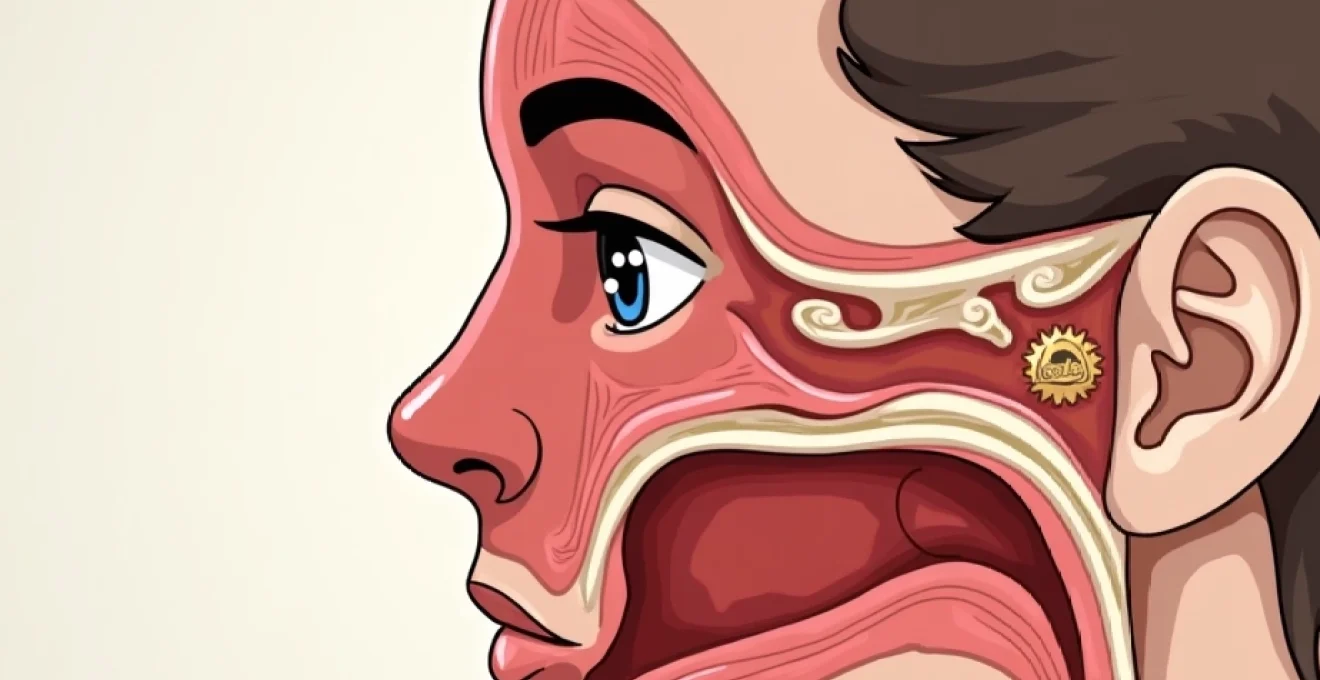
Inner ear muscle spasms represent a complex constellation of neuromuscular disorders affecting the delicate acoustic machinery of the middle ear. These involuntary contractions primarily involve two critical muscles—the tensor tympani and stapedius—which normally function as protective gatekeepers, modulating sound transmission and safeguarding the inner ear from potentially damaging acoustic energy. When these muscles begin to contract erratically or excessively, patients experience a range of distressing symptoms including clicking, fluttering, thumping sensations, and even pain that can significantly impact quality of life. Understanding the intricate mechanisms behind these spasms is essential for both healthcare professionals and patients seeking effective treatment strategies.
Stapedius muscle hypercontractility and tensor tympani syndrome
The stapedius muscle, measuring merely 2-4 millimetres in length, holds the distinction of being the smallest skeletal muscle in the human body. Despite its diminutive size, this muscle plays a pivotal role in auditory protection through the stapedial reflex, which automatically contracts in response to loud sounds exceeding 70-90 decibels. Hypercontractility of this muscle occurs when the normal protective mechanism becomes dysregulated, leading to excessive or inappropriate contractions that generate unwanted acoustic sensations.
Stapedius muscle spasm mechanisms in acoustic reflex dysfunction
The acoustic reflex pathway involves a complex neural circuit beginning with the cochlear nerve, travelling through the cochlear nuclei, and ultimately reaching the facial nerve nucleus that innervates the stapedius muscle. Dysfunction at any point along this pathway can result in aberrant muscle contractions. Research indicates that approximately 6 in 10,000 individuals experience middle ear myoclonus, with stapedius involvement being particularly common in cases following acoustic trauma or stress-related episodes.
The pathophysiology involves several key mechanisms. Neurovascular compression of the facial nerve can create ephaptic transmission, where electrical impulses “jump” between nerve fibres, triggering spontaneous muscle contractions. Additionally, demyelination processes, whether from multiple sclerosis, viral infections, or age-related changes, can disrupt normal nerve conduction patterns and lead to irregular firing patterns.
Tensor tympani myoclonus: pathophysiology and clinical manifestations
Tensor tympani syndrome represents a distinct clinical entity characterised by involuntary contractions of the tensor tympani muscle, which normally tenses the eardrum during loud sounds, chewing, or speaking. This muscle, innervated by a branch of the trigeminal nerve, can become hyperreactive in response to psychological stress, trigeminal nerve irritation, or central sensitisation processes.
Clinical manifestations typically include a characteristic clicking or thumping sound that patients often describe as resembling a “typewriter” or “machine gun” pattern. The contractions may be triggered by specific stimuli such as sudden noises, emotional stress, or even anticipation of sound. Unlike stapedius spasms, tensor tympani contractions often correlate with jaw movement and can be influenced by temporomandibular joint dysfunction.
Middle ear muscle coordination disorders in hyperacusis patients
Hyperacusis, characterised by abnormal sensitivity to everyday sounds, frequently coexists with middle ear muscle spasms in what appears to be a self-perpetuating cycle. Patients with hyperacusis often develop protective muscle hypervigilance , where the tensor tympani and stapedius muscles remain in a state of heightened readiness, contracting at lower thresholds than normal.
This phenomenon occurs because the central auditory processing centres become hypersensitive, interpreting normal environmental sounds as potentially threatening. The resulting muscle spasms can actually worsen hyperacusis by creating internal noise that the brain interprets as additional threatening stimuli, thus reinforcing the protective response pattern.
Tonic tensor veli palatini syndrome and associated muscular imbalances
The tensor veli palatini muscle, while not directly within the middle ear, plays a crucial role in Eustachian tube function and can contribute to inner ear muscle spasms through interconnected neural pathways. This muscle, also innervated by the trigeminal nerve, helps open the Eustachian tube during swallowing and yawning. When it becomes spastic or fails to coordinate properly with middle ear muscles, patients may experience ear fullness, clicking sounds, and pressure sensations.
Tonic tensor veli palatini syndrome often presents alongside tensor tympani dysfunction, creating a complex pattern of symptoms that can include palatal myoclonus, ear clicking, and even referred pain to the temporomandibular joint region. The interconnected nature of these muscles through shared neural pathways means that dysfunction in one area often cascades to affect others.
Neurological triggers of inner ear muscular dysfunction
The neurological basis of inner ear muscle spasms encompasses a broad spectrum of conditions affecting both peripheral and central nervous system components. The intricate neural networks controlling these muscles make them susceptible to various forms of neurological dysfunction, from localised nerve irritation to widespread central sensitisation processes. Understanding these triggers is essential for developing targeted treatment approaches that address the root cause rather than merely managing symptoms.
Trigeminal nerve irritation and tensor tympani activation pathways
The trigeminal nerve, specifically its mandibular division, provides motor innervation to the tensor tympani muscle through the nerve to tensor tympani. Irritation or inflammation of this nerve pathway can result from various causes including dental procedures, trigeminal neuralgia, temporomandibular joint disorders, or even chronic stress-related muscle tension in the jaw region.
Trigeminal nerve irritation creates a phenomenon known as cross-innervation sensitisation , where normally innocuous stimuli such as light touch, temperature changes, or even emotional stress can trigger tensor tympani contractions. This explains why patients often report that their ear spasms worsen during periods of anxiety, after dental work, or when experiencing facial pain. The trigeminal system’s extensive connections throughout the head and neck region mean that dysfunction can manifest in seemingly unrelated areas.
Facial nerve branch disorders affecting stapedius function
The facial nerve’s stapedial branch represents a vulnerable point in the neural pathway controlling the stapedius muscle. This delicate nerve branch can be affected by various conditions including Bell’s palsy, acoustic neuroma, temporal bone fractures, or chronic middle ear infections. When the facial nerve becomes inflamed or compressed, patients may experience either stapedius paralysis or paradoxical hyperactivity.
Facial nerve disorders can create a condition called “recruitment,” where the nerve begins firing inappropriately in response to stimuli that normally wouldn’t trigger the stapedial reflex. This can result in stapedius contractions occurring with facial movements, speaking, or even changes in blood pressure. The close anatomical relationship between the facial nerve and the inner ear structures means that any inflammatory process affecting one area often impacts the other.
Central auditory processing dysfunction and reflex arc disruption
Central auditory processing dysfunction involves abnormalities in how the brain interprets and responds to auditory information, often resulting in altered middle ear muscle reflexes. The central auditory system includes multiple brainstem nuclei, the thalamus, and cortical areas that all contribute to normal acoustic reflex function. When these areas become hyperexcitable or develop abnormal connectivity patterns, inappropriate muscle contractions can occur.
Research suggests that central sensitisation, similar to that seen in chronic pain conditions, can affect auditory processing centres. This results in a lowered threshold for acoustic reflex activation and can cause middle ear muscles to contract in response to sounds that would normally be well below the reflex threshold. The phenomenon is particularly common in individuals with tinnitus, hyperacusis, or following acoustic trauma.
Vestibular Migraine-Associated muscular spasticity mechanisms
Vestibular migraine represents an increasingly recognised condition that can significantly impact middle ear muscle function. The trigemino-cervical complex, which plays a central role in migraine pathophysiology, has extensive connections with auditory processing centres and can trigger inappropriate middle ear muscle contractions during migraine episodes.
During vestibular migraine attacks, patients often experience not only dizziness and headache but also ear-related symptoms including muscle spasms, tinnitus, and hearing changes. The neuroinflammatory cascade associated with migraine can sensitise the trigeminal and facial nerve pathways, making middle ear muscles more susceptible to spastic contractions. This explains why many patients notice their ear symptoms worsen in conjunction with migraine episodes or during periods of increased migraine activity.
Ototoxic medications and Chemical-Induced muscular spasms
Ototoxic medications represent a significant but often overlooked cause of inner ear muscle spasms. These pharmaceutical agents can directly affect the neural pathways controlling middle ear muscles or indirectly influence muscle function through alterations in neurotransmitter balance, electrolyte disturbances, or inflammatory processes. The relationship between medication use and ear muscle spasms is particularly relevant given that many commonly prescribed drugs possess ototoxic properties.
Aminoglycoside antibiotics, including gentamicin and streptomycin, are well-known for their potential to cause cochlear and vestibular damage, but they can also affect the neural control mechanisms for middle ear muscles. Loop diuretics such as furosemide can create electrolyte imbalances that interfere with normal nerve conduction, potentially triggering muscle spasms. Chemotherapy agents, particularly platinum-based compounds like cisplatin, can cause widespread neurotoxicity that includes dysfunction of the cranial nerves controlling middle ear muscles.
Aspirin and other salicylates, when used in high doses, can cause temporary changes in neural excitability that may manifest as ear muscle spasms alongside the more commonly recognised tinnitus. Certain antidepressants, particularly tricyclics, can affect neurotransmitter balance in ways that influence muscle tone and reflex activity. The challenge with medication-induced spasms is that they often develop gradually and may persist even after the offending drug is discontinued, suggesting that some ototoxic effects may cause permanent alterations in neural pathway function.
The temporal relationship between medication initiation and symptom onset provides crucial diagnostic clues, though the delayed nature of some ototoxic effects means that spasms may not appear until weeks or months after starting a potentially problematic medication.
Temporomandibular joint dysfunction and eustachian tube muscular involvement
The intricate anatomical and functional relationships between the temporomandibular joint, surrounding musculature, and the middle ear create multiple pathways through which TMJ dysfunction can contribute to inner ear muscle spasms. The proximity of these structures, combined with shared neural innervation patterns and mechanical interactions, means that problems in one area frequently manifest symptoms in another. This interconnectedness explains why patients with TMJ disorders often experience ear-related symptoms, including muscle spasms, that may initially seem unrelated to their jaw problems.
Lateral pterygoid muscle tension and inner ear pressure changes
The lateral pterygoid muscle, responsible for jaw opening and side-to-side movement, has a unique relationship with middle ear function through its influence on Eustachian tube mechanics. When this muscle becomes chronically tense or develops trigger points, it can affect the normal opening mechanism of the Eustachian tube, leading to pressure changes within the middle ear space that may trigger compensatory muscle spasms.
Chronic lateral pterygoid tension often develops in response to bruxism, clenching habits, or postural abnormalities that place excessive stress on the temporomandibular joint. This muscle tension can create a cascade of effects including altered jaw positioning, changed Eustachian tube angles, and referred neural activity that influences middle ear muscle function. The shared innervation through branches of the trigeminal nerve means that hyperactivity in jaw muscles can directly influence tensor tympani function.
Mylohyoid muscle dysfunction in TMJ-Related otalgia
The mylohyoid muscle forms part of the floor of the mouth and plays a crucial role in swallowing and speech production. Dysfunction of this muscle, often secondary to TMJ disorders or cervical spine problems, can create referred pain patterns that extend to the ear region and may trigger protective muscle spasms in the middle ear. The mylohyoid’s connection to the hyoid bone and its coordination with other muscles involved in swallowing means that dysfunction here can affect the entire swallowing mechanism.
When mylohyoid function becomes impaired, patients may experience difficulty with swallowing coordination, which can affect Eustachian tube opening patterns and create abnormal pressure dynamics within the middle ear. This pressure instability often triggers compensatory contractions of the tensor tympani muscle as the ear attempts to normalise pressure relationships. The result is a pattern of muscle spasms that may seem unrelated to the underlying jaw dysfunction but are actually part of an interconnected compensation pattern.
Levator veli palatini spasticity and eustachian tube dysfunction
The levator veli palatini muscle serves as the primary muscle responsible for elevating the soft palate and opening the Eustachian tube during swallowing and yawning. When this muscle develops spasticity or coordination problems, often secondary to stress, neurological conditions, or chronic inflammation, it can significantly impact middle ear pressure regulation and trigger secondary muscle spasms.
Spasticity of the levator veli palatini can create a situation where the Eustachian tube either fails to open properly or opens inappropriately, leading to chronic pressure imbalances within the middle ear. These pressure changes place stress on the tympanic membrane and middle ear structures, often triggering protective contractions of both the tensor tympani and stapedius muscles. The cyclical nature of this dysfunction means that muscle spasms can worsen Eustachian tube problems, which in turn perpetuates the spasm cycle.
Acoustic trauma and Post-Exposure muscular reactivity patterns
Acoustic trauma represents one of the most significant triggers for developing chronic inner ear muscle spasms, with effects that can persist long after the initial sound exposure has ended. The protective reflexes that normally shield the inner ear from damage can become dysregulated following intense sound exposure, creating a state of persistent hypervigilance where muscles contract inappropriately in response to normal environmental sounds. This phenomenon affects an estimated 15-20% of individuals who experience significant acoustic trauma, though the actual incidence may be higher due to underreporting and misdiagnosis.
The immediate response to acoustic trauma involves intense activation of both the stapedial and tensor tympani reflexes as the ear attempts to protect delicate inner ear structures from damage. However, when sound levels exceed the protective capacity of these reflexes—typically above 130-140 decibels—the muscles themselves can be damaged or their neural control mechanisms can become altered. This damage can manifest as either muscle weakness, where protective reflexes become insufficient, or as hyperreactivity, where muscles contract excessively in response to previously tolerable sounds.
Post-acoustic trauma muscle spasms often develop within days to weeks after the initial exposure and may be triggered by sounds at much lower levels than would normally activate protective reflexes. This acoustic sensitisation appears to involve changes in central auditory processing that lower the threshold for muscle activation. Patients frequently report that sounds which were previously comfortable now trigger uncomfortable muscle contractions, ear pressure, or pain. The psychological impact of acoustic trauma can further exacerbate these physical symptoms, as anxiety and hypervigilance about sound exposure can prime the nervous system to react more strongly to auditory stimuli.
The development of post-traumatic muscle hyperreactivity represents a maladaptive protective response where the ear’s natural defence mechanisms become oversensitive, creating symptoms that can be more disabling than the original acoustic injury.
Treatment of post-acoustic trauma muscle spasms requires a comprehensive approach that addresses both the physical and psychological aspects of the condition. Sound therapy protocols that gradually reintroduce comfortable levels of environmental noise can help recalibrate overactive protective reflexes. Stress management techniques are equally important, as anxiety about sound exposure can maintain and worsen muscle hyperreactivity patterns. In some cases, medications that modulate nerve excitability, such as anticonvulsants or muscle relaxants, may be necessary to break the cycle of hyperreactive muscle contractions.
Systemic inflammatory conditions affecting middle ear musculature
Systemic inflammatory conditions can profoundly impact middle ear muscle function through multiple pathways including direct inflammatory infiltration, immune-mediated nerve damage, and altered neu
rotransmitter balance and vascular supply issues that affect neural function. Understanding these systemic contributors is crucial for developing comprehensive treatment strategies, as addressing the underlying inflammatory condition often leads to significant improvement in muscle spasm symptoms.Autoimmune conditions such as rheumatoid arthritis, systemic lupus erythematosus, and Sjögren’s syndrome can affect middle ear muscles through several mechanisms. The inflammatory cytokines released during autoimmune flares can cross the blood-brain barrier and directly influence neural excitability in auditory processing centres. Additionally, autoimmune processes may target peripheral nerves, including the trigeminal and facial nerves that control middle ear muscles, leading to immune-mediated neuropathy that manifests as muscle spasms or weakness.Multiple sclerosis presents a particularly complex relationship with inner ear muscle dysfunction. The demyelinating plaques characteristic of MS can affect any area of the central nervous system, including auditory brainstem pathways and cranial nerve nuclei. When demyelination affects the facial nerve nucleus or trigeminal motor nucleus, patients may experience episodic muscle spasms that correlate with MS exacerbations. The unpredictable nature of MS symptoms means that ear muscle spasms may be among the earliest indicators of disease progression or may develop as part of a broader neurological deterioration pattern.Inflammatory bowel diseases, including Crohn’s disease and ulcerative colitis, have been increasingly recognised as potential contributors to extraintestinal inflammatory processes that can affect auditory function. The chronic systemic inflammation associated with these conditions can lead to elevated levels of inflammatory mediators that influence neural excitability throughout the nervous system. Patients with active inflammatory bowel disease often report increased sensitivity to environmental stimuli, including sounds that trigger middle ear muscle contractions.
The interconnected nature of inflammatory networks means that systemic conditions affecting distant organs can have profound effects on seemingly unrelated structures like the delicate muscles of the middle ear.
Fibromyalgia and chronic fatigue syndrome represent conditions characterised by widespread pain and sensory hypersensitivity that frequently include auditory symptoms. These conditions involve dysregulation of central pain processing pathways that overlap significantly with auditory processing networks. Patients with fibromyalgia often develop hyperacusis and middle ear muscle hyperreactivity as part of their broader pattern of sensory amplification. The central sensitisation that characterises these conditions can lower the threshold for acoustic reflex activation, leading to inappropriate muscle contractions in response to normal environmental sounds.Thyroid disorders, both hyperthyroidism and hypothyroidism, can significantly impact middle ear muscle function through their effects on neural metabolism and neurotransmitter balance. Hyperthyroidism increases neural excitability throughout the nervous system, potentially making middle ear muscles more prone to spastic contractions. Conversely, hypothyroidism can slow neural conduction and alter muscle tone, sometimes leading to delayed or incomplete muscle relaxation after normal acoustic reflex activation.Treatment approaches for systemically-induced muscle spasms must address both the local symptoms and the underlying inflammatory condition. Anti-inflammatory medications, whether systemic corticosteroids, disease-modifying antirheumatic drugs, or targeted biologics, often provide significant relief from ear symptoms when they successfully control the primary condition. However, the timing of symptom improvement may lag behind systemic inflammatory markers, as neural tissue often requires extended periods to recover from inflammatory damage.The recognition of systemic inflammatory contributions to inner ear muscle spasms has important implications for treatment planning and patient education. Patients experiencing ear symptoms in the context of known inflammatory conditions should understand that their ear problems are not separate, unrelated issues but rather manifestations of their systemic condition. This understanding can help reduce anxiety about ear symptoms and encourage compliance with treatments targeting the underlying inflammatory process. Additionally, healthcare providers should maintain awareness that new-onset ear muscle spasms in patients without obvious local causes may warrant investigation for systemic inflammatory conditions, particularly in cases where symptoms are bilateral or associated with other unexplained neurological manifestations.