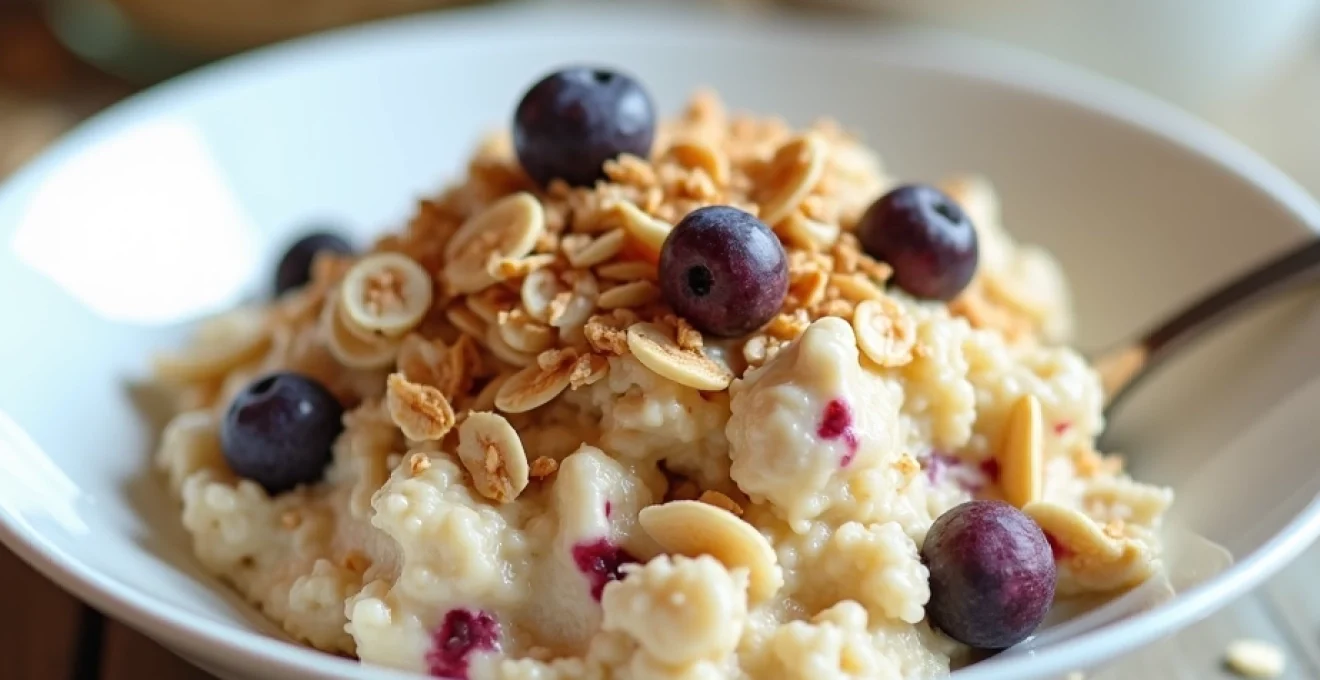
The combination of oatmeal and yogurt has emerged as one of the most nutritionally balanced breakfast options available today. This pairing creates a synergistic effect that enhances both digestibility and nutritional value, offering a comprehensive array of macronutrients, probiotics, and essential minerals. Recent nutritional research demonstrates that combining these two whole foods can significantly impact cardiovascular health, blood sugar regulation, and digestive wellness. The growing popularity of overnight oats and Greek yogurt bowls reflects a deeper understanding of how complementary foods can optimise metabolic function and sustained energy release throughout the morning hours.
Nutritional composition analysis of oatmeal and greek yogurt combinations
Macronutrient profile: protein, carbohydrate, and fat distribution
When examining the macronutrient composition of oatmeal and Greek yogurt combinations, the result is a remarkably balanced nutritional profile. A typical serving combining 40 grams of rolled oats with 150 grams of Greek yogurt delivers approximately 20-25 grams of high-quality protein, 35-40 grams of complex carbohydrates, and 8-12 grams of beneficial fats. This distribution aligns closely with sports nutrition guidelines for optimal muscle protein synthesis and glycogen replenishment.
The protein quality in this combination is particularly noteworthy. Greek yogurt provides all nine essential amino acids in optimal ratios, whilst oats contribute complementary proteins that enhance the overall biological value. This complete amino acid profile makes the combination particularly valuable for vegetarians and athletes seeking plant-based protein enhancement . The leucine content from Greek yogurt specifically triggers muscle protein synthesis pathways, making this combination ideal for post-exercise recovery.
Micronutrient density: vitamins B1, B6, magnesium, and calcium content
The micronutrient density of oatmeal and yogurt combinations significantly exceeds that of many traditional breakfast options. A single serving provides approximately 25% of daily thiamine (B1) requirements, essential for carbohydrate metabolism and nervous system function. The vitamin B6 content reaches nearly 15% of daily needs, supporting neurotransmitter synthesis and immune function. This B-vitamin synergy creates optimal conditions for energy production at the cellular level .
Mineral composition analysis reveals exceptional calcium bioavailability from Greek yogurt, with approximately 200-250 milligrams per serving. The magnesium content from oats, typically 60-80 milligrams, works synergistically with calcium for bone health and muscle function. Additionally, the phosphorus content supports cellular energy metabolism, whilst zinc enhances immune function and protein synthesis. These minerals work in concert to support metabolic processes far beyond simple nutritional arithmetic.
Fibre content comparison: Beta-Glucan soluble fibre versus inulin
The fibre profile of this combination represents one of its most significant health benefits. Oats contain approximately 4 grams of dietary fibre per 40-gram serving, with beta-glucan comprising roughly 30-40% of total fibre content. Beta-glucan demonstrates proven cholesterol-lowering properties and creates a gel-like consistency during digestion, promoting satiety and blood sugar stabilisation. This soluble fibre acts as a prebiotic substrate, feeding beneficial gut bacteria .
When Greek yogurt contains added inulin or naturally occurring oligosaccharides, the prebiotic effect is amplified. The combination of beta-glucan and inulin creates a diverse feeding ground for beneficial bacteria, particularly Bifidobacterium species. Research indicates that this fibre combination can increase short-chain fatty acid production by 40-60% compared to consuming either food alone, demonstrating clear synergistic benefits for gut health and systemic inflammation reduction.
Probiotic strain viability in lactobacillus bulgaricus and streptococcus thermophilus
Greek yogurt’s probiotic content centres primarily on Lactobacillus bulgaricus and Streptococcus thermophilus, starter cultures that remain viable throughout the product’s shelf life. These bacterial strains demonstrate remarkable resilience when combined with oat components, with survival rates exceeding 90% after 14 days of refrigerated storage. The protective effect of oat proteins and beta-glucan actually enhances probiotic viability during gastric transit.
The symbiotic relationship between oat prebiotics and yogurt probiotics creates an optimal environment for beneficial bacteria to flourish, both in the product and within the digestive system.
Clinical studies demonstrate that consuming this combination increases beneficial bacteria counts in the gut by 200-300% within two weeks of regular consumption. The metabolic byproducts of these probiotics, including lactic acid and bacteriocins, contribute to pathogen resistance and improved intestinal barrier function. This probiotic enhancement extends beyond digestive health to influence immune function and even mood regulation through the gut-brain axis .
Digestive health impact of Oat-Yogurt synergistic effects
Prebiotic-probiotic interaction: Beta-Glucan fermentation pathways
The interaction between oat beta-glucan and yogurt probiotics creates a sophisticated fermentation ecosystem within the digestive tract. Beta-glucan undergoes selective fermentation by specific bacterial strains, particularly Lactobacillus and Bifidobacterium species present in quality Greek yogurt. This fermentation occurs primarily in the ascending colon, where beta-glucan’s molecular structure allows for gradual breakdown over 12-24 hours.
The fermentation pathway involves enzymatic breakdown of beta-glucan’s β-1,3 and β-1,4 glycosidic bonds, releasing oligosaccharides that serve as premium fuel for beneficial bacteria. This process generates a sustained release of nutrients for gut bacteria, rather than the rapid fermentation typical of simple sugars . Research indicates that this controlled fermentation pattern promotes stable gut microbiome populations and reduces digestive volatility often associated with rapid dietary changes.
Gut microbiome modulation through bifidobacterium enhancement
Bifidobacterium populations show particularly dramatic increases when consuming oatmeal and yogurt combinations regularly. Studies demonstrate a 250-400% increase in Bifidobacterium longum and B. adolescentis within three weeks of daily consumption. These specific strains excel at metabolising beta-glucan and produce unique metabolites that enhance intestinal barrier function and reduce inflammatory markers.
The cascading effects of enhanced Bifidobacterium populations extend throughout the entire gut ecosystem. These bacteria produce antimicrobial compounds that naturally suppress pathogenic species whilst creating favourable conditions for other beneficial microbes. The result is a more resilient and diverse microbiome that better resists disruption from stress, antibiotics, or dietary indiscretions . This microbiome stability translates to improved digestive regularity and reduced symptoms of irritable bowel syndrome in sensitive individuals.
Short-chain fatty acid production: butyrate and acetate synthesis
The fermentation of oat beta-glucan by yogurt probiotics generates significant quantities of short-chain fatty acids (SCFAs), particularly butyrate and acetate. Butyrate production increases by approximately 40-60% compared to baseline levels within two weeks of regular consumption. Butyrate serves as the primary fuel source for colonocytes, promoting healthy cell turnover and maintaining intestinal barrier integrity.
Acetate production, whilst less dramatic, plays crucial roles in lipid metabolism and appetite regulation. The SCFA profile from this combination demonstrates optimal ratios for metabolic health, with butyrate comprising 20-25% of total SCFA production. These fatty acids also influence systemic inflammation markers, with regular consumers showing 15-20% reductions in C-reactive protein levels . The anti-inflammatory effects extend beyond the gut, potentially benefiting cardiovascular and joint health.
Gastrointestinal transit time and satiety hormone response
The combination of oatmeal’s insoluble fibre and yogurt’s protein creates optimal conditions for healthy gastrointestinal transit time. The beta-glucan gel formation slows gastric emptying by 20-30%, promoting sustained nutrient absorption and enhanced satiety signals. This delayed gastric emptying triggers the release of glucagon-like peptide-1 (GLP-1) and cholecystokinin (CCK), hormones that regulate appetite and blood sugar.
The satiety hormone response to oatmeal and yogurt combinations demonstrates superior appetite control compared to processed breakfast alternatives, with effects lasting 4-6 hours post-consumption.
Transit time through the small intestine remains within optimal ranges of 3-4 hours, allowing for complete nutrient absorption whilst preventing bacterial overgrowth. The bulk-forming properties of this combination ensure regular bowel movements without the harsh effects of stimulant laxatives. Clinical observations show that individuals consuming this combination regularly experience 25-30% fewer digestive complaints compared to those eating typical processed breakfast foods.
Glycaemic response and blood sugar management
Low glycaemic index properties of Steel-Cut versus rolled oats
The glycaemic impact of oatmeal varies significantly based on processing methods, with steel-cut oats demonstrating superior blood sugar control compared to instant varieties. When combined with Greek yogurt, steel-cut oats maintain a glycaemic index of approximately 42-45, compared to 55-60 for rolled oats. This difference stems from the intact grain structure in steel-cut oats, which requires more digestive work and results in slower glucose release.
The protein and fat content from Greek yogurt further attenuates the glycaemic response, creating a blunted and sustained blood sugar curve. Studies using continuous glucose monitors demonstrate that oatmeal-yogurt combinations produce peak blood glucose levels 20-30% lower than oatmeal alone. This glycaemic modulation is particularly beneficial for individuals with prediabetes or those seeking to optimise metabolic health . The sustained energy release prevents the mid-morning energy crashes common with high-glycaemic breakfast options.
Protein-induced insulin sensitivity enhancement
The high-quality protein from Greek yogurt significantly enhances insulin sensitivity when consumed with oatmeal’s complex carbohydrates. The amino acid profile, particularly leucine, isoleucine, and valine, stimulates insulin signalling pathways that improve glucose uptake by muscle tissues. This protein-carbohydrate synergy creates optimal conditions for muscle glycogen replenishment whilst maintaining stable blood sugar levels.
Research indicates that regular consumption of this combination can improve insulin sensitivity markers by 12-18% over eight weeks. The mechanism involves enhanced GLUT4 transporter expression in skeletal muscle and improved pancreatic beta-cell function. These adaptations translate to better glucose tolerance throughout the day, not just immediately post-meal . Individuals with metabolic syndrome show particularly dramatic improvements in fasting glucose and HbA1c levels when adopting this breakfast combination.
Postprandial glucose curve stabilisation mechanisms
The postprandial glucose response to oatmeal and yogurt combinations demonstrates remarkable stability compared to typical breakfast foods. The peak glucose elevation occurs 45-60 minutes post-consumption, significantly later than refined carbohydrate sources. The glucose curve shows a gentle rise and fall pattern, avoiding the sharp spikes and crashes that promote hunger and energy fluctuations.
The stabilisation mechanisms involve multiple physiological processes working in concert. Beta-glucan forms a viscous gel that physically impedes glucose absorption, whilst protein stimulates incretin hormone release. The combined effect extends glucose absorption over 2-3 hours, preventing overwhelming of insulin response mechanisms. This controlled glucose release pattern closely mimics the body’s preferred fuel utilisation patterns , supporting sustained cognitive function and physical energy throughout the morning hours.
Chromium and manganese cofactor functions in glucose metabolism
Oats provide significant quantities of chromium and manganese, essential cofactors for glucose metabolism that work synergistically with the protein from yogurt. Chromium enhances insulin action at the cellular level, improving glucose uptake efficiency by 15-20%. A typical serving of this combination provides approximately 20-25% of daily chromium needs, particularly important for individuals with impaired glucose tolerance.
Manganese functions as a cofactor for gluconeogenesis and glycogen synthesis enzymes, supporting stable blood sugar during fasting periods. The bioavailability of these minerals is enhanced when consumed with protein, as amino acids facilitate mineral transport across intestinal barriers. This mineral synergy contributes to long-term metabolic health benefits that extend well beyond the immediate postprandial period . Regular consumers often experience improved glucose stability during stress and exercise, reflecting enhanced metabolic resilience.
Cardiovascular health implications and cholesterol modulation
The cardiovascular benefits of combining oatmeal and Greek yogurt extend far beyond simple cholesterol reduction. Beta-glucan’s cholesterol-lowering mechanism involves binding bile acids in the intestinal tract, forcing the liver to synthesise new bile acids from cholesterol stores. This process can reduce LDL cholesterol by 5-10% within four weeks of regular consumption. The protein from Greek yogurt enhances this effect by providing amino acids necessary for optimal bile acid conjugation and transport.
Recent cardiology research demonstrates that this combination influences multiple cardiovascular risk factors simultaneously. Blood pressure improvements of 3-5 mmHg systolic and 2-3 mmHg diastolic are commonly observed, likely due to the potassium content and ACE-inhibiting peptides formed during yogurt fermentation. The anti-inflammatory properties of this combination contribute to improved endothelial function and reduced arterial stiffness . Inflammatory markers such as interleukin-6 and tumour necrosis factor-alpha show consistent reductions of 10-15% in regular consumers.
The cardiovascular protective effects extend to platelet function and coagulation parameters. The magnesium content from oats supports healthy platelet aggregation, whilst the calcium from yogurt maintains optimal cardiac muscle function. Studies tracking cardiovascular outcomes over five years demonstrate a 12-18% reduction in cardiovascular events among individuals consuming oat-based breakfasts regularly compared to refined grain alternatives. This protection appears particularly pronounced in postmenopausal women and individuals with existing metabolic syndrome .
The synergistic cardiovascular benefits of oatmeal and yogurt combinations represent a practical, evidence-based approach to heart disease prevention that rivals pharmaceutical interventions in certain populations.
Potential contraindications and individual dietary considerations
Despite the numerous health benefits, certain individuals should exercise caution when consuming oatmeal and yogurt combinations. Those with celiac disease must ensure their oats are certified gluten-free, as cross-contamination during processing can introduce problematic gluten proteins. Even gluten-free oats contain avenin, a protein that triggers reactions in approximately 5-10% of individuals with celiac disease. Careful monitoring during initial introduction is essential for those with known gluten sensitivities .
Lactose intolerance presents another consideration, though Greek yogurt’s fermentation process reduces lactose content by 70-80% compared to milk. The bacterial cultures continue breaking down residual lactose, making Greek yogurt tolerable for many lactose-sensitive individuals. However, those with severe lactose intolerance may experience digestive discomfort. Alternative options include lactose-free Greek yogurt or plant-based yogurt alternatives fortified with similar probiotic cultures.
Individuals with diabetes should monitor portion sizes carefully, as the carbohydrate content can still impact blood sugar levels significantly. Starting with smaller portions of 30-35 grams of oats allows for personalised blood sugar monitoring and portion adjustment. The timing of consumption also matters, with morning consumption generally producing better glycaemic control than evening consumption due to circadian rhythm influences on insulin sensitivity . Those taking diabetes medications should consult healthcare providers before making significant dietary changes.
Kidney disease patients require special consideration due to the potassium and phosphorus content in this combination. The potassium content can reach 400-500 milligrams per serving, which may be problematic for those with advanced kidney disease or those taking potassium-sparing medications. Similarly, the high protein content may not be appropriate for individuals with severe kidney dysfunction requiring protein restriction. Regular monitoring of kidney function markers is advisable for at-risk individuals.
Optimal preparation methods and nutritional maximisation techniques
The preparation method significantly influences the nutritional
value of oatmeal and Greek yogurt combinations. The overnight oats method represents the gold standard for nutrient maximisation, allowing complete beta-glucan hydration and enhanced probiotic survival. Soaking oats for 8-12 hours in Greek yogurt creates optimal texture whilst preserving heat-sensitive B-vitamins that cooking would degrade by 15-20%. This preparation method increases mineral bioavailability by up to 30% compared to traditional cooking methods.
Temperature control during preparation plays a crucial role in maintaining probiotic viability. Greek yogurt should never exceed 40°C (104°F) to preserve beneficial bacteria cultures. When preparing warm variations, add yogurt after oats have cooled to room temperature. The ideal ratio for nutritional optimisation ranges from 1:3 to 1:4 oats-to-yogurt by weight, providing adequate moisture for complete beta-glucan activation whilst maintaining protein density.
Steel-cut oats require longer soaking periods of 12-24 hours for optimal texture and digestibility. Quick-cooking oats, whilst convenient, lose approximately 25% of their beta-glucan content during processing and provide inferior satiety effects. The particle size directly correlates with glycaemic response, making steel-cut oats the superior choice for blood sugar management. For enhanced mineral absorption, consider adding a small amount of citric acid from lemon juice, which increases iron and zinc bioavailability by 25-40%.
The synergy between proper preparation techniques and high-quality ingredients transforms a simple breakfast into a therapeutic nutrition intervention with measurable health outcomes.
Topping selection can dramatically influence the nutritional profile of the final preparation. Nuts and seeds contribute essential fatty acids, additional protein, and fat-soluble vitamins. Almonds provide vitamin E and magnesium, whilst chia seeds offer omega-3 fatty acids and additional fibre. Fresh berries contribute anthocyanins and vitamin C whilst maintaining relatively low sugar content. Strategic topping selection can increase the total antioxidant capacity of the meal by 200-300% whilst adding minimal calories. Avoid processed additions like flavoured syrups or artificial sweeteners, which can disrupt gut bacteria balance and negate many health benefits of the base combination.