Temporomandibular joint (TMJ) disorders affect millions of people worldwide, creating challenges that extend far beyond simple jaw discomfort. For many individuals, the impact reaches into their most intimate relationships, raising important questions about safety and comfort during sexual activities. The intersection of TMJ pain and intimate contact represents a complex medical consideration that requires careful evaluation of both physical limitations and adaptive strategies. Understanding the biomechanical implications of jaw dysfunction during intimate activities becomes crucial for maintaining both physical well-being and relationship satisfaction. This comprehensive examination explores the medical safety considerations, adaptive techniques, and professional treatment approaches that can help individuals navigate these sensitive health concerns with confidence and informed decision-making.
Understanding temporomandibular joint disorder and its impact on oral activities
TMJ anatomy and biomechanical function during jaw movement
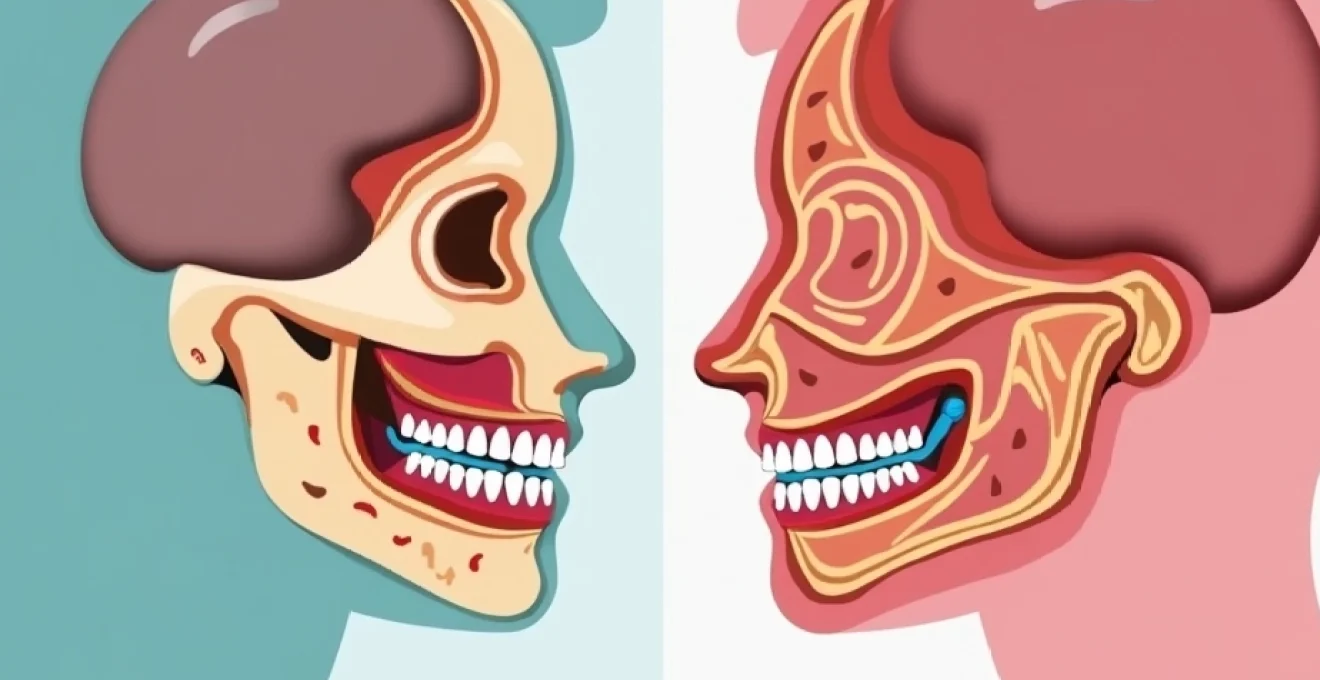
The temporomandibular joint represents one of the most complex articulations in the human body, functioning as both a hinge and sliding joint that facilitates essential daily activities. This intricate system consists of the mandibular condyle, temporal bone, articular disc, and surrounding musculature including the masseter, temporalis, and pterygoid muscles. During normal function, the joint undergoes sophisticated biomechanical movements that allow for opening, closing, protrusion, retrusion, and lateral excursions of the mandible. Understanding these mechanics becomes particularly relevant when considering activities that require sustained mouth opening or specific positioning that may stress the joint beyond its comfortable range of motion.
The articular disc within the TMJ acts as a crucial shock absorber and facilitator of smooth movement between bony surfaces. When this disc becomes displaced or the surrounding muscles experience tension, normal biomechanical function becomes compromised. Research indicates that activities requiring mouth opening beyond 40-45 millimeters may place excessive stress on already compromised joint structures. The coordination between muscle groups becomes even more critical during activities that involve sustained positioning, making it essential to understand individual limitations and capacity for various oral activities.
Clinical classification of TMJ disorders: myofascial pain vs. internal derangement
Clinical classification of TMJ disorders typically falls into two primary categories: myofascial pain dysfunction and internal derangement of the joint structure. Myofascial pain involves muscle-related discomfort affecting the masseter, temporalis, and pterygoid muscles, often accompanied by trigger points and referred pain patterns. This type of dysfunction frequently results from bruxism, stress-related muscle tension, or postural abnormalities. Internal derangement, conversely, involves structural problems within the joint itself, including disc displacement, capsular inflammation, or degenerative changes to the condylar surfaces.
Each classification presents unique considerations for oral activities and intimate contact. Myofascial pain disorders often respond favourably to muscle relaxation techniques and modified positioning strategies, whilst internal derangement may require more significant activity modifications to prevent exacerbation of symptoms. Understanding your specific diagnosis becomes crucial for determining appropriate safety measures and adaptive approaches during intimate activities.
Pain threshold assessment using visual analogue scale for TMJ dysfunction
Accurate pain assessment serves as a fundamental component in determining safety parameters for various activities with TMJ disorders. The Visual Analogue Scale (VAS) provides a standardised method for quantifying pain intensity on a scale from 0-10, offering objective measurement for subjective experiences. For individuals with TMJ dysfunction, pain levels above 6/10 on the VAS typically indicate active inflammation or significant muscle dysfunction that may contraindicate strenuous oral activities.
Regular pain monitoring throughout the day helps establish patterns and identify optimal timing for intimate activities. Many individuals with TMJ disorders experience fluctuating symptoms, with pain levels varying based on factors such as stress, sleep quality, dietary choices, and weather changes. Establishing baseline pain measurements before engaging in any activity that places demands on the temporomandibular system allows for informed decision-making and risk assessment. This approach enables individuals to recognise when symptoms are within manageable ranges versus when activities should be postponed to prevent symptom exacerbation.
Mandibular range of motion limitations and trismus complications
Mandibular range of motion assessment provides critical information about functional capacity and safety limitations during oral activities. Normal mouth opening ranges from 45-55 millimeters in healthy adults, measured as the distance between upper and lower incisors. Individuals with TMJ disorders frequently experience restricted opening, medically termed trismus, which can range from mild limitations to severe restriction below 25 millimeters. These limitations directly impact the feasibility and safety of various intimate activities that require sustained mouth opening or specific jaw positioning.
Progressive range of motion restrictions may indicate worsening joint dysfunction or increasing muscle spasm. Activities that force the jaw beyond comfortable range of motion can trigger protective muscle guarding, potentially leading to muscle spasm and acute pain episodes. Understanding individual limitations becomes paramount for preventing injury and maintaining long-term joint health. Regular assessment of mandibular mobility helps establish safe parameters for intimate activities whilst identifying when professional intervention may be necessary.
Medical safety considerations for intimate activities with active TMJ symptoms
Contraindications for oral contact during acute TMJ flare-ups
Acute TMJ flare-ups represent periods of heightened inflammation and pain that require careful activity modification to prevent further tissue damage. During these episodes, the temporomandibular joint experiences increased sensitivity, muscle guarding, and potential swelling that can severely compromise normal function. Medical literature suggests that activities requiring sustained mouth opening beyond comfortable range during acute phases may lead to protective muscle spasm and prolonged recovery periods. Recognition of contraindication signs becomes crucial for preventing complications and maintaining overall joint health.
Absolute contraindications for oral intimate contact include active joint inflammation with visible swelling, acute muscle spasm preventing normal jaw movement, recent TMJ dislocation or subluxation events, and severe pain levels exceeding 7/10 on pain scales . Additional warning signs include inability to open the mouth to normal speaking position, clicking or popping accompanied by sharp pain, and radiating pain into the neck, shoulder, or temporal regions. These symptoms indicate active pathological processes that require rest and professional evaluation before resuming normal oral activities.
Risk assessment for jaw dislocation and subluxation events
Jaw dislocation represents a serious complication that can occur when the mandibular condyle moves beyond the articular eminence and becomes trapped in an anterior position. Individuals with history of previous dislocations, joint hypermobility, or significant disc displacement face elevated risks during activities that require maximal mouth opening.
The risk of dislocation increases significantly when mouth opening exceeds individual comfortable range, particularly when combined with lateral or protrusive jaw movements.
Understanding personal risk factors becomes essential for preventing this potentially traumatic complication.
Subluxation events, whilst less severe than complete dislocations, still represent concerning episodes where the condyle partially displaces before returning to normal position. These events often produce audible popping sounds, temporary locking sensations, and acute pain episodes. Individuals experiencing frequent subluxation episodes should exercise particular caution during intimate activities and consider prophylactic measures such as muscle relaxation techniques or positioning modifications. The cumulative effect of repeated subluxation events can lead to progressive joint damage and increased likelihood of complete dislocation.
Muscle fatigue and masseter strain prevention protocols
The masseter and associated muscles of mastication possess finite endurance capacity that becomes particularly relevant during sustained oral activities. Muscle fatigue in the temporomandibular system manifests as aching, burning sensations, decreased coordination, and progressive weakness that can predispose to injury. Research demonstrates that masseter muscle fatigue occurs within 10-15 minutes of sustained contraction in healthy individuals, with this timeframe significantly reduced in those with existing TMJ disorders. Prevention protocols focus on recognising early fatigue signs and implementing appropriate rest intervals.
Effective prevention strategies include intermittent relaxation periods, gentle stretching exercises, and modified positioning techniques that reduce muscle load. The application of thermotherapy before activities can improve muscle flexibility and endurance, whilst cryotherapy after activities helps reduce post-exercise inflammation. Electrolyte balance and adequate hydration also play crucial roles in muscle function and fatigue prevention. Individuals should monitor for early warning signs including muscle tremor, decreased coordination, and increasing effort required to maintain jaw position.
Inflammation exacerbation factors in temporomandibular joint capsule
The joint capsule surrounding the temporomandibular joint contains numerous pain receptors and inflammatory mediators that can become activated during excessive mechanical stress. Activities that place the joint in extreme positions or apply excessive force can trigger inflammatory cascades leading to increased pain, swelling, and functional limitation. Understanding inflammatory triggers becomes crucial for preventing symptom exacerbation and maintaining joint health. Common exacerbating factors include sustained extreme positioning, repetitive stress, and activities performed during existing inflammatory states.
Inflammatory responses typically peak 24-48 hours following triggering activities, creating a delayed onset of symptoms that may not be immediately apparent. This delayed response pattern makes it challenging to identify specific triggering activities and emphasises the importance of preventive approaches. Anti-inflammatory protocols including appropriate medication timing, cold therapy application, and activity modification can help minimise inflammatory responses. Monitoring for delayed symptom onset allows individuals to correlate activities with subsequent symptoms and make informed decisions about future participation.
Adaptive techniques and positioning strategies for TMJ management
Modified jaw positioning to minimise articular disc displacement
Strategic positioning modifications can significantly reduce stress on the temporomandibular joint whilst maintaining comfort and function during intimate activities. The optimal jaw position maintains the condyle in a stable relationship with the articular disc, typically achieved through slight mouth opening with relaxed muscle positioning. Research indicates that positioning the jaw in slight protrusion can help maintain disc-condyle relationships in individuals with anterior disc displacement. These positioning strategies require practice and conscious implementation to become effective adaptive mechanisms.
Effective positioning techniques involve maintaining the tongue in a relaxed position against the palate, avoiding extreme lateral jaw movements, and limiting maximum opening to comfortable ranges. The use of supportive pillows or positioning aids can help maintain optimal head and neck alignment, reducing secondary muscle tension. Communication with partners becomes essential for implementing these modifications successfully, ensuring that positioning strategies are maintained throughout intimate activities without creating distraction or discomfort for either participant.
Duration control and intermittent rest intervals for muscle recovery
Implementing structured duration limits and rest intervals represents a fundamental strategy for preventing muscle fatigue and joint overload during oral intimate activities. The concept of interval training, commonly applied in athletic performance, proves equally valuable for managing temporomandibular dysfunction. Establishing time limits based on individual tolerance levels helps prevent exceeding muscle endurance capacity and triggering protective responses. Research suggests optimal activity intervals of 3-5 minutes with equal rest periods for individuals with moderate TMJ dysfunction.
During rest intervals, gentle jaw relaxation techniques and light stretching can help promote muscle recovery and prevent stiffness. These breaks also provide opportunities to assess comfort levels, adjust positioning, and implement pain management strategies if needed. The frequency and duration of rest intervals should be adjusted based on current symptom levels, with more frequent breaks required during periods of increased dysfunction. Progressive interval training can help build endurance capacity over time whilst respecting current limitations.
Alternative contact methods reducing mandibular stress load
Diversification of intimate contact methods can help reduce reliance on activities that place high demands on the temporomandibular system. Alternative approaches focus on utilising other areas of oral contact that require minimal jaw opening or positioning changes. These methods include using lips for contact rather than requiring significant mouth opening, incorporating gentle suction techniques that maintain jaw in comfortable positions, and utilising tongue contact that doesn’t require extreme positioning.
The key principle involves maintaining intimate connection whilst respecting physical limitations and preventing symptom exacerbation.
Technology and aids can also provide alternatives that reduce direct jaw involvement whilst maintaining intimate experiences. These options require careful selection and discussion between partners to ensure comfort and satisfaction for all involved. The integration of alternative methods should be approached as enhancement rather than limitation, focusing on creative solutions that expand rather than restrict intimate possibilities. Professional guidance from qualified healthcare providers can help identify appropriate alternatives based on individual limitations and preferences.
Cervical spine alignment considerations during intimate activities
The intimate relationship between cervical spine positioning and temporomandibular function significantly impacts comfort and safety during oral intimate activities. Poor neck positioning can create secondary muscle tension that exacerbates TMJ symptoms and increases risk of injury. Optimal cervical alignment maintains the natural lordotic curve whilst avoiding extreme flexion, extension, or rotation that can create compensatory tension in the muscles of mastication. Understanding these relationships helps individuals make positioning choices that support overall comfort and function.
Supportive positioning strategies include using appropriate pillow support to maintain neutral neck positioning, avoiding extreme head positions that create muscle strain, and ensuring that intimate positioning doesn’t require sustained uncomfortable postures. The integration of ergonomic principles into intimate activities may seem clinical, but these considerations prove essential for individuals with temporomandibular dysfunction. Regular position changes and awareness of developing tension help prevent the accumulation of stress that can trigger TMJ symptoms or worsen existing dysfunction.
Professional treatment protocols before resuming normal oral function
Professional evaluation and treatment represent essential components of comprehensive TMJ management, particularly when symptoms impact intimate activities and quality of life. Qualified healthcare providers can assess joint function, muscle condition, and pain patterns to develop appropriate treatment protocols that address underlying dysfunction. Early intervention often prevents progression to more severe limitations and maintains better long-term outcomes. The multidisciplinary approach typically involves dental specialists, physical therapists, and sometimes pain management specialists working collaboratively to address all aspects of temporomandibular dysfunction.
Initial professional assessment includes comprehensive history taking, clinical examination, and often imaging studies to identify specific pathological processes. Treatment protocols may include manual therapy techniques, therapeutic exercises, occlusal appliance therapy, and stress management strategies. These interventions aim to reduce inflammation, improve muscle function, restore normal joint mechanics, and develop effective self-management strategies. The timeline for treatment response varies significantly between individuals, with some experiencing improvement within days whilst others require weeks or months of consistent intervention.
Professional monitoring throughout treatment ensures appropriate progress and helps identify when activity restrictions can be safely modified or removed. Regular reassessment allows for treatment plan modifications based on response patterns and changing symptoms.
The goal of professional treatment extends beyond symptom reduction to include restoration of normal function and prevention of future episodes.
This comprehensive approach provides the foundation for safely resuming all normal activities, including intimate contact, with confidence and reduced risk of symptom recurrence.
Patient education represents a crucial component of professional treatment protocols, ensuring individuals understand their condition, recognise warning signs, and implement appropriate self-management strategies. This education includes understanding personal limitations, recognising when to seek additional treatment, and developing effective communication strategies with intimate partners. Professional guidance helps individuals navigate the balance between activity modification and maintaining normal life experiences, including intimate relationships.
Pain management strategies and pharmaceutical interventions for TMJ relief
Effective pain management forms the cornerstone of successful TMJ treatment, enabling individuals to maintain function whilst addressing underlying pathological processes. Pharmaceutical interventions range from over-the-counter anti-inflammatory medications to prescription muscle relaxants and topical analgesics. Timing of medication administration becomes particularly important when planning intimate activities, as peak effectiveness typically occurs 1-2 hours after oral medication administration. Understanding the pharmacokinetics of different pain medications helps optimise their effectiveness for specific activities and situations.
Non-steroidal anti-inflammatory drugs (NSAIDs) represent first-line pharmaceutical interventions for TMJ-related pain, offering both analgesic and anti-inflammatory properties. Common options include ibuprofen, naproxen, and diclofenac, each with different onset times, duration of action, and side effect profiles. Topical preparations may provide localised relief with reduced systemic effects, making them particularly suitable for individuals with gastrointestinal sensitivities or those taking multiple medications. The selection of appropriate pharmaceutical interventions should always be guided by qualified healthcare providers who can consider individual medical history, concurrent medications, and specific contraindications.
Muscle relaxants such as cyclobenzaprine or methocarbamol may be prescribed for individuals experiencing significant muscle spasm or tension-related symptoms. These medications can be particularly effective when used strategically before activities that typically trigger symptoms, though they may cause drowsiness or cognitive effects that need consideration. Natural alternatives including magnesium supplements, herbal anti-inflammatory compounds, and homeopathic preparations may provide benefits for some individuals, though scientific evidence varies for different preparations.
Comprehensive pain management strategies extend beyond pharmaceutical interventions to include physical modalities, stress reduction techniques, and lifestyle modifications. Heat and cold therapy can provide immediate relief and may be used strategically before or after activities. Stress management techniques including meditation, progressive muscle relaxation, and mindfulness practices address the psychological components that often exacerbate TMJ symptoms. The integration of multiple pain management strategies
typically produces enhanced effectiveness when used consistently rather than episodically, emphasising the importance of proactive rather than reactive approaches to TMJ management.
Long-term relationship communication and intimacy adaptation with chronic TMJ
Chronic TMJ conditions require ongoing adaptation strategies that extend far beyond temporary symptom management, fundamentally altering how couples approach intimate communication and physical connection. The chronic nature of temporomandibular disorders necessitates developing sustainable communication patterns that acknowledge physical limitations whilst maintaining emotional and physical intimacy. Successful long-term adaptation involves creating flexible frameworks that can accommodate symptom fluctuations, treatment responses, and evolving relationship dynamics. Research demonstrates that couples who develop effective communication strategies early in the diagnosis process maintain higher relationship satisfaction and better symptom management outcomes over time.
Establishing regular check-in conversations about comfort levels, symptom patterns, and intimacy preferences creates a foundation for ongoing adaptation. These discussions should occur during symptom-free periods when both partners can engage without the immediate pressure of symptom management. Developing coded communication signals allows for real-time adjustment during intimate activities without disrupting the emotional connection. Many couples find that creating intimacy plans that include multiple options based on current symptom levels helps maintain spontaneity whilst respecting physical limitations. The key lies in viewing these adaptations as relationship enhancements rather than restrictions, focusing on creative problem-solving that strengthens partnership bonds.
Partner education about TMJ disorders plays a crucial role in successful long-term adaptation, enabling both individuals to understand symptom patterns, triggers, and effective management strategies. This education extends beyond basic symptom recognition to include understanding pain cycles, medication effects, and the psychological impact of chronic conditions. Partners who actively participate in treatment appointments and education sessions demonstrate better support capabilities and reduced relationship stress. The development of shared responsibility for symptom management creates partnership approaches that reduce individual burden whilst maintaining autonomy in health decisions.
Long-term success requires viewing TMJ management as a team effort rather than an individual challenge, with both partners contributing to creative solutions and emotional support.
Intimacy expansion strategies focus on developing broader definitions of physical connection that accommodate varying functional capacity levels. This approach emphasises quality over quantity, creating meaningful intimate experiences that don’t rely solely on oral contact or activities requiring significant jaw function. Couples often discover new forms of physical and emotional connection through this adaptive process, leading to enhanced overall relationship satisfaction. The integration of sensual massage, extended foreplay variations, and alternative forms of physical expression can actually enrich intimate experiences beyond pre-diagnosis patterns. Regular relationship counselling or sex therapy can provide professional guidance for couples navigating these adaptations, ensuring that both partners’ needs receive appropriate attention and that communication remains healthy and effective throughout the chronic management process.