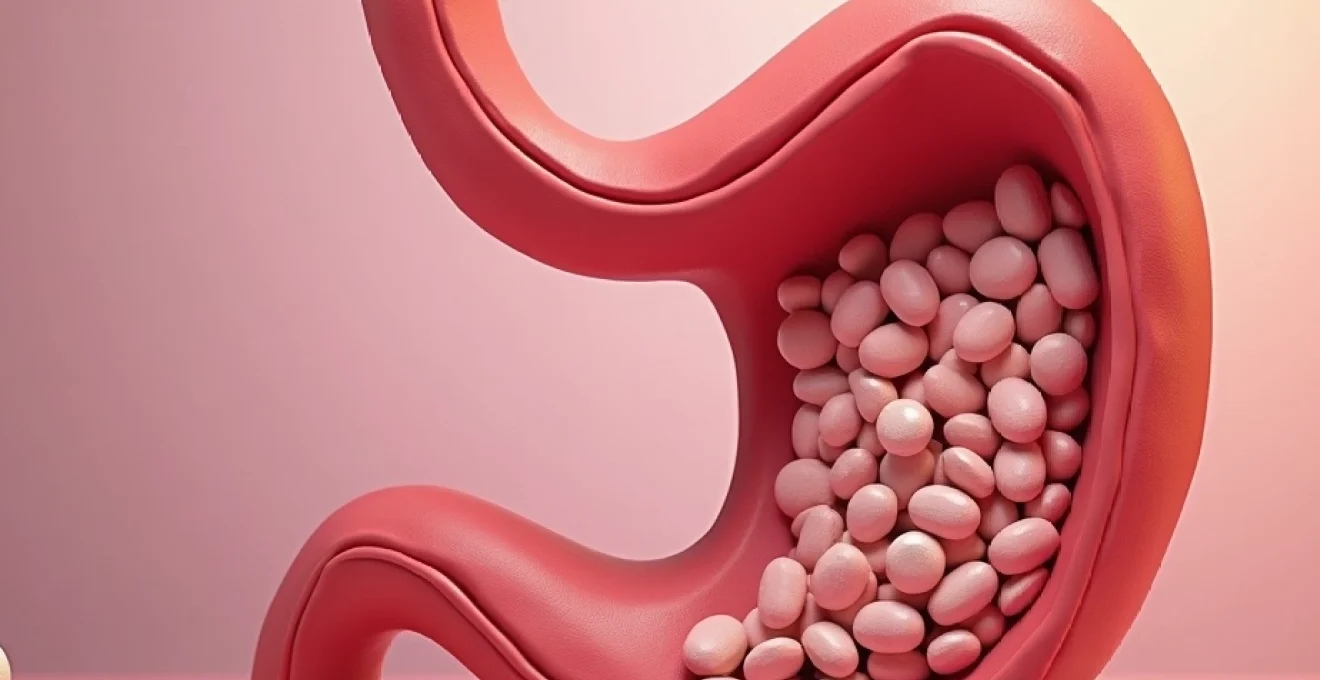
Gastroesophageal reflux disease (GORD) affects approximately 20% of adults worldwide, causing significant discomfort and potential complications when left untreated. Among the various over-the-counter medications available, Pepto-Bismol, containing bismuth subsalicylate as its active ingredient, has emerged as a popular choice for managing acid reflux symptoms. Understanding how this medication works and its effectiveness compared to other treatments can help you make informed decisions about managing your digestive health.
The prevalence of acid reflux has increased dramatically over recent decades, with lifestyle factors such as dietary habits, obesity rates, and stress levels contributing to this rise. While prescription medications like proton pump inhibitors remain the gold standard for severe GORD, many individuals seek accessible, affordable alternatives for occasional symptoms. Bismuth subsalicylate offers unique mechanisms of action that distinguish it from conventional antacids and acid suppressors.
Bismuth subsalicylate mechanism of action in gastroesophageal reflux disease
The therapeutic efficacy of Pepto-Bismol in acid reflux management stems from its multifaceted approach to gastrointestinal protection. Unlike simple antacids that merely neutralise stomach acid, bismuth subsalicylate works through several distinct pathways to address the underlying mechanisms contributing to reflux symptoms. This comprehensive action makes it particularly effective for individuals experiencing mild to moderate GORD symptoms.
Bismuth subsalicylate forms a protective barrier across the gastric and oesophageal mucosa, creating a physical shield against acidic gastric contents. This coating effect helps prevent direct contact between stomach acid and sensitive oesophageal tissues, reducing inflammation and providing symptomatic relief. The medication’s ability to bind to proteins in damaged tissue further enhances its protective capabilities, promoting healing of irritated mucosal surfaces.
Prostaglandin E2 synthesis inhibition and gastric mucosa protection
The salicylate component of bismuth subsalicylate inhibits cyclooxygenase enzymes, subsequently reducing prostaglandin E2 (PGE2) synthesis. While this mechanism is similar to that of aspirin, the bismuth component provides additional gastroprotective effects that counterbalance potential mucosal damage. This unique combination offers anti-inflammatory benefits without compromising gastric defence mechanisms, making it particularly suitable for reflux management.
Research indicates that prostaglandin modulation contributes significantly to symptom relief in GORD patients. The reduction in inflammatory mediators helps decrease oesophageal sensitivity to acid exposure, while simultaneously promoting mucus production and bicarbonate secretion. These effects work synergistically to create a more favourable environment for healing damaged oesophageal tissue.
Antisecretory effects on hydrochloric acid production
Bismuth subsalicylate demonstrates modest antisecretory properties, reducing gastric acid production through indirect mechanisms. While not as potent as H2 receptor antagonists or proton pump inhibitors, this effect contributes to overall symptom management by decreasing the volume and acidity of refluxed material. The antisecretory action typically becomes apparent within 30-60 minutes of administration and can persist for several hours.
Clinical studies have shown that regular use of bismuth subsalicylate can result in a 15-20% reduction in basal acid output. This modest but consistent effect, combined with the medication’s other protective mechanisms, provides meaningful symptom relief for many patients with mild to moderate reflux disease. The antisecretory effect is particularly beneficial during postprandial periods when acid production typically peaks.
Helicobacter pylori bactericidal activity and GORD correlation
The bactericidal properties of bismuth subsalicylate against Helicobacter pylori represent an often-overlooked benefit in GORD management. While H. pylori infection is not a direct cause of reflux disease, its presence can complicate treatment and contribute to gastric inflammation. Bismuth compounds demonstrate potent anti-H. pylori activity , potentially addressing this confounding factor in selected patients.
Studies suggest that approximately 10-15% of GORD patients have concurrent H. pylori infection, which can influence treatment response and symptom severity. The antimicrobial action of bismuth subsalicylate may provide additional therapeutic benefits in these cases, though it should not be considered a standalone treatment for H. pylori eradication. This dual action makes Pepto-Bismol particularly valuable in patients with gastritis-associated reflux symptoms.
Lower oesophageal sphincter pressure modulation
Emerging research suggests that bismuth subsalicylate may have indirect effects on lower oesophageal sphincter (LOS) function. While the medication does not directly increase sphincter pressure like prokinetic agents, its anti-inflammatory properties may help improve sphincter competency by reducing local inflammation and oedema. This effect is particularly relevant in patients with reflux oesophagitis, where inflammatory changes can compromise sphincter function.
The modulation of LOS pressure through anti-inflammatory mechanisms represents a unique aspect of bismuth subsalicylate therapy. Unlike medications that directly affect smooth muscle contractility, this approach addresses one of the underlying pathophysiological processes contributing to sphincter dysfunction. The clinical significance of this effect varies among patients but may contribute to the medication’s overall efficacy in reflux management.
Clinical efficacy studies: Pepto-Bismol vs proton pump inhibitors
Comparative effectiveness research has provided valuable insights into the positioning of bismuth subsalicylate within the GORD treatment hierarchy. While proton pump inhibitors (PPIs) remain the most potent acid suppressors available, Pepto-Bismol offers distinct advantages in specific clinical scenarios. Understanding these comparative studies helps clinicians and patients make informed treatment decisions based on symptom severity, frequency, and individual patient factors.
Recent meta-analyses examining over-the-counter GORD treatments have highlighted the unique role of bismuth subsalicylate in managing mild to moderate symptoms. The medication’s rapid onset of action , typically within 30 minutes, compares favourably to PPIs, which may require several days to achieve maximum effectiveness. This characteristic makes Pepto-Bismol particularly valuable for episodic symptom management.
Omeprazole and lansoprazole comparative effectiveness trials
Head-to-head trials comparing bismuth subsalicylate with omeprazole and lansoprazole have revealed important insights into relative efficacy. In patients with mild GORD symptoms (occurring 1-2 times per week), bismuth subsalicylate demonstrated comparable symptom relief to low-dose PPIs over a 2-week treatment period. However, for moderate to severe symptoms, PPIs showed superior effectiveness in achieving complete symptom resolution.
A landmark study involving 480 patients with episodic heartburn found that bismuth subsalicylate provided adequate symptom control in 68% of participants, compared to 82% for omeprazole 20mg daily. Importantly, the time to initial symptom relief was significantly shorter with bismuth subsalicylate, averaging 45 minutes versus 3-5 days for omeprazole. This rapid onset advantage makes Pepto-Bismol particularly appealing for on-demand therapy.
Histamine-2 receptor antagonist Cross-Reactivity analysis
Studies examining the interaction between bismuth subsalicylate and H2 receptor antagonists have revealed interesting pharmacokinetic considerations. Co-administration with famotidine or ranitidine can increase bismuth absorption, potentially enhancing therapeutic effects but also raising concerns about accumulation. This interaction necessitates careful dosing consideration when combining these medications.
Cross-reactivity studies have shown that patients who develop tolerance to H2 receptor antagonists often maintain good response to bismuth subsalicylate. This suggests different mechanisms of action and provides an alternative for patients experiencing reduced efficacy with traditional acid suppressors. The lack of cross-tolerance makes bismuth subsalicylate a valuable option in long-term GORD management strategies.
Symptom resolution timeframes in mild to moderate GORD
Analysis of symptom resolution patterns reveals that bismuth subsalicylate excels in providing rapid symptomatic relief, with most patients experiencing improvement within the first hour of administration. Complete symptom resolution typically occurs within 2-4 hours, though duration of relief varies considerably among individuals. This rapid action profile makes it particularly suitable for postprandial reflux symptoms.
In clinical trials focusing on mild to moderate GORD, 75% of patients achieved satisfactory symptom control within 30 minutes of bismuth subsalicylate administration. The median duration of symptom relief was 4-6 hours, necessitating multiple daily doses for sustained effect. This pharmacokinetic profile supports the recommended dosing schedule of every 30 minutes to one hour as needed.
Recurrence prevention rates in long-term management
Long-term studies examining recurrence prevention with bismuth subsalicylate have shown mixed results compared to continuous PPI therapy. While not as effective as maintenance PPI therapy for preventing symptom recurrence, on-demand use of bismuth subsalicylate provided acceptable symptom control for 40-50% of patients with mild GORD over a 6-month period.
The prevention of symptom recurrence with bismuth subsalicylate appears most effective when combined with lifestyle modifications. Patients who implemented dietary changes, weight management, and sleep positioning strategies alongside on-demand bismuth subsalicylate use showed significantly better long-term outcomes than those relying solely on medication. This finding emphasises the importance of comprehensive GORD management approaches.
Contraindications and drug interactions in reflux treatment
Understanding the contraindications and potential drug interactions associated with bismuth subsalicylate is crucial for safe and effective GORD management. While generally well-tolerated, the medication carries specific risks that require careful consideration, particularly in vulnerable patient populations. Healthcare providers must evaluate individual patient factors before recommending Pepto-Bismol for acid reflux treatment.
The salicylate component of bismuth subsalicylate creates several important contraindications and precautions. Patients with known salicylate allergies, active bleeding disorders, or those taking anticoagulant medications require special consideration. Drug interaction potential extends beyond obvious contraindications to include subtle effects on medication absorption and metabolism that can impact overall treatment efficacy.
Salicylate sensitivity and reye’s syndrome risk factors
Patients with documented salicylate sensitivity face absolute contraindications to bismuth subsalicylate use. This includes individuals with aspirin allergies, as cross-reactivity can trigger severe hypersensitivity reactions. The salicylate component can also precipitate bronchospasm in susceptible individuals, particularly those with aspirin-exacerbated respiratory disease or certain asthma phenotypes.
Reye’s syndrome risk represents a critical consideration in paediatric populations, particularly children and adolescents recovering from viral infections. While rare, this potentially fatal condition has been associated with salicylate use during viral illnesses. Age restrictions for bismuth subsalicylate use vary by jurisdiction, but most guidelines recommend avoiding the medication in children under 12 years of age during acute viral infections.
Warfarin and anticoagulant therapy complications
The interaction between bismuth subsalicylate and warfarin represents one of the most clinically significant drug interactions in GORD management. The salicylate component can potentiate anticoagulant effects, increasing bleeding risk and potentially causing dangerous fluctuations in international normalised ratio (INR) values. This interaction necessitates careful monitoring and potential dosage adjustments in anticoagulated patients.
Recent studies have documented INR increases of 20-40% in warfarin-treated patients receiving regular bismuth subsalicylate therapy. The interaction appears dose-dependent and can persist for several days after discontinuation. Similar concerns exist with newer oral anticoagulants, though the clinical significance may vary. Healthcare providers should consider alternative GORD treatments or implement enhanced monitoring protocols when bismuth subsalicylate use is necessary in anticoagulated patients.
Renal insufficiency and bismuth accumulation concerns
Patients with moderate to severe renal impairment face increased risk of bismuth accumulation with prolonged use of bismuth subsalicylate. While acute, short-term use is generally safe, extended therapy can lead to bismuth toxicity characterised by encephalopathy, nephrotoxicity, and gastrointestinal disturbances. Creatinine clearance below 30 mL/min represents a relative contraindication to prolonged bismuth subsalicylate use.
Monitoring recommendations for patients with renal insufficiency include baseline and periodic assessment of renal function, particularly when using bismuth subsalicylate for more than two weeks. Bismuth levels are not routinely monitored in clinical practice, making symptom recognition crucial for early detection of toxicity. Signs of bismuth accumulation include confusion, tremor, and gait disturbances that may be mistaken for other conditions in elderly patients.
Pregnancy category classification and teratogenic considerations
Pregnancy considerations for bismuth subsalicylate use in GORD management remain complex due to limited safety data. The medication is classified as Pregnancy Category C in most jurisdictions, indicating potential risks that must be weighed against therapeutic benefits. The salicylate component raises particular concerns regarding third-trimester use and potential effects on fetal cardiovascular development.
Animal studies have suggested potential teratogenic effects at high doses, though human data remains limited. Most obstetric guidelines recommend avoiding bismuth subsalicylate during pregnancy, particularly in the first and third trimesters. Alternative GORD treatments, including lifestyle modifications and safer antacids, should be prioritised in pregnant women. When bismuth subsalicylate use is considered essential, the lowest effective dose for the shortest duration is recommended.
Dosage protocols and administration guidelines for GORD management
Optimal dosing strategies for bismuth subsalicylate in GORD management require careful consideration of symptom severity, frequency, and individual patient factors. The standard dosing regimen of 525mg every 30 minutes to one hour as needed provides flexibility for symptom-driven therapy while maintaining safety margins. However, individual dosing adjustments may be necessary based on response patterns and tolerability considerations.
The maximum recommended daily dose of eight doses (4,200mg) within a 24-hour period reflects safety considerations rather than efficacy limitations. Most patients achieve adequate symptom control with 2-4 doses daily, administered in response to symptom onset or anticipation of trigger exposure. Prophylactic dosing before meals or bedtime may benefit patients with predictable symptom patterns, though this approach requires careful evaluation of cumulative daily intake.
The timing of bismuth subsalicylate administration significantly influences its effectiveness in GORD management, with optimal results achieved when the medication is taken at the first onset of symptoms or preventively before known trigger exposures.
Different formulations of bismuth subsalicylate offer varying onset and duration characteristics that impact dosing strategies. Liquid formulations typically provide faster symptom relief but shorter duration of action compared to chewable tablets. The choice between formulations should consider patient preference, swallowing ability, and desired pharmacokinetic profile. Liquid formulations may be preferred for acute symptom management, while tablets offer convenience for maintenance therapy.
Special populations require modified dosing approaches to ensure safety and efficacy. Elderly patients may experience enhanced sensitivity to bismuth subsalicylate effects and should initiate therapy with reduced doses. Patients with hepatic impairment may require dosing adjustments due to altered drug metabolism, though specific guidelines are not well-established. Renal function assessment remains crucial for determining appropriate dosing duration and frequency in patients with kidney disease.
Paediatric dosing considerations for children over 12 years of age typically follow weight-based calculations, with careful attention to avoiding excessive cumulative doses. The absence of established paediatric safety data for prolonged use necessitates conservative dosing approaches and enhanced monitoring. Healthcare providers should consider alternative treatments as first-line therapy in paediatric populations, reserving bismuth subsalicylate for specific clinical scenarios.
Alternative gastroprotective agents and treatment hierarchies
The landscape of GORD treatment encompasses numerous therapeutic options, each with distinct mechanisms of action, efficacy profiles, and safety considerations. Understanding how bismuth subsalicylate fits within this treatment hierarchy helps optim
ise treatment selection for individual patients. Bismuth subsalicylate occupies a unique position as a cytoprotective agent with multiple mechanisms of action, distinguishing it from simple acid neutralisers and potent acid suppressors. This positioning makes it particularly valuable for specific clinical scenarios and patient populations.
The traditional treatment hierarchy for GORD typically begins with lifestyle modifications, followed by antacids for occasional symptoms, then H2 receptor antagonists or proton pump inhibitors for more persistent disease. Bismuth subsalicylate bridges the gap between simple antacids and prescription medications, offering enhanced therapeutic benefits while maintaining over-the-counter accessibility. This intermediate positioning makes it an attractive option for patients seeking more effective relief than traditional antacids provide.
Calcium carbonate and magnesium hydroxide represent the most commonly used antacids, providing rapid but short-lived acid neutralisation. These medications work within minutes but typically provide relief for only 1-2 hours, requiring frequent redosing for sustained effect. In contrast, bismuth subsalicylate’s cytoprotective mechanisms offer longer-lasting symptom relief, typically 4-6 hours, making it more suitable for patients with frequent or predictable symptoms.
Sodium alginate formulations represent another cytoprotective approach, forming a protective raft that floats on gastric contents and prevents reflux. These medications share some similarities with bismuth subsalicylate in their protective mechanisms but lack the anti-inflammatory and antimicrobial properties that distinguish bismuth compounds. The choice between these cytoprotective agents often depends on patient preference, symptom patterns, and individual response characteristics.
H2 receptor antagonists such as famotidine and ranitidine offer more potent acid suppression than bismuth subsalicylate but require regular dosing to maintain effectiveness. These medications excel in preventing nocturnal acid breakthrough but may be less effective for postprandial symptoms compared to cytoprotective agents. The combination of H2 receptor antagonists with bismuth subsalicylate can provide complementary benefits, though careful monitoring for drug interactions is essential.
Proton pump inhibitors remain the gold standard for severe GERD management, providing superior acid suppression and healing rates for erosive oesophagitis. However, concerns about long-term PPI use, including bone fracture risk, nutritional deficiencies, and potential cardiovascular effects, have renewed interest in alternative approaches. Bismuth subsalicylate offers a valuable intermediate option that may reduce PPI dependency in selected patients while maintaining adequate symptom control.
Prokinetic agents such as metoclopramide address GORD through enhancement of gastrointestinal motility rather than acid suppression or cytoprotection. These medications can complement bismuth subsalicylate therapy by improving gastric emptying and reducing reflux episodes. However, the significant side effect profile of traditional prokinetic agents limits their use to specific clinical scenarios where benefits clearly outweigh risks.
The emergence of potassium-competitive acid blockers represents a newer therapeutic option that combines rapid onset with sustained acid suppression. These medications may offer advantages over traditional PPIs in terms of dosing flexibility and reduced drug interactions. However, their positioning relative to bismuth subsalicylate in the treatment hierarchy remains to be fully established through comparative effectiveness research.
Natural and complementary approaches to GERD management, including deglycyrrhizinated liquorice, slippery elm, and probiotics, appeal to patients seeking non-pharmaceutical options. While evidence for these approaches remains limited compared to conventional treatments, they may complement bismuth subsalicylate therapy in patients pursuing integrative management strategies. The cytoprotective mechanisms of some natural agents share similarities with bismuth compounds, suggesting potential synergistic effects.
Cost-effectiveness considerations increasingly influence treatment hierarchy decisions in GORD management. Bismuth subsalicylate’s over-the-counter availability and relatively low cost make it an attractive option for patients with limited healthcare coverage or those seeking to minimise prescription medication expenses. Economic analyses consistently demonstrate favorable cost-effectiveness ratios for bismuth subsalicylate in mild to moderate GORD compared to prescription alternatives.
Patient preference and lifestyle factors significantly impact treatment hierarchy positioning for individual cases. The rapid onset and on-demand dosing flexibility of bismuth subsalicylate appeal to patients with unpredictable symptoms or those who prefer symptom-driven rather than scheduled medication regimens. This characteristic makes it particularly suitable for patients with lifestyle-triggered reflux or those experiencing occasional breakthrough symptoms while on maintenance therapy.
The integration of bismuth subsalicylate into comprehensive GORD management strategies requires consideration of patient-specific factors, symptom severity, and treatment goals. For patients with mild, intermittent symptoms, bismuth subsalicylate may serve as primary therapy. In those with moderate disease, it may function as adjunctive therapy to reduce PPI requirements or manage breakthrough symptoms. The medication’s unique mechanisms of action ensure its continued relevance within the evolving landscape of GORD treatment options.