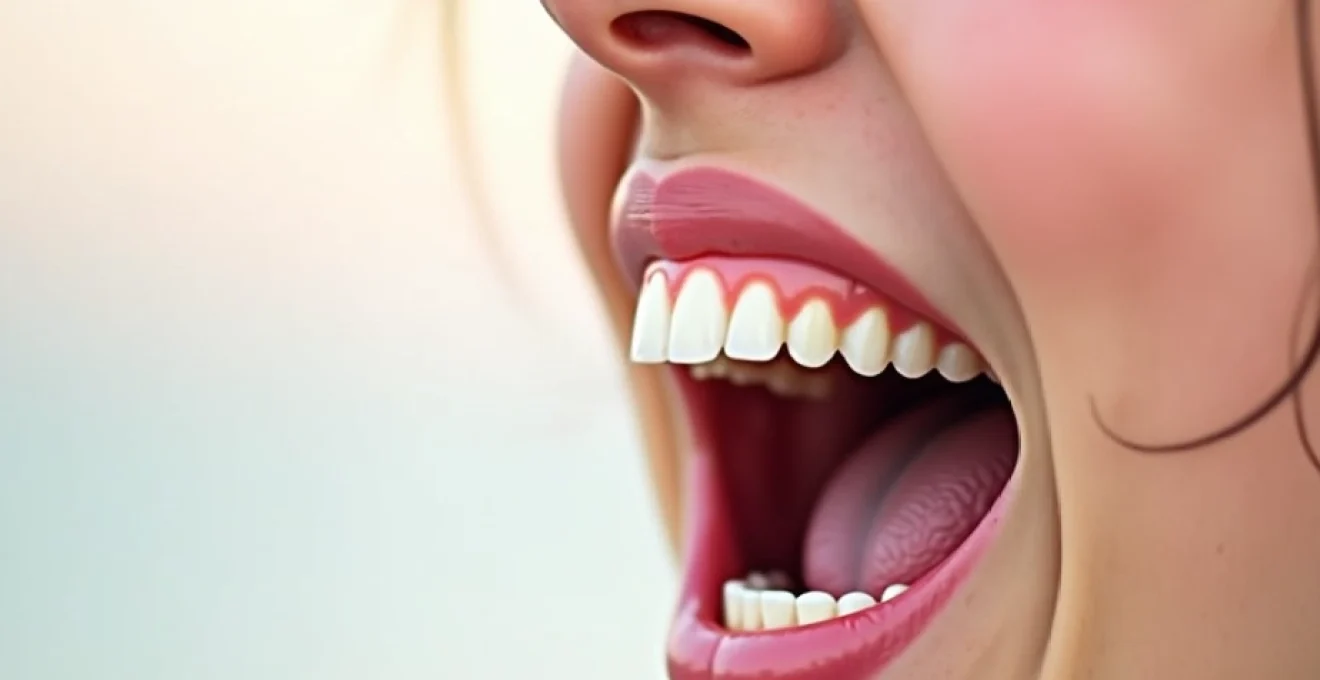
An itchy sensation affecting the roof of your mouth, medically known as palatal pruritus, can range from a mild annoyance to a symptom requiring immediate medical attention. This uncomfortable condition affects millions of people worldwide and stems from diverse underlying causes, including allergic reactions, infectious agents, autoimmune disorders, and systemic diseases. Understanding the root cause of your palatal discomfort is crucial for implementing appropriate treatment strategies and preventing potential complications. The hard and soft palate regions contain numerous nerve endings and blood vessels, making them particularly sensitive to various irritants and pathological processes.
Allergic reactions triggering palatal pruritus
Allergic responses represent the most prevalent cause of itchy roof of mouth symptoms, affecting approximately 25% of adults experiencing oral discomfort. The immune system’s hypersensitive reaction to specific allergens triggers inflammatory mediators, including histamine and leukotrienes, which directly stimulate nerve endings in the palatal tissues. This inflammatory cascade creates the characteristic itching, burning, or tingling sensations that patients frequently describe.
The palatal mucosa’s rich vascular supply makes it particularly susceptible to allergic inflammation. When exposed to allergens, mast cells within the oral tissues degranulate rapidly, releasing chemical mediators that increase vascular permeability and nerve sensitivity. This process can occur within minutes of allergen exposure, explaining why some individuals experience immediate onset of symptoms following contact with trigger substances.
Food Allergen-Induced oral allergy syndrome
Oral allergy syndrome (OAS) affects approximately 60% of individuals with seasonal pollen allergies, creating cross-reactive responses to structurally similar proteins found in certain foods. This condition primarily develops in teenagers and adults, rarely affecting children under five years of age. The syndrome typically manifests as localised itching, tingling, or swelling confined to the oral cavity, including the roof of the mouth.
Common trigger foods include tree fruits such as apples, cherries, and peaches, alongside raw vegetables like carrots, celery, and tomatoes. Nuts, particularly hazelnuts and almonds, frequently provoke symptoms in susceptible individuals. Interestingly, cooking or processing these foods often eliminates the allergenic proteins, allowing many patients to consume cooked versions without experiencing adverse reactions.
Seasonal pollen Cross-Reactivity with fresh fruits
The phenomenon of cross-reactivity occurs when proteins in pollens share structural similarities with proteins found in certain foods. Birch pollen allergy, affecting 15-20% of hay fever sufferers , commonly cross-reacts with proteins in stone fruits, tree nuts, and certain vegetables. This creates a predictable pattern where individuals experience oral symptoms primarily during specific pollen seasons or year-round if consuming trigger foods regularly.
Ragweed pollen demonstrates significant cross-reactivity with melons, bananas, and zucchini, while grass pollen allergies may trigger reactions to tomatoes and citrus fruits. Understanding these cross-reactive patterns enables healthcare providers to predict potential food triggers and counsel patients appropriately regarding dietary modifications during peak pollen seasons.
Drug hypersensitivity reactions affecting oral mucosa
Medication-induced oral allergic reactions can manifest as palatal itching, particularly with antibiotics, non-steroidal anti-inflammatory drugs, and certain antihypertensive medications. Beta-lactam antibiotics, including penicillins and cephalosporins, rank among the most common pharmaceutical triggers of oral allergic symptoms. These reactions typically develop within hours of medication administration and may progress to more severe manifestations if exposure continues.
Angiotensin-converting enzyme (ACE) inhibitors occasionally produce delayed-onset oral symptoms, including persistent palatal itching that may develop weeks or months after initiating therapy. This delayed presentation often complicates diagnosis, as patients and healthcare providers may not immediately connect the symptoms to recently prescribed medications.
Contact allergens from dental materials and mouthwashes
Dental materials, including amalgam fillings, composite resins, and orthodontic appliances, can trigger contact allergic reactions in susceptible individuals. Nickel, a common component in orthodontic hardware, represents one of the most prevalent contact allergens affecting the oral cavity. Symptoms typically develop gradually over days or weeks following exposure to the offending material.
Commercial mouthwashes containing alcohol, fluoride compounds, or preservatives may induce contact sensitivity reactions manifesting as palatal itching or burning. Essential oils commonly found in “natural” oral care products, including tea tree oil, peppermint, and eucalyptus, can paradoxically trigger allergic responses in sensitive individuals despite their perceived safety profile.
Infectious pathogens causing oral cavity irritation
Various infectious agents can colonise or invade oral tissues, creating inflammatory responses that manifest as itching, burning, or discomfort affecting the roof of the mouth. Bacterial, viral, and fungal pathogens each demonstrate distinct patterns of infection and symptom presentation. The oral cavity’s unique microenvironment, characterised by constant moisture, varying pH levels, and abundant microbial flora, creates ideal conditions for opportunistic pathogen proliferation.
Immune status significantly influences susceptibility to oral infections, with immunocompromised individuals experiencing higher rates of serious oral pathogen colonisation. Factors such as diabetes, immunosuppressive medications, chemotherapy, and advanced age can predispose individuals to recurrent or persistent oral infections manifesting as palatal symptoms.
Candida albicans overgrowth in immunocompromised patients
Oral candidiasis, commonly known as thrush, affects approximately 5-7% of healthy adults and up to 20% of immunocompromised individuals . This fungal infection typically presents as white, removable plaques on the tongue, inner cheeks, and palatal surfaces, often accompanied by underlying erythema and discomfort. However, erythematous candidiasis can present without visible plaques, manifesting primarily as burning or itching sensations affecting the roof of the mouth.
Risk factors for oral candidiasis include recent antibiotic use, corticosteroid therapy, diabetes mellitus, and xerostomia (dry mouth). The condition demonstrates a predilection for areas of mechanical trauma or irritation, such as beneath ill-fitting dentures or around orthodontic appliances. Chronic forms of oral candidiasis may present with persistent low-grade symptoms, including subtle palatal itching that patients often dismiss as minor irritation.
Herpes simplex virus reactivation patterns
Herpes simplex virus type 1 (HSV-1) establishes lifelong latency in trigeminal ganglia, periodically reactivating to cause recurrent oral lesions. While primary infections typically manifest as extensive gingivostomatitis, recurrent episodes often present as localised lesions affecting the lips, gums, or hard palate. Prodromal symptoms, including itching, tingling, or burning sensations, frequently precede visible lesion development by 12-48 hours.
Stress, immunosuppression, UV exposure, and hormonal fluctuations can trigger HSV-1 reactivation episodes. Intraoral recurrences predominantly affect keratinised tissues, including the hard palate and gingiva, distinguishing them from aphthous ulcers, which typically occur on non-keratinised surfaces. Recognition of prodromal symptoms enables early intervention with antiviral therapy, potentially reducing lesion severity and duration.
Streptococcal pharyngitis with palatal involvement
Group A streptococcal infections can extend beyond the pharynx to affect palatal tissues, creating inflammatory responses that manifest as itching, pain, or discomfort. Streptococcal pharyngitis affects 15-30% of paediatric sore throat cases and 5-10% of adult cases , with palatal involvement occurring in approximately 20% of confirmed infections. The condition typically presents with rapid onset of symptoms, including fever, dysphagia, and palatal erythema.
Palatal petechiae, small red or purple spots resulting from capillary bleeding, represent a characteristic finding in streptococcal pharyngitis. These lesions may itch or feel uncomfortable, particularly during swallowing or speech. Prompt recognition and treatment with appropriate antibiotics prevent potential complications, including rheumatic fever and post-streptococcal glomerulonephritis.
Human papillomavirus lesions on hard palate
Human papillomavirus (HPV) can cause benign epithelial proliferations affecting various oral sites, including the hard palate. These lesions, termed oral squamous papillomas, typically present as painless, cauliflower-like growths that may occasionally itch or feel irritated. HPV types 6, 11, 16, and 18 most commonly affect oral tissues, with types 16 and 18 carrying higher malignant transformation potential.
While most oral HPV lesions remain asymptomatic, larger lesions or those subject to mechanical trauma may develop secondary inflammation, leading to itching or discomfort. The prevalence of oral HPV infection has increased significantly in recent decades, particularly among younger adults, correlating with changing sexual practices and HPV vaccination patterns.
Autoimmune disorders manifesting as palatal symptoms
Autoimmune conditions affecting oral tissues can produce chronic inflammatory responses that manifest as persistent or recurrent palatal itching, burning, or discomfort. These disorders result from aberrant immune system activity directed against the body’s own tissues, creating ongoing inflammation that resists conventional symptomatic treatments. The oral cavity represents a common target for autoimmune activity due to its complex immune surveillance mechanisms and constant exposure to antigenic stimuli.
Oral lichen planus, an autoimmune mucocutaneous disorder, affects approximately 1-2% of the population , with a female predominance of 2:1. This condition typically manifests as bilateral white, lacy patterns (Wickham’s striae) on the buccal mucosa, but can also affect the palate, causing persistent itching or burning sensations. The reticular form generally remains asymptomatic, while erosive variants cause significant discomfort and may predispose to malignant transformation.
Pemphigus vulgaris and mucous membrane pemphigoid represent severe autoimmune blistering disorders that frequently involve oral tissues before affecting skin surfaces. These conditions create painful erosions and ulcerations that may initially present as subtle palatal irritation or itching before progressing to more obvious lesions. Early recognition is crucial, as these disorders can be life-threatening without appropriate immunosuppressive therapy.
The complexity of autoimmune oral manifestations requires careful evaluation by experienced clinicians, as early symptoms may be subtle and easily dismissed as minor irritation.
Behçet’s disease, a systemic vasculitis, commonly presents with recurrent oral ulcerations affecting various intraoral sites, including the palate. These lesions typically develop in crops, healing spontaneously over 7-14 days before recurring in cycles. Patients often experience prodromal symptoms, including localised itching or burning, preceding ulcer development. The diagnosis requires recognition of the characteristic pattern of recurrent oral and genital ulcerations alongside other systemic manifestations.
Mechanical trauma and thermal injury to palatine tissues
Physical trauma to palatal tissues commonly results from various mechanical and thermal insults that damage the delicate mucosal surfaces. These injuries trigger inflammatory responses that can manifest as itching, particularly during the healing process when new nerve endings regenerate and tissue repair mechanisms activate. The hard palate’s location and relatively thin mucosal covering make it particularly susceptible to traumatic injury from hot foods, sharp objects, or mechanical friction.
Acute thermal burns from hot foods or beverages represent frequent causes of palatal injury, affecting the superficial epithelium and underlying connective tissues. These injuries typically heal within 7-14 days but may produce persistent itching or altered sensation during the regeneration process. Chronic low-grade trauma from ill-fitting dental appliances, aggressive tooth brushing, or parafunctional habits can create ongoing irritation and inflammatory responses.
Mechanical trauma from dental procedures, including impressions, restorative work, or oral surgery, can temporarily disrupt normal palatal tissues. Post-procedural inflammation may manifest as itching, swelling, or altered sensation that gradually resolves as tissues heal. Sharp food particles, such as corn chips or hard candies, can create microscopic lacerations that become secondarily infected or inflamed, prolonging symptoms and delaying healing.
Prevention of mechanical trauma through careful food selection and proper dental appliance fit often proves more effective than treating resulting inflammatory symptoms.
Chronic tongue thrusting or pressing habits can create persistent pressure against the palate, leading to tissue remodelling and chronic low-grade inflammation. These parafunctional behaviours often develop subconsciously and may require behavioural modification therapy alongside symptomatic treatment. The resulting tissue changes can persist long after the causative behaviour ceases, requiring extended healing periods for complete symptom resolution.
Systemic conditions with oral manifestations
Numerous systemic diseases demonstrate oral manifestations that may include palatal symptoms such as itching, burning, or altered sensation. These conditions often affect multiple organ systems simultaneously, with oral symptoms serving as early indicators of underlying pathology. Recognition of oral signs and symptoms can facilitate earlier diagnosis and intervention for serious systemic disorders.
The oral cavity’s rich vascular supply and direct connection to systemic circulation make it sensitive to metabolic disturbances, hormonal fluctuations, and systemic inflammatory processes. Changes in saliva production, composition, or flow can significantly impact oral comfort and predispose to various complications affecting palatal tissues.
Diabetes Mellitus-Related oral complications
Diabetes mellitus affects oral health through multiple mechanisms, including altered immune function, impaired wound healing, and changes in salivary composition and flow. Approximately 22% of diabetic patients experience oral complications, with palatal symptoms representing common early manifestations of poor glycaemic control. Hyperglycaemia creates favourable conditions for pathogenic bacterial and fungal proliferation, increasing infection risk and inflammatory responses.
Diabetic patients demonstrate increased susceptibility to oral candidiasis, which frequently affects palatal tissues and may present initially as itching or burning sensations. Salivary glucose elevation in poorly controlled diabetes provides nutrients for Candida albicans growth, while impaired immune function reduces the body’s ability to control fungal proliferation. Periodontal disease, another common diabetic complication, can create chronic inflammatory mediators that affect distant oral tissues, including the palate.
Gastroesophageal reflux disease impact on palatal mucosa
Gastroesophageal reflux disease (GERD) affects approximately 20% of adults in developed countries, with oral manifestations occurring in up to 40% of cases. Acid reflux can reach the oral cavity, particularly during nocturnal episodes when patients lie supine, creating direct chemical irritation of palatal tissues. The acidic environment disrupts normal oral pH balance and can cause chemical burns to delicate mucosal surfaces.
Chronic acid exposure leads to characteristic enamel erosion patterns and soft tissue changes that may include palatal erythema, ulceration, or persistent irritation manifesting as itching or burning. Patients often report symptoms that worsen upon awakening, corresponding to nocturnal reflux episodes. Treatment requires addressing the underlying reflux condition alongside symptomatic management of oral complications.
Xerostomia from sjögren’s syndrome
Sjögren’s syndrome, an autoimmune disorder affecting salivary and lacrimal glands, causes progressive xerostomia (dry mouth) in virtually all patients. This condition affects approximately 0.5-1% of the population , with a strong female predominance (9:1 ratio). Reduced saliva production eliminates the oral cavity’s natural cleansing and protective mechanisms, predisposing to various complications that may manifest as palatal symptoms.
Severe xerostomia creates ideal conditions for opportunistic infections, tissue desiccation, and mechanical trauma from reduced lubrication. Patients frequently experience burning mouth syndrome, which may include palatal itching or discomfort that worsens throughout the day as salivary function further diminishes. The condition often progresses gradually, with early symptoms being subtle and easily attributed to other causes.
Vitamin B12 deficiency presenting as oral symptoms
Vitamin B12 deficiency affects approximately 6% of adults under 60 and 20% of adults
over 60 and can produce various oral manifestations, including glossitis, angular cheilitis, and burning mouth syndrome. This nutritional deficiency often develops gradually, making early symptoms easy to overlook or attribute to other causes. Patients frequently experience metallic taste, oral pain, and generalised mucosal irritation that may include palatal itching or burning sensations.
The pathophysiology involves impaired DNA synthesis and cellular regeneration, particularly affecting rapidly dividing oral epithelial cells. Megaloblastic changes in oral tissues create areas of increased sensitivity and altered nerve function, contributing to abnormal sensations including itching. Risk factors include vegetarian diets, malabsorption disorders, gastric surgery, and certain medications that interfere with B12 absorption or metabolism.
Diagnosis requires serum B12 measurement alongside evaluation of methylmalonic acid and homocysteine levels, which become elevated before frank B12 deficiency develops. Treatment with cyanocobalamin or hydroxocobalamin supplementation typically resolves oral symptoms within 2-8 weeks, though neurological manifestations may require longer treatment periods. Patients with severe deficiency may require initial parenteral administration followed by high-dose oral supplementation.
Early recognition of B12 deficiency through oral symptoms can prevent progression to irreversible neurological complications, including peripheral neuropathy and cognitive impairment. Healthcare providers should maintain high suspicion for this condition in patients presenting with unexplained oral symptoms, particularly those with known risk factors or dietary restrictions. The reversible nature of early B12 deficiency makes prompt diagnosis and treatment crucial for optimal patient outcomes.
Understanding the interconnected nature of oral and systemic health enables clinicians to recognise when local symptoms may indicate broader health concerns requiring comprehensive evaluation and management.
The complexity of palatal itching causes underscores the importance of thorough clinical evaluation when patients present with persistent or recurrent symptoms. While many cases result from relatively benign conditions such as food allergies or minor trauma, some manifestations may indicate serious underlying pathology requiring immediate intervention. A systematic approach to diagnosis, considering patient history, physical examination findings, and appropriate diagnostic testing, enables healthcare providers to develop targeted treatment strategies that address both symptomatic relief and underlying causative factors.
Recognition patterns vary significantly among different conditions, with allergic reactions typically demonstrating rapid onset and clear temporal relationships to trigger exposures, while infectious causes may present with accompanying systemic symptoms or characteristic lesion patterns. Autoimmune disorders often display chronic, relapsing courses with bilateral involvement, whereas mechanical trauma usually demonstrates clear anatomical correlation with causative factors. Understanding these diagnostic patterns enhances clinical decision-making and improves patient outcomes through appropriate early intervention strategies.