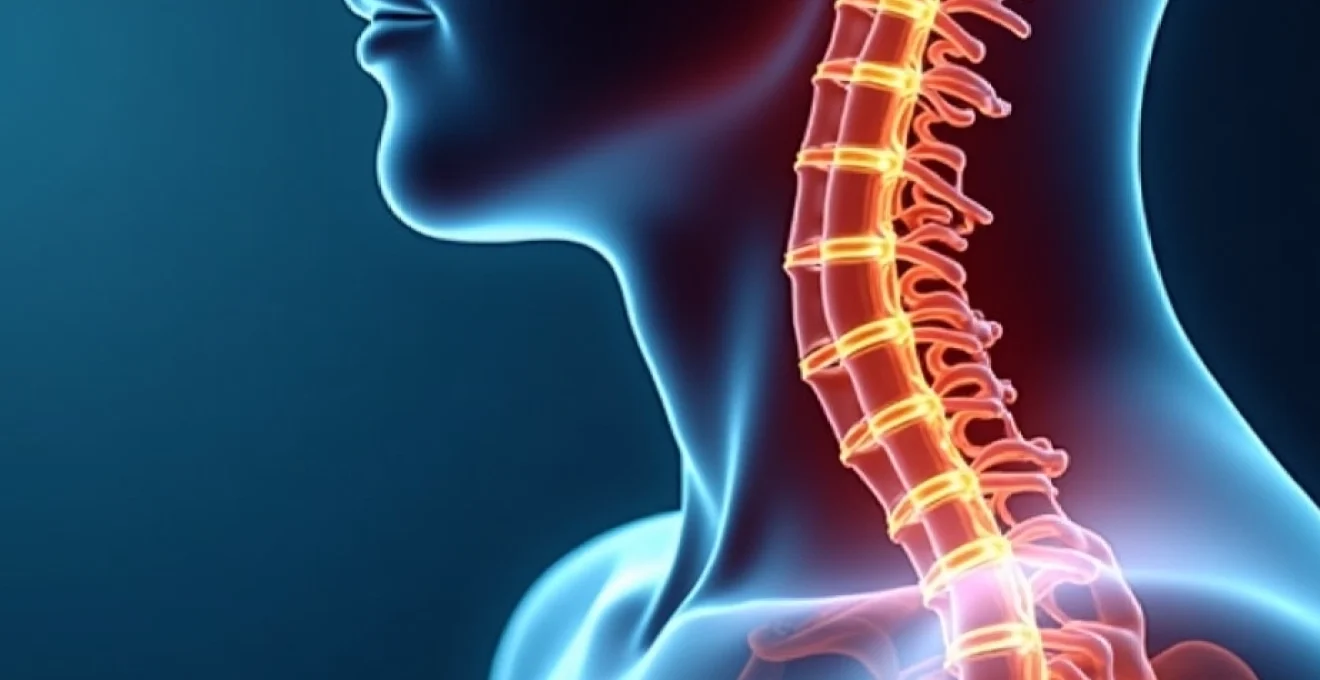
Distinguishing between multiple sclerosis and spinal stenosis presents one of medicine’s most challenging diagnostic puzzles. Both conditions can produce remarkably similar neurological symptoms, including weakness, numbness, and mobility difficulties, yet they require entirely different treatment approaches. The complexity arises because both disorders affect the spinal cord and can manifest with progressive neurological deterioration. Understanding the subtle differences between these conditions becomes crucial for patients experiencing unexplained neurological symptoms and for healthcare providers seeking accurate diagnoses. Early recognition and proper differentiation can dramatically impact treatment outcomes and long-term prognosis for affected individuals.
Understanding multiple sclerosis pathophysiology and neurological manifestations
Multiple sclerosis represents an autoimmune disorder characterised by immune system attacks on the central nervous system’s protective myelin sheath. This demyelinating process creates inflammatory lesions throughout the brain, spinal cord, and optic nerves, disrupting normal nerve signal transmission. Unlike traditional autoimmune diseases, MS lacks an identifiable triggering antigen, making its underlying mechanism particularly enigmatic. The immune system’s T-cells inexplicably target myelin-producing oligodendrocytes, leading to widespread neuroinflammation and progressive neurological dysfunction.
The pathophysiology of MS involves complex interactions between genetic susceptibility, environmental factors, and immune system dysfunction. Research suggests that molecular mimicry may play a role, where viral proteins structurally similar to myelin proteins trigger cross-reactive immune responses. This process results in focal areas of demyelination called plaques or lesions, which appear as characteristic bright spots on magnetic resonance imaging. The location and extent of these lesions directly correlate with the specific neurological symptoms experienced by individual patients.
Demyelination patterns in central nervous system lesions
MS lesions exhibit distinctive patterns throughout the central nervous system, with specific predilection sites that aid in diagnosis. Brain lesions commonly occur in periventricular areas, juxtacortical regions, and the brainstem, creating the classic “fingers of Dawson” appearance on sagittal MRI sequences. Spinal cord lesions typically present as short, focal areas of demyelination spanning one to two vertebral segments. These lesions predominantly affect the cervical and thoracic regions, with approximately two-thirds of MS patients developing spinal involvement during their disease course.
The temporal evolution of MS lesions provides crucial diagnostic information. Active lesions demonstrate gadolinium enhancement on MRI, indicating blood-brain barrier disruption and ongoing inflammation. Chronic lesions appear as T2-hyperintense areas without enhancement, representing established demyelinated tissue with varying degrees of remyelination. This dynamic process of lesion formation, resolution, and accumulation underlies the characteristic relapsing-remitting pattern observed in most MS cases.
Relapsing-remitting vs progressive MS symptom presentations
Relapsing-remitting MS affects approximately 85% of newly diagnosed patients, characterised by distinct episodes of neurological dysfunction followed by periods of complete or partial recovery. These relapses typically develop over days to weeks, persist for several weeks, then gradually improve. Common relapse symptoms include optic neuritis, sensory disturbances, motor weakness, and coordination problems. The unpredictable nature of relapses creates significant uncertainty for patients, as symptoms can vary dramatically between episodes.
Progressive MS forms represent more ominous disease variants, with primary progressive MS demonstrating steady neurological deterioration from onset without distinct relapses. Secondary progressive MS develops when relapsing-remitting patients transition to continuous worsening, often accompanied by superimposed relapses. Progressive forms typically present with gradual mobility impairment, particularly affecting lower extremity function and gait stability. This progressive pattern often complicates differential diagnosis , as it can closely mimic the gradual onset characteristic of spinal stenosis.
Mcdonald criteria for MS diagnosis and MRI findings
The McDonald criteria establish standardised diagnostic requirements for MS, emphasising dissemination in space and time through clinical and radiological evidence. These criteria require demonstration of central nervous system lesions separated both anatomically and temporally, excluding alternative diagnoses. MRI plays a pivotal role, with specific requirements including brain lesions in at least two characteristic locations and spinal cord lesions meeting defined morphological criteria.
Contemporary MRI protocols utilise high-resolution T2-weighted and FLAIR sequences to optimise lesion detection. Gadolinium-enhanced T1-weighted images identify active inflammation, while T2-hyperintense lesions reveal cumulative disease burden. The presence of cortical lesions, though challenging to detect, provides additional diagnostic specificity. Modern 3-Tesla MRI systems demonstrate superior sensitivity for detecting subtle lesions, particularly in cortical grey matter regions previously underappreciated in MS pathology.
Oligoclonal bands and cerebrospinal fluid analysis
Cerebrospinal fluid analysis provides valuable supportive evidence for MS diagnosis, particularly when imaging findings remain equivocal. Oligoclonal bands represent immunoglobulin G antibodies produced by clonally expanded B-cells within the central nervous system. These bands appear in approximately 95% of MS patients, indicating intrathecal immune activity characteristic of demyelinating disease. The presence of oligoclonal bands in CSF but not serum suggests local antibody production within the central nervous system.
Additional CSF parameters include elevated protein levels, mild lymphocytic pleocytosis, and increased IgG index values. These findings collectively support chronic inflammatory activity within the central nervous system. However, CSF analysis alone cannot establish MS diagnosis, requiring integration with clinical presentation and imaging findings. The procedure carries minimal risks when performed by experienced practitioners, though lumbar puncture remains invasive compared to advanced neuroimaging techniques.
Spinal stenosis anatomy and biomechanical mechanisms
Spinal stenosis develops through gradual narrowing of the spinal canal, creating mechanical compression of neural structures. This degenerative process primarily affects the lumbar and cervical regions, where normal spinal lordosis creates increased biomechanical stress. The vertebral canal normally provides adequate space for the spinal cord and nerve roots, but age-related changes progressively reduce this critical volume. Understanding the anatomical variations and degenerative patterns helps differentiate stenotic symptoms from inflammatory demyelinating conditions like MS.
The pathophysiology involves multiple interconnected degenerative processes affecting various spinal structures simultaneously. Intervertebral disc degeneration initiates cascading changes throughout the motion segment, including facet joint arthropathy, ligamentum flavum hypertrophy, and osteophyte formation. These changes occur over decades, creating a mechanical rather than inflammatory basis for neurological symptoms. The gradual onset contrasts sharply with MS relapses, providing important diagnostic clues for healthcare providers.
Ligamentum flavum hypertrophy and canal narrowing
The ligamentum flavum undergoes characteristic thickening and calcification with advancing age, contributing significantly to central canal stenosis. This elastic ligament normally maintains spinal canal integrity during flexion and extension movements, but degenerative changes reduce its elasticity and increase its volume. Hypertrophic ligamentum flavum can compress the dura mater and underlying neural structures, particularly during spinal extension. This mechanical compression creates the classic neurogenic claudication symptoms associated with lumbar spinal stenosis.
Histological analysis reveals loss of elastic fibres and replacement with less compliant collagenous tissue. This transformation reduces the ligament’s ability to accommodate normal spinal movements while increasing its propensity to buckle into the spinal canal. The resulting compression typically affects the posterior aspect of the spinal canal , creating characteristic imaging findings on sagittal MRI sequences. Understanding this mechanism helps clinicians distinguish mechanical compression from inflammatory lesions seen in demyelinating diseases.
Facet joint arthropathy and osteophyte formation
Facet joint degeneration represents a crucial component of spinal stenosis pathophysiology, creating both central and lateral recess narrowing. These synovial joints undergo cartilage loss, subchondral sclerosis, and osteophyte formation similar to appendicular arthritis. The degenerative process affects joint mechanics and stability, leading to compensatory bone formation that further compromises neural foraminal dimensions. Facet joint hypertrophy particularly affects the lateral recesses where nerve roots exit the spinal canal.
The temporal progression of facet arthropathy typically spans decades, creating insidious onset of symptoms that contrasts with acute MS relapses. Joint space narrowing and osteophyte formation create mechanical irritation of traversing nerve roots, producing radicular symptoms that may mimic MS-related neurological dysfunction. Advanced imaging demonstrates joint space narrowing, subchondral cyst formation, and periarticular osteophyte development characteristic of degenerative arthropathy.
Congenital vs acquired stenosis classifications
Congenital spinal stenosis affects approximately 9% of cases, resulting from developmental abnormalities that create inherently narrow spinal canals. These patients often develop symptoms earlier in life when superimposed degenerative changes further compromise already limited canal dimensions. Achondroplastic stenosis represents the most severe congenital variant, affecting multiple spinal levels simultaneously. Developmental stenosis typically demonstrates specific morphological characteristics on cross-sectional imaging, including trefoil-shaped canals and short pedicles.
Acquired stenosis develops through degenerative processes affecting previously normal spinal anatomy. This form accounts for the majority of symptomatic cases, typically manifesting in patients over 50 years of age. The combination of disc degeneration, ligamentum flavum hypertrophy, and facet arthropathy creates progressive canal narrowing over time. Understanding these classifications helps predict symptom progression and treatment responses compared to the unpredictable course characteristic of MS relapses.
Neurogenic claudication and vascular compromise
Neurogenic claudication represents the pathognomonic symptom complex of lumbar spinal stenosis, characterised by exercise-induced lower extremity symptoms that improve with forward flexion. This phenomenon results from mechanical compression of neural structures during spinal extension, combined with relative ischaemia of compressed nerve roots. The vascular compromise theory suggests that stenotic narrowing reduces blood flow to neural tissues during increased metabolic demands associated with walking or standing.
The flexion relief sign provides crucial diagnostic differentiation from vascular claudication and MS-related mobility impairment. Patients typically experience symptom relief when leaning forward on shopping trolleys or walking uphill, positions that increase spinal canal dimensions through flexion. This mechanical relationship between posture and symptoms contrasts sharply with MS-related fatigue and weakness, which typically worsen with heat exposure and improve with rest regardless of spinal position.
Differential diagnostic imaging protocols and interpretation
Advanced neuroimaging serves as the cornerstone for differentiating MS from spinal stenosis, requiring specific protocols optimised for each condition. MRI techniques must adequately visualise both inflammatory demyelinating lesions and mechanical structural abnormalities affecting the spinal canal. The imaging approach differs significantly between suspected demyelinating disease and degenerative spinal conditions, necessitating tailored protocols based on clinical presentation. Radiological interpretation requires understanding of characteristic features for each condition, including lesion morphology, enhancement patterns, and anatomical distribution.
Modern MRI technology provides unprecedented detail for evaluating both conditions, though each requires specific sequence optimisation for optimal diagnostic accuracy. MS protocols emphasise T2-weighted and FLAIR sequences for lesion detection, while spinal stenosis evaluation requires detailed anatomical imaging of bony and soft tissue structures. The temporal evolution of imaging findings also differs substantially, with MS demonstrating dynamic lesion formation and resolution, while stenosis shows progressive structural changes over years. Proper imaging interpretation requires correlation with clinical symptoms and physical examination findings to establish accurate diagnoses.
T2-weighted FLAIR sequences for MS lesion detection
Fluid-attenuated inversion recovery (FLAIR) sequences provide superior contrast for detecting MS lesions by suppressing cerebrospinal fluid signal while highlighting periventricular and cortical abnormalities. These sequences demonstrate particular sensitivity for juxtacortical and subcortical lesions that may appear subtle on conventional T2-weighted images. FLAIR imaging optimally visualises the characteristic periventricular distribution of MS plaques, including the classic “fingers of Dawson” pattern extending perpendicular to ventricular surfaces.
Contemporary 3-Tesla FLAIR protocols achieve superior spatial resolution and contrast-to-noise ratios compared to lower field strength systems. Double inversion recovery sequences further enhance cortical lesion detection, revealing grey matter involvement previously underappreciated in MS pathology. These advanced sequences demonstrate significantly higher lesion detection rates compared to conventional spin-echo techniques, improving diagnostic confidence and enabling earlier therapeutic intervention.
Gadolinium enhancement patterns in active demyelination
Gadolinium-enhanced T1-weighted imaging identifies actively inflamed MS lesions through blood-brain barrier disruption, providing crucial information about disease activity and temporal evolution. Active lesions typically demonstrate homogeneous or ring-like enhancement patterns, persisting for 4-6 weeks during acute inflammatory phases. The presence of enhancing lesions indicates ongoing demyelinating activity, influencing treatment decisions and prognosis assessment.
Enhancement patterns help distinguish acute from chronic MS lesions, with active lesions showing avid gadolinium uptake while chronic lesions remain non-enhancing. This temporal information proves invaluable for establishing dissemination in time criteria required for MS diagnosis.
The dynamic nature of enhancement patterns contrasts sharply with the static structural abnormalities characteristic of spinal stenosis, providing clear diagnostic differentiation.
Serial MRI studies demonstrate lesion evolution over time, supporting MS diagnosis when clinical criteria remain incomplete.
Myelographic CT findings in lumbar stenosis
CT myelography provides detailed visualisation of spinal canal narrowing and nerve root compression in patients unsuitable for MRI imaging. This technique involves intrathecal contrast injection followed by high-resolution CT scanning, demonstrating precise anatomical relationships between compressive structures and neural elements. Myelographic findings include complete or partial block of contrast flow, nerve root cut-off signs, and detailed visualisation of lateral recess stenosis.
The cross-sectional area measurements obtained through CT myelography correlate with symptom severity and surgical outcomes in spinal stenosis patients. Normal lumbar canal areas exceed 100 square millimetres, while severe stenosis typically demonstrates areas below 75 square millimetres. These quantitative measurements provide objective criteria for assessing stenosis severity and monitoring progression over time. The precise anatomical detail afforded by myelographic studies enables accurate surgical planning and outcome prediction.
Cervical cord compression assessment on sagittal MRI
Sagittal MRI sequences provide optimal visualisation of cervical spinal cord compression, demonstrating the relationship between degenerative changes and neural compression. T2-weighted sagittal images reveal cord signal abnormalities associated with myelopathy, including increased T2 signal intensity within compressed cord segments. These signal changes may represent oedema, ischaemia, or early myelomalacia depending on compression severity and duration.
Morphological assessment includes measurement of canal dimensions, cord compression ratios, and identification of dynamic instability on flexion-extension studies. The presence of T2 hyperintensity within the spinal cord suggests established myelopathy requiring urgent intervention to prevent irreversible damage. Gradient-echo sequences enhance visualisation of osteophytes and ligamentous structures contributing to compression, providing comprehensive anatomical assessment for surgical planning.
Clinical symptomatology and neurological examination findings
The clinical presentation of MS and spinal stenosis demonstrates both similarities and crucial differences that guide diagnostic reasoning. MS typically presents with multifocal neurological symptoms reflecting widespread central nervous system involvement, while spinal stenosis produces more localised symptoms corresponding to specific levels of neural compression. Understanding the temporal patterns, symptom distribution, and response to positional changes provides essential diagnostic clues. The neurological examination reveals distinct patterns of dysfunction that help differentiate inflammatory demyelinating disease from mechanical compression syndromes.
MS symptoms often demonstrate a relapsing-remitting pattern with acute onset followed by variable recovery, contrasting with the progressive, activity-related symptoms typical of spinal stenosis. The unpredictable nature of MS relapses creates diagnostic challenges, particularly when patients present during periods of clinical stability between episodes. Spinal stenosis symptoms typically worsen with activity and improve with rest, demonstrating clear mechanical relationships that distinguish them from inflammatory conditions. Physical examination findings reflect these pathophysiological differences, requiring systematic assessment of motor, sensory, and reflex functions.
Women develop MS at rates 2-3 times higher than men, with peak onset typically occurring between ages 20-40 years. This demographic pattern contrasts with spinal stenosis, which affects both sexes equally and predominantly occurs after age 50. The age of symptom onset provides important diagnostic context, though overlap exists between conditions
between conditions, particularly when stenosis affects younger patients with congenital predisposition or when MS presents later in life with progressive forms.
The distribution of neurological symptoms provides crucial diagnostic differentiation between these conditions. MS typically produces asymmetric, multifocal deficits reflecting the random distribution of demyelinating lesions throughout the central nervous system. Patients may experience simultaneous involvement of visual, motor, sensory, and cognitive systems in patterns that cannot be explained by single anatomical lesions. In contrast, spinal stenosis creates predictable symptom patterns corresponding to specific spinal levels and nerve root distributions, following recognised dermatome and myotome patterns.
Temperature sensitivity represents a pathognomonic feature of MS, with many patients experiencing symptom exacerbation during hot weather or following exercise-induced hyperthermia. This phenomenon, known as Uhthoff’s sign, reflects impaired nerve conduction in demyelinated fibres when body temperature increases. Spinal stenosis symptoms typically demonstrate the opposite pattern, with warmth often providing symptomatic relief through muscle relaxation and improved blood flow to compressed neural structures. The response to temperature changes can provide valuable diagnostic information during clinical assessment.
Electrophysiological testing and nerve conduction studies
Electrophysiological studies provide objective assessment of nervous system function, offering complementary information to clinical examination and imaging findings. These tests measure electrical activity within nerves and muscles, detecting abnormalities that may not be apparent through conventional assessment methods. Visual evoked potentials demonstrate particular value in MS diagnosis, revealing subclinical optic nerve dysfunction even when patients report no visual symptoms. The technique measures the speed and amplitude of electrical signals travelling from the retina to the visual cortex, with demyelination causing characteristic delays and amplitude reductions.
Somatosensory evoked potentials assess spinal cord function by measuring electrical responses to peripheral nerve stimulation. Delays in signal transmission suggest central nervous system pathology, though the technique cannot reliably distinguish between inflammatory and compressive causes. Motor evoked potentials, stimulated through transcranial magnetic stimulation, evaluate motor pathway integrity from cortex to muscle. These studies demonstrate particular sensitivity for detecting subclinical corticospinal tract dysfunction in both MS and cervical myelopathy. The combination of multiple evoked potential modalities increases diagnostic specificity for central nervous system disorders.
Nerve conduction studies and electromyography provide detailed assessment of peripheral nervous system function, helping exclude alternative diagnoses that may mimic central nervous system pathology. These studies measure nerve conduction velocities, action potential amplitudes, and muscle electrical activity patterns. In spinal stenosis, electromyographic findings may reveal chronic denervation changes in muscles innervated by compressed nerve roots. The pattern of electromyographic abnormalities typically corresponds to specific myotomal distributions, contrasting with the more diffuse patterns associated with central nervous system demyelination. F-wave studies assess proximal nerve root function, demonstrating particular sensitivity for detecting radiculopathy associated with lateral recess stenosis.
The temporal evolution of electrophysiological abnormalities provides additional diagnostic information. MS typically demonstrates fluctuating abnormalities corresponding to relapse and remission cycles, while spinal stenosis shows progressive deterioration paralleling structural changes. Serial studies can monitor disease progression and treatment responses, offering objective measures of neurological function. However, electrophysiological studies cannot definitively distinguish between MS and spinal stenosis when used in isolation, requiring integration with clinical and imaging findings for accurate diagnosis.
Treatment response patterns and prognostic indicators
The response to therapeutic interventions provides valuable diagnostic and prognostic information for differentiating MS from spinal stenosis. MS treatment focuses on immunomodulation and anti-inflammatory strategies, while spinal stenosis management emphasises mechanical decompression and conservative measures. Disease-modifying therapies for MS, including interferons, glatiramer acetate, and newer oral agents, demonstrate efficacy in reducing relapse rates and slowing disease progression. The positive response to immunomodulatory treatment supports the inflammatory pathophysiology underlying MS and helps confirm the diagnosis when clinical criteria remain uncertain.
Corticosteroids provide rapid symptom improvement during acute MS relapses, typically producing noticeable benefits within days of administration. This dramatic response to anti-inflammatory treatment contrasts sharply with spinal stenosis, where corticosteroids provide minimal benefit except for short-term reduction of localised inflammation. Patients with MS often describe significant functional improvement following steroid treatment, while stenosis patients typically require mechanical interventions for meaningful symptom relief. The temporal pattern of treatment response provides important diagnostic clues, with MS demonstrating rapid improvement followed by gradual stabilisation, while stenosis shows gradual, sustained improvement following successful decompression.
Physical therapy approaches differ substantially between conditions, reflecting their distinct pathophysiological mechanisms. MS rehabilitation focuses on managing fatigue, improving balance, and maintaining functional capacity during periods of stability. Exercise tolerance in MS patients often correlates inversely with ambient temperature, requiring modified training protocols and environmental controls. Spinal stenosis rehabilitation emphasises postural modification, core strengthening, and flexibility training to reduce mechanical stress on neural structures. The flexion-based exercises that benefit stenosis patients may exacerbate certain MS symptoms, particularly when spasticity affects truncal muscles.
Surgical outcomes provide definitive diagnostic confirmation in cases where spinal stenosis was incorrectly suspected. Patients with true mechanical compression typically experience immediate and sustained improvement following decompressive procedures, while those with MS-related symptoms show minimal benefit or temporary placebo effects. The durability of surgical improvement over months to years strongly supports a mechanical rather than inflammatory aetiology. Conversely, patients who fail to improve following adequate decompression require reassessment for alternative diagnoses, including demyelinating disease. Long-term outcome studies demonstrate excellent results for appropriately selected stenosis patients, while inappropriately operated MS patients may experience disease progression unrelated to surgical intervention.
Prognostic indicators differ substantially between conditions, influencing long-term management strategies and patient counselling. MS prognosis depends on disease subtype, age at onset, and early treatment response, with relapsing-remitting forms generally demonstrating better outcomes than progressive variants. The presence of oligoclonal bands, high lesion load on initial MRI, and frequent early relapses predict more aggressive disease courses requiring intensive immunosuppression. Spinal stenosis prognosis correlates with the severity of canal narrowing, duration of symptoms, and presence of myelopathic changes on MRI. Patients with T2 signal abnormalities within the spinal cord demonstrate poorer surgical outcomes and higher risks of permanent neurological deficits.
The natural history of each condition provides additional prognostic information for patient counselling and treatment planning. MS typically follows an unpredictable course with periods of stability interrupted by relapses of variable severity and recovery. The transition from relapsing-remitting to secondary progressive forms occurs in approximately 50% of patients within 15 years of diagnosis, significantly worsening long-term prognosis. Spinal stenosis generally follows a more predictable course, with symptoms gradually worsening over years unless mechanical intervention is provided. The ability to predict symptom progression based on imaging findings allows for more accurate prognostic counselling and optimal timing of therapeutic interventions.