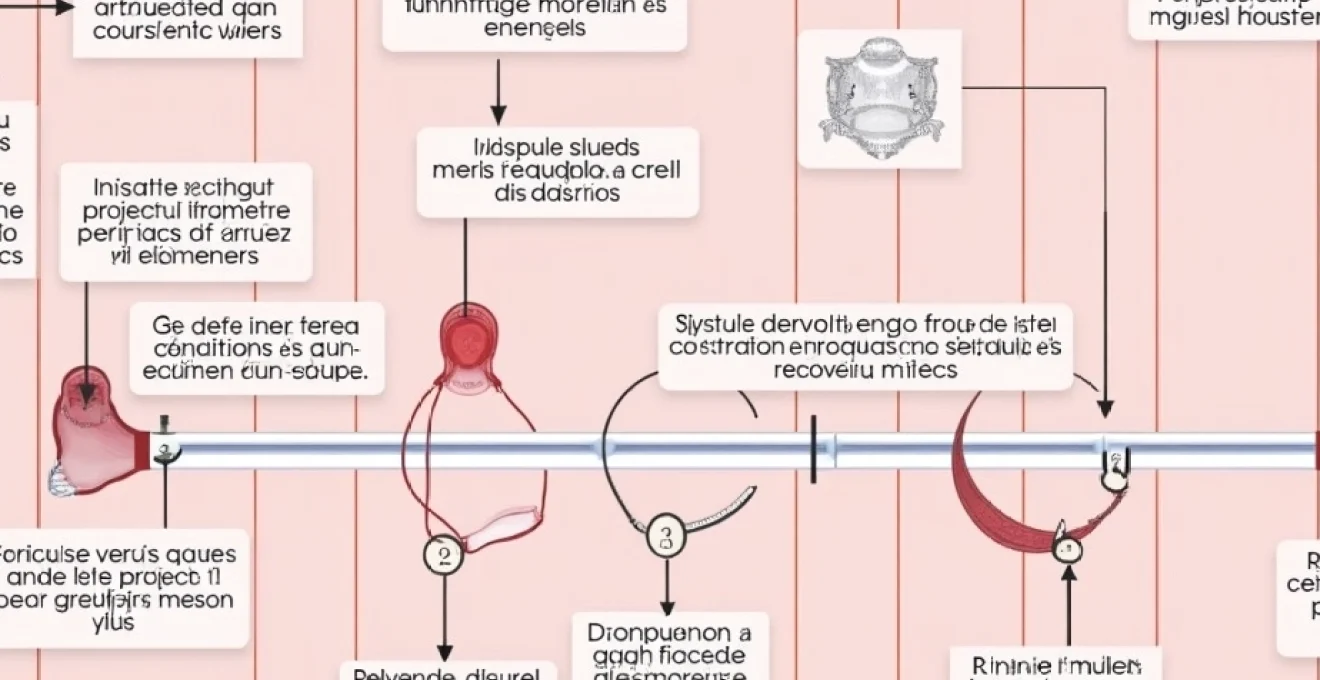
Hysteroscopic polypectomy combined with dilatation and curettage represents one of the most commonly performed minimally invasive gynaecological procedures for treating endometrial polyps. This sophisticated surgical approach allows surgeons to visualise the uterine cavity directly whilst simultaneously removing problematic tissue growths that can cause abnormal bleeding, fertility issues, or pelvic discomfort. Understanding the recovery timeline following this procedure is crucial for patients to plan appropriately and recognise normal healing patterns versus potential complications requiring medical attention.
The recovery process after hysteroscopic D&C polypectomy varies significantly between individuals, influenced by factors such as polyp size, location, patient age, and overall health status. Most women experience a relatively swift recovery , with many returning to normal activities within days rather than weeks. However, complete endometrial healing and tissue regeneration typically requires several weeks, during which specific precautions and activity restrictions must be observed to optimise outcomes and prevent complications.
Understanding hysteroscopic polypectomy with dilatation and curettage procedure
Hysteroscopic polypectomy with D&C combines two complementary surgical techniques to address endometrial pathology comprehensively. The procedure begins with the insertion of a hysteroscope through the cervical canal, providing direct visualisation of the uterine cavity using a high-definition camera system. This approach eliminates the guesswork associated with traditional blind curettage techniques, allowing surgeons to identify polyps precisely and assess their characteristics before removal.
Operative hysteroscopy technique for endometrial polyp removal
During operative hysteroscopy, surgeons employ specialised instruments to remove endometrial polyps whilst preserving surrounding healthy tissue. The hysteroscope accommodates various cutting devices, including electrosurgical loops, cold knife scissors, or mechanical grasping forceps, depending on polyp characteristics.
The key advantage of hysteroscopic polypectomy lies in its precision, allowing surgeons to remove polyps whilst minimising trauma to the endometrial lining.
This targeted approach reduces recovery time and preserves fertility potential compared to more aggressive surgical interventions.
Simultaneous D&C implementation during polypectomy
Following polyp removal, surgeons often perform a gentle curettage to obtain additional endometrial tissue for histopathological examination. This combined approach ensures comprehensive evaluation of the endometrial lining, particularly important for detecting underlying pathology such as hyperplasia or malignancy. The D&C component involves systematic scraping of the uterine walls using a curette, removing any remaining polyp fragments and providing tissue samples for laboratory analysis. This dual approach maximises diagnostic accuracy whilst minimising the need for repeat procedures.
Resectoscope versus morcellator technology in polyp excision
Modern hysteroscopic polypectomy utilises either resectoscope technology with electrosurgical loops or mechanical morcellator systems for tissue removal. Resectoscopes employ electrical current to cut and coagulate tissue simultaneously, providing excellent haemostasis during polyp removal. Alternatively, mechanical morcellators use rotating cutting blades to fragment and aspirate polyp tissue without thermal energy, potentially reducing recovery time and minimising endometrial damage. The choice between technologies influences post-operative healing patterns and recovery duration.
Cervical dilatation requirements for hysteroscopic access
Adequate cervical dilatation is essential for introducing operative hysteroscopes and ensuring optimal visualisation during polypectomy. Surgeons gradually dilate the cervical canal using sequential dilators, typically achieving 8-10mm diameter for standard operative procedures. This mechanical dilatation temporarily stretches cervical tissues, contributing to post-operative discomfort and requiring specific recovery considerations. The extent of cervical manipulation directly impacts initial recovery symptoms and the timeline for resuming normal activities, particularly sexual intercourse.
Immediate Post-Operative recovery timeline following hysteroscopic D&C polypectomy
The immediate recovery period encompasses the first 24-48 hours following hysteroscopic D&C polypectomy, during which patients experience the most pronounced symptoms and require careful monitoring. Understanding normal post-operative symptoms versus concerning signs helps patients navigate early recovery confidently whilst recognising when medical attention is necessary.
First 24 hours: anaesthesia recovery and vaginal bleeding assessment
During the initial 24 hours, patients typically experience mild to moderate cramping similar to menstrual discomfort, accompanied by light to moderate vaginal bleeding. The anaesthesia recovery process varies depending on the type administered, with general anaesthesia requiring longer observation periods compared to conscious sedation or local anaesthesia. Most patients can expect to feel drowsy and slightly disoriented for several hours following general anaesthesia. Vaginal bleeding should be lighter than a normal menstrual period and gradually decrease in intensity. Bright red bleeding is normal initially, transitioning to darker, brown-coloured discharge as healing progresses.
Days 2-7: endometrial healing and discharge patterns
The second phase of recovery involves continued endometrial healing with evolving discharge patterns that reflect tissue regeneration processes. Patients typically notice a shift from bright red bleeding to pink or brown discharge, often mixed with small blood clots or tissue fragments. This discharge pattern is completely normal and indicates proper healing of the endometrial surface where polyps were removed.
The endometrium possesses remarkable regenerative capacity, with surface epithelialisation beginning within 48 hours of the procedure.
Cramping usually subsides significantly during this period, though some women continue experiencing intermittent mild discomfort.
Week 2-4: cervical canal closure and tissue regeneration
The second to fourth week marks a critical healing phase characterised by cervical canal closure and advanced endometrial regeneration. The mechanically dilated cervix gradually returns to its normal configuration, whilst the endometrial surface continues regenerating through cellular proliferation and angiogenesis. Vaginal discharge typically becomes lighter and less frequent during this period, transitioning from brown to clear or white secretions. Complete cervical healing is essential before resuming activities that could introduce bacteria or cause trauma, such as sexual intercourse or tampon use.
Complete endometrial re-epithelialisation timeline
Complete endometrial re-epithelialisation typically occurs within 4-6 weeks following hysteroscopic D&C polypectomy, representing the final stage of surgical recovery. This process involves complete restoration of the endometrial lining’s normal architecture and function, preparing the uterus for its next menstrual cycle. Histological studies demonstrate that endometrial thickness and glandular architecture return to baseline values within 6-8 weeks post-procedure. The first menstrual period following the procedure may be lighter or heavier than usual, with subsequent cycles typically returning to pre-surgical patterns.
Physical activity restrictions and graduated recovery protocol
A graduated approach to physical activity resumption optimises healing outcomes whilst preventing complications such as bleeding, infection, or cervical trauma. Understanding activity restrictions and their rationale helps patients make informed decisions about their recovery timeline and return to normal routines.
Immediate Post-Operative mobilisation guidelines
Early mobilisation within hours of the procedure helps prevent complications such as blood clots and promotes circulation, accelerating healing processes. Patients should begin with gentle walking as soon as they feel steady following anaesthesia recovery. Light household activities such as preparing meals, gentle cleaning, or office work can typically resume within 24-48 hours. However, activities requiring sudden movements, bending, or straining should be avoided during the first week to prevent increased bleeding or cervical trauma. Gradual activity progression allows the body to heal whilst maintaining physical conditioning and preventing deconditioning effects.
Pelvic floor exercise resumption after cervical manipulation
Pelvic floor exercises play a crucial role in recovery, particularly following cervical dilatation which can temporarily affect pelvic floor muscle coordination. Gentle Kegel exercises can typically resume 48-72 hours post-procedure, starting with low-intensity contractions and gradually increasing duration and strength. These exercises promote circulation to the pelvic region, support healing tissues, and help restore normal muscle function. Patients should avoid high-intensity pelvic floor training or exercises involving significant abdominal pressure during the first two weeks. Progressive pelvic floor strengthening supports long-term recovery and helps prevent future complications.
Heavy lifting restrictions and Intra-Abdominal pressure considerations
Heavy lifting restrictions are essential during hysteroscopic D&C polypectomy recovery due to increased intra-abdominal pressure effects on healing tissues. Activities involving lifting objects heavier than 10 pounds should be avoided for at least two weeks, with some surgeons recommending restrictions up to four weeks depending on individual circumstances. Increased intra-abdominal pressure from heavy lifting, straining, or intense exercise can disrupt healing tissues, increase bleeding risk, or cause cervical trauma.
The healing endometrial surface requires protection from mechanical stress to achieve optimal regeneration and prevent complications such as adhesion formation.
Alternative strategies for necessary heavy tasks include requesting assistance or using mechanical aids to reduce physical strain.
Return to High-Impact exercise and sports activities
High-impact exercise and competitive sports activities require the longest restriction period due to their potential for causing significant physiological stress and increasing complication risks. Running, aerobics, weightlifting, and contact sports should typically be avoided for 4-6 weeks following hysteroscopic D&C polypectomy. The timeline for exercise resumption depends on individual healing progress, polyp complexity, and any complications encountered during recovery. Gradual exercise progression beginning with low-impact activities such as walking or swimming allows assessment of tissue tolerance before advancing to more demanding activities. Patients should monitor for increased bleeding, cramping, or unusual discharge when resuming exercise, as these may indicate premature activity resumption.
Sexual activity resumption and fertility considerations Post-Polypectomy
Sexual activity resumption following hysteroscopic D&C polypectomy requires careful consideration of healing timelines and infection prevention measures. The mechanically dilated cervix and healing endometrial surface create vulnerability to bacterial introduction and trauma during the initial recovery period. Most gynaecologists recommend abstaining from sexual intercourse for 2-4 weeks post-procedure, depending on individual healing progress and discharge patterns. This restriction period allows adequate cervical closure and endometrial healing whilst minimising infection risks.
Fertility considerations following endometrial polypectomy are generally positive, with most studies demonstrating improved conception rates after polyp removal. The procedure eliminates mechanical barriers to implantation whilst removing potentially inflammatory tissue that could interfere with embryo development. However, patients should allow at least one complete menstrual cycle before attempting conception to ensure full endometrial regeneration. Timing conception attempts after complete healing optimises implantation potential and reduces miscarriage risks associated with inadequate endometrial preparation.
Complications monitoring during hysteroscopic D&C recovery period
Vigilant monitoring for potential complications during the recovery period enables early recognition and treatment of problems that could compromise healing or threaten patient safety. While hysteroscopic D&C polypectomy carries relatively low complication rates, patients must understand warning signs requiring immediate medical attention. Excessive bleeding requiring more than one pad per hour for several consecutive hours indicates potential haemorrhage requiring urgent evaluation. Similarly, severe abdominal pain unresponsive to prescribed analgesics may suggest uterine perforation or other serious complications.
Infection symptoms including fever above 38°C, foul-smelling vaginal discharge, or increasing pelvic pain warrant prompt medical assessment and potential antibiotic treatment. Early infection recognition and treatment prevents progression to more serious conditions such as pelvic inflammatory disease or sepsis. Patients should also monitor for signs of incomplete healing, including persistent heavy bleeding beyond two weeks or discharge patterns that worsen rather than improve over time. These symptoms may indicate retained tissue fragments requiring additional intervention or underlying pathology necessitating further investigation.
Follow-up hysteroscopy and histopathological results timeline
Follow-up protocols following hysteroscopic D&C polypectomy typically include histopathological result review within 1-2 weeks and clinical assessment within 4-6 weeks post-procedure. The histopathological examination provides crucial information about polyp characteristics, including benign versus malignant features, hormonal responsiveness, and potential risk factors for recurrence. Pathology results guide long-term management strategies, including hormone therapy recommendations, surveillance protocols, and family planning considerations. Patients with complex hyperplasia or atypical features may require more intensive follow-up and additional interventions.
Follow-up hysteroscopy may be recommended 3-6 months post-procedure for patients with concerning histological findings, incomplete polyp removal, or persistent symptoms despite treatment. This surveillance approach enables early detection of polyp recurrence or new endometrial pathology requiring intervention. The timing of follow-up procedures depends on individual risk factors, symptom resolution, and pathological findings from the initial procedure. Structured follow-up protocols optimise long-term outcomes whilst providing patients with ongoing support and monitoring throughout their recovery journey.