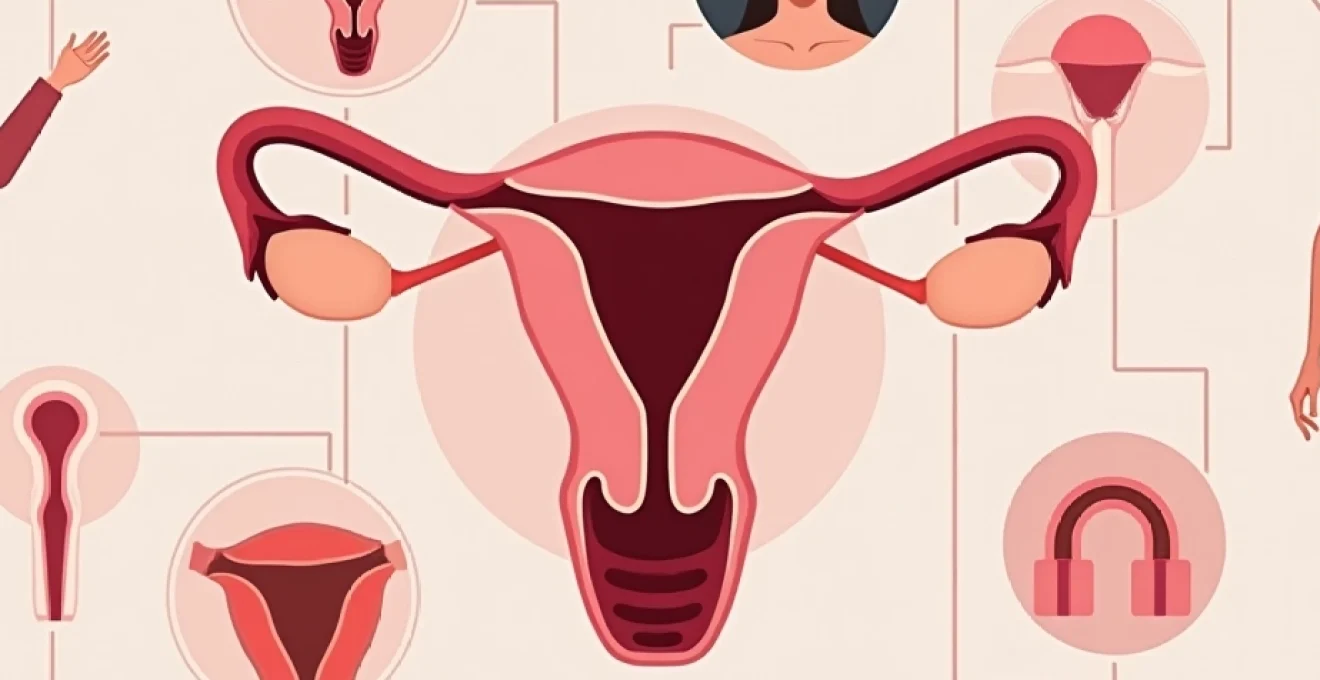
Rectal pain during menstruation affects a significant portion of individuals who menstruate, yet remains one of the most under-discussed period symptoms. This sharp, stabbing discomfort in the anal and rectal region can range from brief episodes lasting seconds to persistent pain that disrupts daily activities. Understanding the underlying causes of this cyclical rectal pain is crucial for proper diagnosis and effective management. The phenomenon, medically termed proctalgia fugax when episodic, involves complex interactions between hormonal fluctuations, anatomical structures, and gynaecological conditions that create a cascade of inflammatory and muscular responses in the pelvic region.
The prevalence of menstrual rectal pain varies significantly, with studies suggesting that up to 18% of the general population experiences some form of anal pain, though many cases remain unreported due to embarrassment or lack of awareness. During menstruation, the intricate network of pelvic structures becomes particularly susceptible to pain due to prostaglandin release, hormonal shifts, and potential underlying gynaecological pathologies. This multifaceted condition requires a comprehensive understanding of both normal physiological processes and pathological states that can exacerbate symptoms.
Primary gynaecological causes of menstrual rectal pain
Several gynaecological conditions can directly contribute to rectal pain during menstruation, with each presenting distinct mechanisms and symptom patterns. These underlying pathologies often amplify the normal discomfort associated with menstrual cycles, creating more severe and persistent pain that requires targeted medical intervention.
Endometriosis and rectovaginal involvement
Endometriosis represents one of the most significant causes of cyclical rectal pain, particularly when endometrial tissue implants affect the rectovaginal septum or bowel wall. This condition occurs when tissue similar to the uterine lining grows outside the uterus, responding to hormonal changes throughout the menstrual cycle. During menstruation, these ectopic endometrial deposits undergo the same inflammatory and bleeding processes as the uterine lining, causing intense pain in surrounding tissues.
Rectovaginal endometriosis specifically affects the area between the vagina and rectum, creating deep infiltrating lesions that can extend into the rectal wall. Patients with this condition often experience severe rectal pain during defecation, particularly in the days leading up to and during menstruation. The pain is typically described as sharp, stabbing, or burning, and may be accompanied by altered bowel habits, including constipation or painful bowel movements. Studies indicate that approximately 5-15% of women with endometriosis have bowel involvement, with rectovaginal lesions being among the most challenging to diagnose and treat.
Adenomyosis-related pelvic floor dysfunction
Adenomyosis, characterised by the invasion of endometrial tissue into the uterine muscle wall, can indirectly contribute to rectal pain through its effects on pelvic floor function. This condition causes significant uterine enlargement and increased menstrual cramping, which can create compensatory tension in surrounding pelvic floor muscles. The chronic pain associated with adenomyosis often leads to protective muscle guarding, affecting the entire pelvic floor complex including muscles that support the rectum.
The relationship between adenomyosis and rectal pain becomes particularly evident during menstruation when uterine contractions are most intense. The enlarged, tender uterus can compress adjacent structures, while the associated pelvic floor dysfunction creates myofascial trigger points that refer pain to the rectal region. This secondary pelvic floor dysfunction often persists beyond the menstrual period, creating a cycle of chronic pain and muscle tension that requires comprehensive treatment approaches.
Ovarian cyst pressure on pouch of douglas
Large ovarian cysts, particularly those that develop cyclically in relation to ovulation, can create mechanical pressure on the pouch of Douglas, the deepest part of the peritoneal cavity that lies directly behind the uterus and in front of the rectum. This anatomical relationship means that any space-occupying lesion in this area can directly compress rectal tissues and create pain that intensifies during menstruation when pelvic congestion increases.
Functional ovarian cysts, including follicular and corpus luteum cysts, often reach their maximum size during specific phases of the menstrual cycle. When these cysts rupture or undergo torsion, the resulting peritoneal irritation can cause severe rectal pain that mimics other acute abdominal conditions. The pain pattern typically correlates with the menstrual cycle, with symptoms often peaking during menstruation or mid-cycle, depending on the cyst type and timing of complications.
Uterine fibroids compressing rectal wall
Posteriorly located uterine fibroids can create direct mechanical compression of the rectal wall, particularly when they grow to significant size or occupy the posterior uterine wall. These benign tumours respond to oestrogen stimulation, often increasing in size and becoming more symptomatic during the reproductive years. The pressure effects become more pronounced during menstruation when pelvic blood flow increases and tissues become more congested.
Large subserosal fibroids extending posteriorly can compress the rectum, leading to symptoms including constipation, incomplete evacuation, and rectal pressure or pain. The cyclical nature of symptoms often correlates with menstrual periods when hormonal fluctuations cause fibroids to swell slightly and pelvic tissues become more sensitive. Intramural fibroids that distort the uterine shape can also contribute to altered pelvic anatomy, affecting the spatial relationships between pelvic organs and potentially compromising rectal comfort during menstruation.
Pelvic inflammatory disease and posterior Cul-de-Sac adhesions
Chronic pelvic inflammatory disease (PID) can result in the formation of adhesions within the posterior cul-de-sac, creating scar tissue that binds pelvic organs together and restricts their normal mobility. These adhesions commonly involve the uterus, ovaries, and rectum, creating a complex web of fibrous tissue that can cause pain during normal physiological processes, including menstruation.
During menstruation, the normal enlargement and movement of pelvic organs can stretch these adhesions, creating sharp, pulling sensations that radiate to the rectal area. The inflammatory response associated with menstruation can also cause existing adhesions to become more painful and reactive. Chronic pelvic pain syndrome resulting from PID-related adhesions often includes a significant rectal component that worsens during menstrual periods and may be accompanied by dyspareunia and altered bowel function.
Anatomical mechanisms behind Period-Related rectal discomfort
The anatomical basis for menstrual rectal pain involves complex interactions between multiple pelvic structures, neural pathways, and physiological processes. Understanding these mechanisms provides insight into why rectal pain occurs during menstruation and helps guide targeted treatment approaches. The pelvic region contains an intricate network of organs, muscles, ligaments, and neural pathways that can all contribute to pain perception during menstrual cycles.
Prostaglandin E2 effects on rectal smooth muscle
Prostaglandins, particularly prostaglandin E2 (PGE2), play a central role in menstrual rectal pain through their effects on smooth muscle contraction and inflammatory responses. These hormone-like substances are produced in high concentrations by the endometrium during menstruation to facilitate uterine contractions and endometrial shedding. However, prostaglandins are not selective in their action and can affect smooth muscle throughout the pelvic region, including the rectal wall and anal sphincters.
The release of prostaglandins into the systemic circulation during menstruation can cause direct stimulation of rectal smooth muscle, leading to spasmodic contractions that manifest as sharp, cramping pain. This mechanism explains why many individuals experience rectal pain that coincides with uterine cramping during menstruation. The intensity of prostaglandin-mediated pain often correlates with menstrual flow heaviness, as greater endometrial shedding typically involves higher prostaglandin production. Anti-inflammatory medications that inhibit prostaglandin synthesis, such as ibuprofen or naproxen, often provide relief for both menstrual cramps and associated rectal pain.
Utero-sacral ligament tension during menstruation
The utero-sacral ligaments, which provide primary support for the uterus by connecting it to the sacrum, can become a significant source of rectal pain during menstruation. These ligaments contain both sympathetic and parasympathetic nerve fibres, making them highly sensitive to tension and inflammation. During menstruation, uterine enlargement and increased pelvic blood flow can create additional tension on these supportive structures.
Endometriosis commonly affects the utero-sacral ligaments, creating nodular thickening and scar tissue that further compromises their flexibility. When these ligaments are involved in pathological processes, the normal physiological changes of menstruation can create severe pulling sensations that radiate to the rectal area through shared neural pathways. The pain pattern typically involves deep, aching discomfort that may intensify with certain positions or activities that increase intra-abdominal pressure. Treatment approaches often focus on reducing inflammation and improving ligamentous flexibility through targeted therapies.
Rectovaginal septum inflammatory response
The rectovaginal septum, the fibromuscular partition between the rectum and vagina, can become a site of significant inflammatory activity during menstruation, particularly in individuals with endometriosis or other pelvic pathology. This anatomical structure contains dense connective tissue that can become infiltrated with inflammatory cells during cyclical hormonal changes, creating localised swelling and pain that directly affects rectal comfort.
During menstruation, the normal inflammatory cascade associated with endometrial shedding can extend to involve the rectovaginal septum, especially when endometriotic deposits are present in this location. The resulting tissue swelling can create pressure on adjacent rectal nerves and compromise normal tissue mobility. This inflammatory response often creates a characteristic deep, aching pain that may worsen with bowel movements or prolonged sitting. The cyclical nature of this inflammation explains why symptoms often follow a predictable pattern related to the menstrual cycle.
Pelvic floor myofascial trigger points
Myofascial trigger points within the pelvic floor muscles represent a significant but often overlooked source of cyclical rectal pain. These hyper-irritable spots within muscle tissue can develop as a result of chronic pelvic pain conditions, poor posture, or repetitive stress patterns. During menstruation, the increased pelvic congestion and inflammatory mediators can activate dormant trigger points or intensify existing ones, creating referred pain patterns that include the rectal region.
The puborectalis and external anal sphincter muscles are particularly prone to trigger point formation due to their constant postural demands and proximity to other pelvic pain generators. Myofascial pain syndrome in these muscles often creates a cycle of pain and muscle guarding that persists beyond the menstrual period but intensifies cyclically. The referred pain patterns from pelvic floor trigger points can mimic other conditions, making diagnosis challenging without specific expertise in myofascial assessment techniques.
Hormonal fluctuations and rectal sensitivity patterns
The cyclical nature of rectal pain during menstruation reflects complex interactions between hormonal fluctuations and tissue sensitivity patterns throughout the pelvic region. Understanding these hormonal influences provides crucial insights into timing, severity, and treatment approaches for menstrual rectal pain. The interplay between oestrogen, progesterone, prostaglandins, and other inflammatory mediators creates predictable patterns of symptom variation that can help differentiate between normal physiological responses and pathological conditions.
Oestrogen levels significantly influence pain perception and inflammatory responses throughout the body, including pelvic tissues. During the follicular phase of the menstrual cycle, rising oestrogen levels can increase tissue sensitivity and promote inflammatory cascades that prepare the body for potential pregnancy. However, when oestrogen levels drop precipitously before menstruation, this creates a pro-inflammatory environment that can exacerbate existing pelvic pathology and increase rectal sensitivity. Research demonstrates that oestrogen withdrawal triggers increased production of inflammatory cytokines and prostaglandins, directly contributing to heightened pain perception in susceptible individuals.
Progesterone’s role in rectal sensitivity involves both direct muscle relaxation effects and modulation of inflammatory responses. During the luteal phase, progesterone typically has a calming effect on smooth muscle tissues and can reduce overall pelvic pain sensitivity. However, the rapid decline in progesterone levels that occurs with menstruation removes this protective effect, potentially unmasking underlying rectal irritability. Additionally, progesterone influences bowel motility patterns, and its withdrawal can contribute to constipation or altered bowel habits that indirectly affect rectal comfort during menstruation.
The timing of rectal pain symptoms often follows predictable patterns related to hormonal fluctuations. Many individuals experience peak symptom intensity during the first 1-3 days of menstruation when prostaglandin levels are highest and hormonal support is minimal. Some may also notice symptoms during ovulation when follicular rupture and corpus luteum formation create localised inflammatory responses. Symptom tracking over multiple cycles can help identify individual patterns and guide targeted treatment timing for optimal effectiveness.
Understanding the hormonal basis of cyclical rectal pain allows for more precise treatment approaches, including hormonal suppression therapies and anti-inflammatory protocols timed to coincide with symptom peaks.
Differential diagnosis of cyclical rectal pain syndromes
Accurate diagnosis of cyclical rectal pain requires careful differentiation between various conditions that can mimic or coexist with menstrual-related symptoms. The differential diagnosis process involves detailed history-taking, physical examination, and often specialised testing to identify the underlying pathophysiology. Many conditions can present with similar symptom patterns, making clinical expertise crucial for proper evaluation and treatment planning.
Proctalgia fugax represents the most common form of episodic rectal pain, characterised by sudden, severe anal pain that typically lasts seconds to minutes. While this condition can occur independently of menstrual cycles, it often becomes more frequent or severe during menstruation due to increased pelvic congestion and prostaglandin effects. The pain is typically described as sharp, stabbing, or spasmodic and occurs without warning. Unlike other forms of rectal pain, proctalgia fugax episodes are brief and self-limiting, though they can be intensely uncomfortable during occurrence.
Levator ani syndrome presents with more persistent, dull aching pain in the rectum that may worsen during menstruation but is not exclusively cyclical. This condition involves chronic tension or spasm in the levator ani muscles of the pelvic floor, creating a sensation of incomplete evacuation, rectal fullness, or sitting on a ball. The pain pattern differs from acute menstrual rectal pain in its duration and quality, often persisting for hours or days rather than occurring in brief episodes. Diagnosis typically requires specialised pelvic floor assessment and may involve electromyographic testing of pelvic floor muscles.
Coccygodynia, or tailbone pain, can radiate to the rectal area and may fluctuate with hormonal changes due to altered posture, pelvic floor tension, or ligamentous changes during menstruation. This condition often results from trauma, prolonged sitting, or gradual degenerative changes in the coccyx and surrounding structures. The pain pattern typically worsens with sitting, transitioning from sitting to standing, and may be accompanied by localised tenderness over the coccyx. Distinguishing coccygodynia from other forms of rectal pain requires specific palpation techniques and consideration of aggravating factors.
Inflammatory bowel conditions, including Crohn’s disease and ulcerative colitis, can cause cyclical symptoms that may coincide with menstrual periods due to hormonal influences on intestinal inflammation. These conditions typically involve additional gastrointestinal symptoms, including altered bowel habits, blood in stool, and systemic inflammatory markers. The relationship between inflammatory bowel disease and menstrual cycles is complex, with some patients experiencing symptom flares related to hormonal fluctuations. Proper diagnosis requires colonoscopic evaluation and histopathological confirmation.
Pudendal neuralgia can create rectal pain that may worsen during menstruation due to increased pelvic congestion affecting nerve function. This condition involves entrapment or irritation of the pudendal nerve, which provides sensation to the perineum, including the anal area. The pain pattern is typically burning or electric in nature and may worsen with sitting or after bowel movements. Diagnosis often requires nerve conduction studies and response to targeted nerve blocks for confirmation.
Clinical assessment and diagnostic
imaging for menstrual rectal pain
Comprehensive clinical assessment of cyclical rectal pain requires a systematic approach that combines detailed history-taking, targeted physical examination, and appropriate diagnostic imaging studies. The evaluation process must carefully distinguish between normal physiological responses and pathological conditions while considering the cyclical nature of symptoms. Healthcare providers should approach this assessment with sensitivity, recognising that many patients may feel embarrassed discussing rectal symptoms or may have minimised their severity due to societal taboos surrounding pelvic and rectal health.
The clinical history should focus on establishing the temporal relationship between rectal pain and menstrual cycles, including precise timing, duration, and severity patterns. Patients should be questioned about symptom onset relative to menarche, changes in symptom patterns over time, and any relationship to life events such as pregnancy, childbirth, or gynaecological procedures. Detailed pain characterisation is essential, including location, quality, radiation patterns, aggravating and alleviating factors, and associated symptoms such as bowel dysfunction, urinary symptoms, or dyspareunia. A comprehensive review of systems should explore potential red flag symptoms that might suggest serious underlying pathology.
Physical examination begins with careful inspection of the perineum and anal area, looking for signs of inflammation, scarring, or anatomical abnormalities. Digital rectal examination, while often uncomfortable for patients with cyclical rectal pain, provides crucial information about sphincter tone, masses, tenderness, and the presence of endometrial nodules in the rectovaginal septum. The examination should be performed gently, with consideration for patient comfort and the potential for symptom exacerbation. Pelvic examination may reveal uterine enlargement, adnexal masses, or nodular thickening of the utero-sacral ligaments that could contribute to rectal symptoms.
Diagnostic imaging plays a crucial role in identifying structural abnormalities that may contribute to cyclical rectal pain. Transvaginal ultrasound provides excellent visualisation of pelvic organs and can identify ovarian cysts, uterine fibroids, or adenomyosis that might contribute to symptoms. Magnetic resonance imaging represents the gold standard for evaluating deep infiltrating endometriosis, particularly when rectovaginal involvement is suspected. MRI can accurately assess the extent of endometrial deposits, their relationship to bowel structures, and the degree of anatomical distortion present.
Specialised imaging techniques may be required for complex cases or when initial studies are inconclusive. Defecography or dynamic MRI of the pelvic floor can evaluate functional abnormalities in pelvic floor muscle coordination and rectal function. Endoanal ultrasound provides detailed assessment of anal sphincter anatomy and can identify internal structural abnormalities that might contribute to pain symptoms. These advanced imaging studies should be reserved for cases where initial evaluation suggests complex anatomical or functional abnormalities requiring specialised intervention.
Evidence-based treatment protocols for period-related rectal discomfort
Effective management of menstrual rectal pain requires a multimodal approach that addresses both the underlying pathophysiology and symptom control. Treatment protocols should be individualised based on symptom severity, underlying conditions identified during evaluation, and patient preferences regarding hormonal and non-hormonal interventions. The evidence base for treatment approaches continues to evolve, with recent research providing clearer guidance on optimal therapeutic strategies for different patient populations.
First-line pharmacological management typically involves non-steroidal anti-inflammatory drugs (NSAIDs) that target prostaglandin production at its source. Ibuprofen, naproxen, and mefenamic acid have demonstrated particular efficacy in reducing both menstrual cramping and associated rectal pain symptoms. The timing of NSAID initiation is crucial for optimal effectiveness, with best results achieved when treatment begins 1-2 days before expected menstrual onset rather than waiting for symptom development. For patients who cannot tolerate NSAIDs or have contraindications to their use, alternative approaches including acetaminophen, topical analgesics, or targeted nerve blocks may be considered.
Hormonal therapies offer significant benefits for patients with moderate to severe cyclical rectal pain, particularly when underlying endometriosis is suspected or confirmed. Combined oral contraceptives used in continuous fashion can effectively suppress ovulation and reduce hormonal fluctuations that contribute to cyclical pain patterns. Progestin-only treatments, including the levonorgestrel intrauterine system or depot medroxyprogesterone acetate, can provide excellent symptom control while offering contraceptive benefits. For severe cases resistant to conventional treatments, gonadotrophin-releasing hormone agonists may be considered, though their use requires careful monitoring for bone health and other side effects.
Physical therapy interventions targeting pelvic floor dysfunction have gained increasing recognition as effective treatments for cyclical rectal pain. Specialised pelvic floor physiotherapy can address muscle tension, trigger points, and coordination problems that contribute to symptom severity. Manual therapy techniques, including internal pelvic floor releases and myofascial treatments, can provide significant symptom relief when performed by qualified practitioners. Biofeedback training helps patients develop better pelvic floor muscle control and can be particularly beneficial for those with coordination disorders or chronic muscle tension.
Complementary and integrative approaches offer additional therapeutic options that can be used alongside conventional treatments. Acupuncture has shown promising results in reducing menstrual pain, including rectal components, with several high-quality studies demonstrating efficacy comparable to pharmaceutical interventions. Heat therapy, including sitz baths and topical heat application, can provide immediate symptom relief during acute episodes. Dietary modifications, including increased fibre intake and adequate hydration, help prevent constipation that can exacerbate rectal pain symptoms during menstruation.
Surgical interventions are reserved for patients with severe symptoms that significantly impact quality of life and have failed to respond to conservative treatments. The surgical approach depends on the underlying pathology identified during evaluation. For patients with rectovaginal endometriosis, laparoscopic excision of endometrial deposits can provide excellent long-term symptom relief, though surgery in this location requires specialised expertise due to the proximity of critical structures. Uterine-sparing procedures for adenomyosis or fibroid-related symptoms may be appropriate for younger patients desiring future fertility.
Patient education and self-management strategies form a crucial component of comprehensive treatment protocols. Patients benefit from understanding the physiological basis of their symptoms, which can reduce anxiety and improve treatment compliance. Symptom tracking using menstrual cycle apps or pain diaries helps identify individual patterns and treatment responses, allowing for optimisation of therapeutic approaches. Stress management techniques, including mindfulness meditation and progressive muscle relaxation, can help reduce overall pain perception and improve coping strategies during symptomatic periods.
Long-term management requires regular follow-up and treatment adjustment based on symptom evolution and life circumstances. The cyclical nature of menstrual rectal pain means that treatment needs may change over time, particularly with major life events such as pregnancy, menopause, or development of new medical conditions. Healthcare providers should maintain open communication with patients, encouraging reporting of symptom changes and treatment side effects. Regular reassessment ensures that treatment approaches remain optimal and that new therapeutic options can be incorporated as they become available.
Successful management of cyclical rectal pain requires a patient-centred approach that combines evidence-based treatments with individualised care plans, recognising that optimal outcomes often require ongoing adjustment and multidisciplinary collaboration.