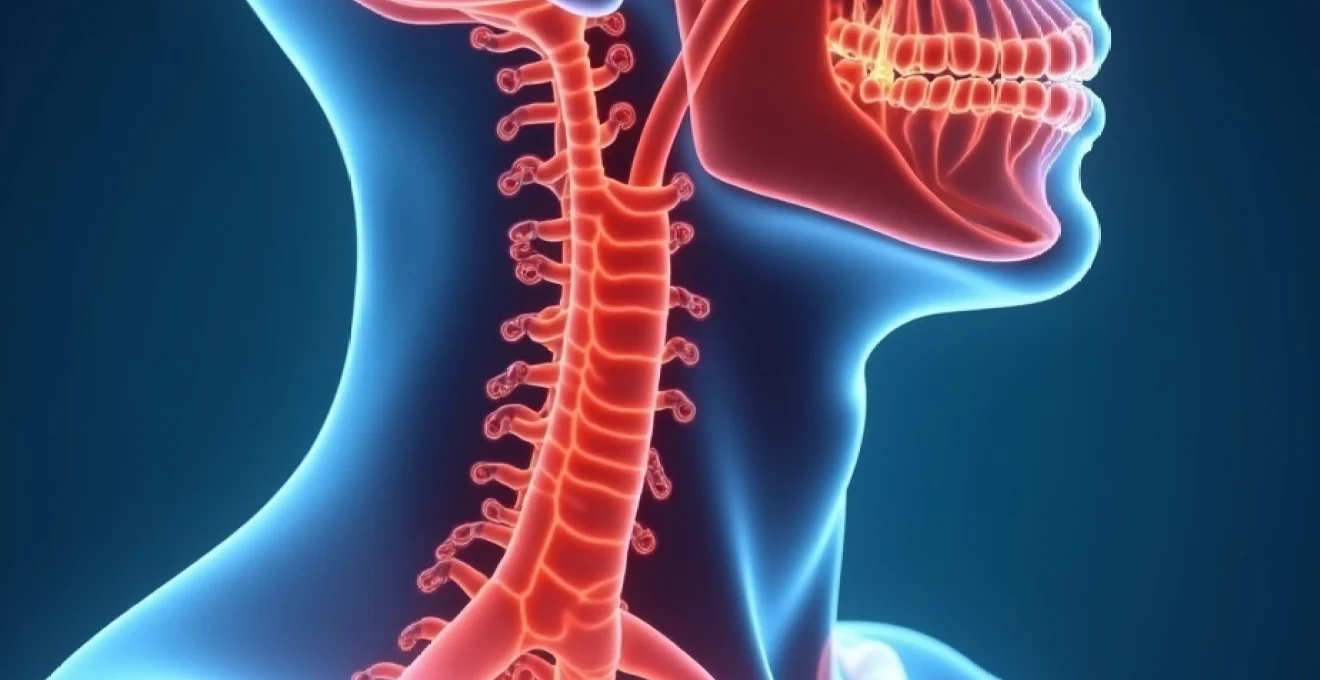
A strong, visible pulse in the neck can be an alarming discovery that prompts immediate concern about cardiovascular health. This phenomenon, medically termed a prominent carotid pulsation, occurs when the major arteries supplying blood to the brain become visibly enlarged or demonstrate unusually forceful pulsations. While occasionally normal in thin individuals or during periods of heightened physiological activity, persistent strong neck pulses often indicate underlying pathological processes affecting cardiac function, vascular integrity, or metabolic balance.
Understanding the mechanisms behind visible carotid artery pulsations requires comprehensive knowledge of cardiovascular physiology and the complex interplay between cardiac output, vascular resistance, and arterial compliance. Multiple pathological conditions can manifest through enhanced neck pulsations, ranging from relatively benign thyroid disorders to serious cardiac pathologies requiring immediate medical intervention. The clinical significance of these findings depends heavily on accompanying symptoms, patient history, and the specific characteristics of the pulsation pattern observed.
Physiological mechanisms behind visible carotid artery pulsations
Increased stroke volume and cardiac output dynamics
The fundamental mechanism underlying prominent neck pulsations involves alterations in stroke volume and cardiac output that amplify the force transmitted through the carotid circulation. When the heart ejects blood with greater force or volume during systole, the resulting pressure wave travels through the arterial system with increased amplitude, making previously imperceptible pulsations visible to the naked eye. This phenomenon becomes particularly pronounced in the carotid arteries due to their superficial location and direct connection to the aortic arch.
Hyperdynamic circulation states represent the most common cause of increased stroke volume leading to visible neck pulsations. During these conditions, the heart compensates for reduced systemic vascular resistance or increased metabolic demands by ejecting larger volumes of blood with each contraction. The resultant increase in pulse pressure creates the characteristic bounding quality that patients often describe as feeling their heart beating in their throat or neck region.
Arterial wall compliance changes in carotid vessels
Alterations in arterial wall elasticity significantly influence the visibility of carotid pulsations, with both increased and decreased compliance contributing to enhanced pulse prominence. Arterial stiffening, commonly associated with ageing and hypertension, reduces the vessel’s ability to dampen pressure waves, resulting in more pronounced systolic peaks that manifest as visible pulsations. Conversely, pathological vasodilation can increase arterial compliance beyond normal limits, creating paradoxically enhanced pulsation visibility through altered pressure-volume relationships.
The carotid arteries possess unique anatomical characteristics that make them particularly susceptible to compliance-related changes. Their position as the first major branch vessels from the aortic arch exposes them to the full force of ventricular ejection, while their role in cerebral blood supply necessitates precise pressure regulation mechanisms. When these regulatory systems become disrupted , the resulting changes in wall mechanics can dramatically alter pulsation characteristics, making previously normal arterial movements visible and palpable.
Baroreceptor dysfunction and autonomic nervous system response
The carotid sinus contains specialised baroreceptor cells that continuously monitor arterial pressure and provide feedback to cardiovascular control centres in the brainstem. Dysfunction of these pressure-sensing mechanisms can lead to inappropriate autonomic responses that enhance neck pulsation visibility through altered heart rate and contractility patterns. When baroreceptors fail to properly detect or respond to pressure changes, the resulting loss of cardiovascular homeostasis can manifest as exaggerated pulse characteristics.
Autonomic nervous system imbalances, particularly sympathetic overactivity, contribute significantly to prominent neck pulsations through multiple mechanisms. Increased sympathetic tone enhances cardiac contractility and heart rate whilst simultaneously affecting peripheral vascular tone, creating conditions favourable for visible pulse transmission. This autonomic dysregulation often accompanies stress responses, anxiety disorders, and various metabolic conditions, explaining why neck pulsations frequently correlate with emotional or physical stressors.
Peripheral vascular resistance alterations
Changes in peripheral vascular resistance directly impact the pressure dynamics within the carotid circulation, with both elevated and reduced resistance states contributing to enhanced pulse visibility through different mechanisms. Decreased peripheral resistance, characteristic of hyperdynamic states, reduces arterial afterload and allows for increased stroke volume ejection, whilst elevated resistance can lead to compensatory increases in cardiac output that amplify pulse transmission.
The relationship between peripheral resistance and carotid pulsation involves complex hemodynamic interactions that extend beyond simple pressure-flow relationships. Arterial compliance matching between central and peripheral vessels plays a crucial role in pulse wave propagation, with mismatches creating reflection waves that can enhance or diminish pulsation characteristics at specific anatomical sites. Understanding these resistance patterns becomes essential when evaluating patients with prominent neck pulsations, as therapeutic interventions often target peripheral vascular tone to normalise pulse characteristics.
Cardiovascular pathologies causing prominent neck pulse
Aortic regurgitation and waterhammer pulse presentation
Aortic regurgitation represents one of the most dramatic causes of visible neck pulsations, creating the characteristic “waterhammer” or “Corrigan” pulse that can be observed throughout the peripheral arterial system. This valvular pathology allows retrograde blood flow from the aorta into the left ventricle during diastole, resulting in increased stroke volume during subsequent systolic ejection and decreased diastolic pressure. The resulting wide pulse pressure creates forceful systolic pulsations followed by rapid pressure decay, making carotid pulsations clearly visible and often accompanied by characteristic head bobbing movements.
The severity of aortic regurgitation directly correlates with the prominence of neck pulsations, with chronic severe insufficiency often producing pulsations visible from across the room. Patients frequently describe awareness of their heartbeat in multiple arterial locations, including the neck, temples, and even fingertips. The compensatory mechanisms that develop in response to volume overload, including left ventricular hypertrophy and increased contractility, further amplify the pulse characteristics and contribute to the dramatic clinical presentation.
Hyperdynamic circulation states in heart failure
Paradoxically, certain forms of heart failure can produce hyperdynamic circulation states that manifest as prominent neck pulsations, particularly in cases of high-output heart failure where cardiac output remains elevated despite underlying ventricular dysfunction. These conditions often result from systemic factors that increase metabolic demands or reduce peripheral vascular resistance, forcing the heart to maintain elevated output levels that translate into visible pulse characteristics.
High-output heart failure commonly develops in association with chronic anaemia, hyperthyroidism, arteriovenous malformations, or severe mitral regurgitation. The combination of increased preload and reduced afterload creates optimal conditions for enhanced stroke volume ejection, whilst the underlying heart disease prevents normal autoregulatory responses that would typically moderate pulse characteristics. This creates a clinical scenario where patients simultaneously exhibit signs of cardiac insufficiency alongside the hyperdynamic features typically associated with healthy cardiovascular states.
Arteriovenous malformations and fistulous connections
Pathological arteriovenous connections, whether congenital malformations or acquired fistulous communications, can produce dramatic alterations in cardiovascular hemodynamics that manifest as prominent neck pulsations. These abnormal vascular connections create low-resistance pathways that divert blood flow away from normal capillary beds, resulting in compensatory increases in cardiac output to maintain adequate tissue perfusion. The resulting hyperdynamic circulation typically produces visible pulsations throughout the arterial system.
Large arteriovenous malformations, particularly those affecting the cerebral or pulmonary circulation, can create significant hemodynamic burden that requires substantial cardiac output increases to maintain physiological function. The continuous arteriovenous shunting effectively reduces systemic vascular resistance whilst simultaneously increasing venous return, creating conditions that favour enhanced pulse transmission. Patients with significant arteriovenous communications often develop secondary cardiac adaptations, including ventricular hypertrophy and increased contractility, that further amplify pulse characteristics.
Carotid artery stenosis and Post-Stenotic dilatation
Carotid artery stenosis can paradoxically enhance the visibility of neck pulsations through post-stenotic turbulence and compensatory flow mechanisms that alter normal pulse wave characteristics. Significant stenotic lesions create pressure gradients across the narrowed vessel segment, resulting in high-velocity jets downstream from the obstruction that can be transmitted to overlying tissues as visible pulsations. The turbulent flow patterns that develop in post-stenotic regions often produce palpable thrills and visible arterial movement.
Compensatory mechanisms that develop in response to carotid stenosis can further enhance pulse visibility through collateral circulation development and alterations in flow distribution patterns. The increased flow velocity required to maintain adequate cerebral perfusion through stenotic vessels often results in enhanced pulse transmission that becomes apparent during physical examination. Additionally, post-stenotic dilatation of the carotid artery can create focal areas of increased compliance that amplify normal pressure variations into visible pulsations.
Thyroid disorders and metabolic causes of carotid pulsations
Thyroid disorders, particularly hyperthyroidism, represent one of the most common metabolic causes of prominent neck pulsations through their profound effects on cardiovascular function and metabolic rate. Excessive thyroid hormone production increases cardiac contractility, heart rate, and cardiac output whilst simultaneously reducing peripheral vascular resistance, creating the classic hyperdynamic circulation state associated with thyrotoxicosis. The combination of increased oxygen consumption and enhanced cardiac performance results in forceful arterial pulsations that become readily apparent in superficial vessels like the carotids.
The cardiovascular effects of hyperthyroidism extend beyond simple hemodynamic changes to include direct myocardial effects that can amplify pulse characteristics. Thyroid hormones enhance calcium handling within cardiac myocytes, resulting in increased contractile force and shortened relaxation times that contribute to the characteristic rapid, forceful pulse associated with thyrotoxicosis. Patients often describe awareness of their heartbeat in multiple locations, with neck pulsations being particularly prominent due to the proximity of thyroid tissue to the carotid vessels.
Other metabolic disorders can also contribute to enhanced carotid pulsations through various mechanisms affecting cardiovascular function. Diabetes mellitus, particularly when associated with autonomic neuropathy, can alter normal cardiovascular regulatory mechanisms and contribute to pulse abnormalities. Adrenal disorders affecting catecholamine production can similarly impact cardiac function and vascular tone, resulting in altered pulse characteristics. The metabolic demands associated with chronic kidney disease, liver dysfunction, or severe systemic illness can also create hyperdynamic states that manifest as visible neck pulsations.
Thyroid hormone excess can increase cardiac output by 50-100% through combined effects on heart rate, contractility, and vascular resistance, making neck pulsations one of the earliest and most reliable physical findings in hyperthyroidism.
Anaemia-related hyperdynamic circulation and pulse visibility
Anaemia represents one of the most common causes of hyperdynamic circulation leading to prominent neck pulsations, with the severity of pulse visibility typically correlating with the degree of haemoglobin reduction and the acuity of anaemia development. When oxygen-carrying capacity becomes compromised, the cardiovascular system compensates by increasing cardiac output to maintain adequate tissue oxygen delivery. This compensation involves both increased heart rate and enhanced stroke volume, creating the forceful pulsations characteristic of anaemic states.
Chronic anaemia allows for gradual cardiovascular adaptation that can mask symptoms whilst still producing visible pulse changes, whereas acute blood loss typically results in more dramatic hemodynamic alterations accompanied by obvious clinical signs. The optimal haemoglobin concentration for minimising cardiovascular stress varies among individuals, but most patients begin developing compensatory hyperdynamic features when haemoglobin levels fall below 8-9 g/dL. Severe anaemia with haemoglobin levels below 6 g/dL almost invariably produces visible neck pulsations alongside other signs of cardiovascular strain.
The pathophysiological mechanisms underlying anaemia-related pulse changes extend beyond simple compensation for reduced oxygen delivery. Anaemic blood demonstrates altered rheological properties, including reduced viscosity, that can affect pulse wave transmission characteristics and contribute to enhanced pulsation visibility. Additionally, the chronic volume expansion that often accompanies anaemic states increases venous return and preload, further augmenting stroke volume and pulse amplitude. Iron deficiency anaemia may produce additional cardiovascular effects through direct impacts on myocardial metabolism that can influence contractile function independently of haemoglobin levels.
Studies demonstrate that anaemic patients with haemoglobin levels below 8 g/dL typically exhibit cardiac output increases of 30-50% compared to normal values, with much of this increase attributable to enhanced stroke volume that produces characteristic pulse changes.
Drug-induced vasodilation and iatrogenic pulse enhancement
Calcium channel blockers and arterial smooth muscle effects
Calcium channel blocking medications can significantly enhance the visibility of neck pulsations through their direct effects on arterial smooth muscle relaxation and subsequent alterations in vascular compliance patterns. These medications inhibit calcium influx into vascular smooth muscle cells, resulting in vasodilation that reduces peripheral vascular resistance and can unmask or amplify normal pulse characteristics. Dihydropyridine calcium channel blockers , such as amlodipine and nifedipine, demonstrate particularly pronounced effects on peripheral arteries and commonly produce visible pulse enhancement as a therapeutic side effect.
The enhanced pulsation visibility associated with calcium channel blocker therapy often results from the combination of reduced afterload and reflex tachycardia that develops in response to vasodilation. When peripheral vascular resistance decreases, baroreceptor-mediated compensatory mechanisms increase heart rate and contractility to maintain blood pressure homeostasis. This creates conditions favourable for enhanced pulse transmission, with the degree of pulse enhancement typically correlating with the magnitude of vasodilation achieved. Patients frequently notice increased awareness of their heartbeat shortly after initiating calcium channel blocker therapy, with neck pulsations being among the most commonly reported subjective symptoms.
Nitrate vasodilators and venous return mechanisms
Nitrate medications produce complex cardiovascular effects that can enhance neck pulsation visibility through their preferential actions on venous capacitance vessels and subsequent alterations in cardiac preload dynamics. Unlike calcium channel blockers, which primarily affect arterial resistance, nitrates predominantly dilate venous structures, reducing venous return and preload whilst having variable effects on arterial compliance. The resulting changes in cardiac filling can paradoxically enhance pulse visibility through alterations in stroke volume variability and pulse wave characteristics.
Long-acting nitrate preparations often produce sustained alterations in cardiovascular hemodynamics that can make neck pulsations more apparent through chronic effects on vascular compliance and cardiac loading conditions. The development of nitrate tolerance, a common clinical phenomenon with chronic nitrate use, can further complicate pulse characteristics through adaptive changes in vascular responsiveness and autonomic regulation. Patients using nitrate medications may experience variable pulse visibility depending on the timing of medication administration and the degree of vascular adaptation that has developed.
ACE inhibitors impact on vascular tone
Angiotensin-converting enzyme (ACE) inhibitors influence neck pulsation characteristics through their complex effects on the renin-angiotensin-aldosterone system and subsequent alterations in vascular tone, fluid balance, and cardiac remodeling patterns. These medications reduce peripheral vascular resistance through multiple mechanisms, including decreased angiotensin II production and enhanced bradykinin availability, creating hemodynamic conditions that can enhance pulse transmission. The arterial compliance improvements often observed with chronic ACE inhibitor therapy can initially make normal pulsations more apparent before adaptive mechanisms restore baseline pulse characteristics.
The cardiovascular remodeling effects associated with long-term ACE inhibitor use can influence neck pulsation visibility through structural changes in both cardiac and vascular tissues. Improved arterial elasticity, reduced arterial stiffness, and enhanced endothelial function typically develop over months of therapy, potentially normalising previously prominent pulse characteristics. Patients with underlying cardiac disease may experience particularly pronounced changes in pulse visibility as ACE inhibitors improve ventricular function and normalise abnormal hemodynamic patterns that previously contributed to enhanced pulsation characteristics.
Clinical assessment techniques for abnormal carotid pulsations
Doppler ultrasonography evaluation methods
Doppler ultrasonography represents the gold standard non-invasive method for evaluating abnormal carotid pulsations, providing detailed information about flow velocities
, wave propagation patterns, and anatomical structural details that contribute to abnormal pulsation characteristics. Modern colour-flow duplex systems provide comprehensive assessment capabilities that combine real-time anatomical imaging with quantitative flow measurements, allowing clinicians to differentiate between normal physiological variations and pathological conditions requiring intervention. High-resolution imaging protocols can identify subtle structural abnormalities, including arterial wall thickening, plaque formation, or vessel diameter changes that might contribute to enhanced pulsation visibility.
The technical parameters used during carotid Doppler evaluation significantly influence diagnostic accuracy and clinical utility. Peak systolic velocities, end-diastolic velocities, and resistive index calculations provide quantitative measures of arterial function that correlate with pulsation characteristics observed during physical examination. Spectral analysis of Doppler waveforms reveals important information about upstream cardiac function, downstream vascular resistance, and local arterial compliance that helps determine the underlying cause of prominent neck pulsations.
Carotid pulse wave analysis and timing
Sophisticated pulse wave analysis techniques provide detailed characterisation of carotid pulsation timing, morphology, and propagation characteristics that can identify specific pathological processes contributing to enhanced pulse visibility. These non-invasive assessment methods evaluate arterial stiffness, wave reflection patterns, and central aortic pressures through analysis of peripheral arterial waveforms. Advanced applanation tonometry systems can quantify pulse wave velocity, augmentation index, and other parameters that correlate directly with cardiovascular risk and underlying pathophysiology.
The temporal relationships between carotid pulsations and cardiac cycle events provide crucial diagnostic information about underlying cardiovascular pathology. Abnormal pulse timing, including delayed upstroke, prolonged systolic duration, or altered diastolic characteristics, can indicate specific valvular lesions, ventricular dysfunction, or arterial compliance abnormalities. Simultaneous electrocardiographic monitoring during pulse wave analysis ensures accurate timing correlation and helps identify arrhythmic contributions to abnormal pulsation patterns.
Differential diagnosis through physical examination
Systematic physical examination techniques enable clinicians to distinguish between various causes of prominent neck pulsations through careful assessment of pulse characteristics, associated findings, and patient positioning effects. The quality, timing, and intensity of carotid pulsations provide valuable diagnostic clues that can guide further investigation and management decisions. Standardised examination protocols should include assessment of pulse character, blood pressure measurements, cardiac auscultation, and evaluation for signs of heart failure or valvular disease.
Positional changes during physical examination can reveal important diagnostic information about the underlying cause of enhanced neck pulsations. Patients with venous congestion typically demonstrate increased jugular venous distention when supine, whilst those with arterial causes maintain prominent carotid pulsations regardless of positioning. Dynamic manoeuvres including Valsalva, deep inspiration, and passive leg elevation can further characterise the hemodynamic contributions to abnormal pulse visibility and help differentiate cardiac from non-cardiac causes.
Echocardiographic assessment of underlying cardiac function
Comprehensive echocardiographic evaluation provides essential information about cardiac structure and function that directly impacts carotid pulsation characteristics through alterations in stroke volume, ejection fraction, and ventricular loading conditions. Two-dimensional imaging, Doppler flow assessment, and advanced techniques including tissue Doppler and strain analysis can identify specific cardiac abnormalities contributing to hyperdynamic circulation states. Left ventricular systolic function assessment through ejection fraction measurement and wall motion analysis helps determine whether enhanced pulsations result from hypercontractile states or compensatory mechanisms secondary to underlying dysfunction.
Valvular function assessment through echocardiography plays a crucial role in evaluating patients with prominent neck pulsations, particularly when aortic regurgitation or other valvular lesions are suspected based on clinical presentation. Quantitative assessment of regurgitant severity, pressure gradients, and valve morphology provides definitive diagnostic information that guides therapeutic decision-making. Advanced imaging techniques including three-dimensional echocardiography and stress echocardiography can provide additional functional information about cardiac performance under various loading conditions, helping to characterise the full spectrum of cardiovascular pathology contributing to abnormal pulse characteristics.
Modern echocardiographic assessment can detect aortic regurgitation with sensitivities exceeding 95%, making it the preferred initial imaging modality for patients presenting with prominent neck pulsations suggestive of valvular heart disease.