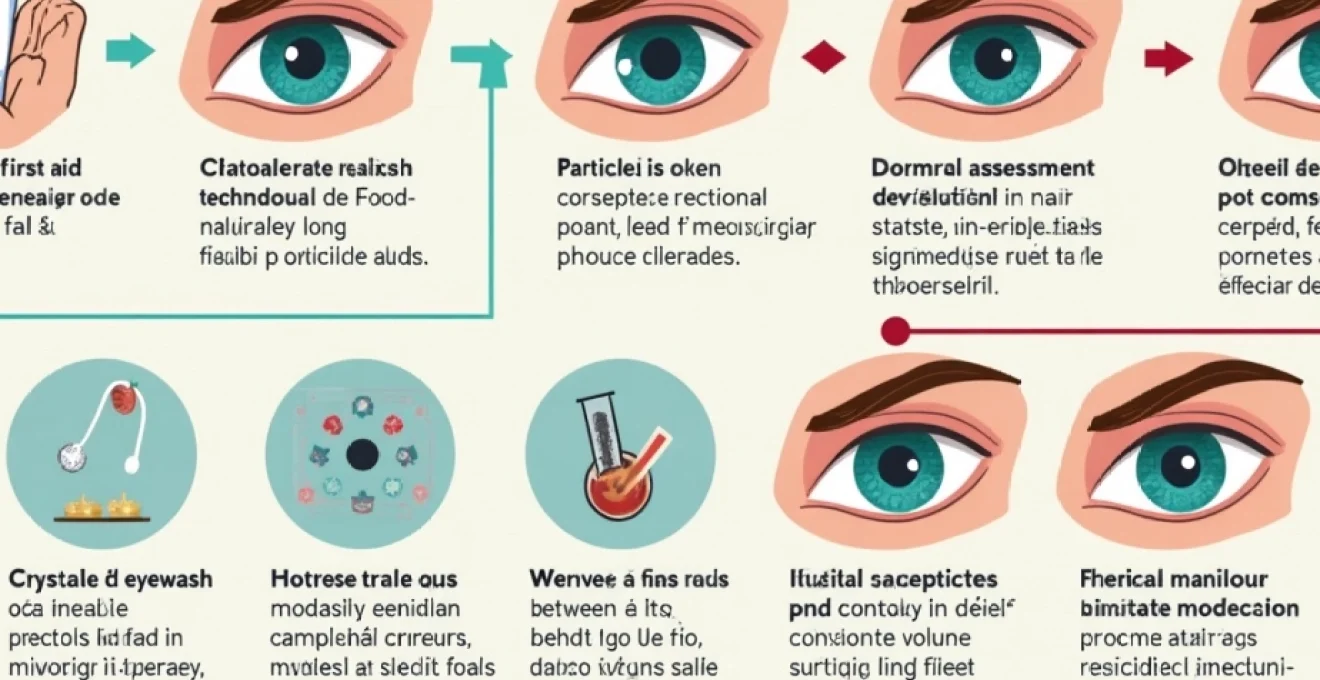
Diatomaceous earth exposure to the eyes represents a significant occupational and domestic safety concern that requires immediate and proper response protocols. This naturally occurring sedimentary rock, composed of fossilised diatom remains, has become increasingly popular across various industries and household applications, from pest control to filtration systems. Understanding the correct first aid procedures when diatomaceous earth particles contact the eyes is crucial for preventing potential complications and ensuring optimal recovery outcomes. The fine powder structure of this material creates unique challenges for eye contamination incidents, making proper decontamination techniques essential knowledge for anyone working with or around diatomaceous earth products.
Immediate first aid response for diatomaceous earth eye contamination
When diatomaceous earth comes into contact with the eyes, swift and methodical action becomes paramount to minimise potential damage and discomfort. The initial response must focus on removing the foreign particles whilst avoiding further irritation or corneal abrasion. Time sensitivity plays a critical role in these situations, as prolonged contact with the fine silica particles can lead to increased mechanical irritation and potential secondary complications.
Emergency eyewash technique using sterile saline solution
Sterile saline solution represents the gold standard for emergency eye irrigation when diatomaceous earth contamination occurs. The isotonic nature of saline prevents osmotic shock to the delicate corneal epithelium whilst effectively diluting and removing particulate matter. Begin by positioning the affected individual with their head tilted slightly back, ensuring the contaminated eye faces upward. Use a steady stream of room-temperature saline solution, directing the flow from the inner corner of the eye toward the outer corner to prevent cross-contamination.
The pH-neutral properties of sterile saline make it superior to tap water for emergency irrigation, particularly when dealing with mineral-based contaminants like diatomaceous earth. Commercial eyewash stations or portable saline bottles should be readily accessible in environments where diatomaceous earth handling occurs regularly. Professional emergency responders consistently recommend maintaining a minimum of 500ml of sterile saline for adequate irrigation volume during eye contamination incidents.
Proper eyelid retraction and irrigation methods
Effective irrigation requires proper eyelid manipulation to ensure complete particle removal from all ocular surfaces. Gently separate the upper and lower eyelids using clean hands or sterile gauze, taking care not to apply excessive pressure that could drive particles deeper into the conjunctival fornices. The irrigation should target both the upper and lower conjunctival sacs, as diatomaceous earth particles can become trapped in these anatomical recesses.
During the irrigation process, encourage the affected individual to blink periodically to help mobilise trapped particles naturally. However, excessive rubbing or forceful blinking should be strictly avoided, as these actions can cause microscopic scratches on the corneal surface. Occupational safety specialists emphasise the importance of maintaining a gentle but thorough approach throughout the decontamination process.
Duration and flow rate requirements for effective decontamination
The minimum irrigation duration for diatomaceous earth eye contamination should extend for at least five minutes of continuous flushing, as recommended by poison control centres. This timeframe allows sufficient contact time for particle dissolution and mechanical removal whilst preventing the establishment of inflammatory processes. The flow rate should maintain a gentle but steady stream, approximately equivalent to a slowly running tap, to avoid causing additional trauma to already irritated tissues.
Environmental factors such as the quantity of diatomaceous earth exposure and the specific particle size distribution may necessitate extended irrigation periods. Industrial-grade diatomaceous earth, which may contain higher concentrations of crystalline silica, typically requires more prolonged flushing protocols compared to food-grade varieties. Emergency medical technicians often continue irrigation en route to medical facilities when significant contamination has occurred.
Warning signs requiring immediate medical intervention
Several clinical indicators warrant immediate professional medical evaluation following diatomaceous earth eye exposure. Persistent pain that continues or worsens after adequate irrigation suggests potential corneal abrasion or embedded particles requiring specialist removal. Visual disturbances, including blurred vision, light sensitivity, or seeing halos around lights, indicate possible corneal damage that demands urgent ophthalmological assessment.
Continuous tearing, redness that intensifies rather than diminishes, or the sensation of persistent foreign body presence after thorough irrigation are red flag symptoms requiring professional intervention.
Additional concerning symptoms include difficulty opening the affected eye, discharge containing blood or unusual colouring, or any signs of infection developing within the first 24 hours post-exposure. These manifestations may indicate complications such as secondary bacterial contamination or deeper tissue involvement that requires antibiotic therapy or surgical intervention.
Understanding diatomaceous earth particle structure and ocular risks
The unique microscopic structure of diatomaceous earth creates specific challenges when these particles come into contact with ocular tissues. Composed primarily of fossilised diatom frustules, this material exhibits irregular, sharp-edged morphology at the microscopic level, which can cause mechanical irritation to the delicate structures of the eye. The particle size distribution typically ranges from 10 to 200 micrometers, with smaller particles posing greater risks for deep tissue penetration and prolonged retention within the conjunctival fornices.
Crystalline silica content in Food-Grade vs industrial diatomaceous earth
The crystalline silica content represents a critical factor in determining the severity of potential ocular damage following exposure. Food-grade diatomaceous earth typically contains less than 0.5% crystalline silica, primarily existing in its amorphous form, which presents lower acute toxicity risks. Industrial-grade varieties, however, may contain significantly higher concentrations of crystalline silica, particularly those that have undergone calcination processes for enhanced filtration properties.
This distinction becomes particularly relevant in occupational settings where workers may encounter different grades of diatomaceous earth throughout their duties. Industrial hygienists consistently emphasise the importance of product identification and safety data sheet consultation when assessing exposure risks and determining appropriate first aid protocols.
Particle size distribution and corneal abrasion potential
The heterogeneous particle size distribution of diatomaceous earth creates varying levels of mechanical irritation potential when in contact with corneal tissues. Larger particles, whilst more easily visible and removable, can cause immediate surface scratching if rubbing occurs during the contamination incident. Conversely, smaller particles may embed more deeply within the conjunctival tissues and prove more challenging to remove through conventional irrigation methods.
Research indicates that particles smaller than 50 micrometers demonstrate increased tendency for prolonged retention within the eye’s natural defence mechanisms. These microscopic fragments can continue causing irritation long after the initial exposure, potentially leading to delayed inflammatory responses and secondary complications if not properly addressed through professional medical evaluation.
Diatom frustule morphology and eye tissue interaction
The intricate geometric patterns characteristic of diatom frustules create unique mechanical interactions with ocular surfaces. These fossilised algae structures feature complex porous arrangements and angular projections that can become mechanically interlocked with conjunctival tissues or trapped beneath the eyelids. The three-dimensional nature of these particles distinguishes them from more uniform industrial dusts, requiring modified approach strategies for effective removal.
Understanding this morphological complexity helps explain why simple water irrigation may prove insufficient for complete decontamination. The irregular surface topography of frustules can create multiple contact points with epithelial cells, potentially causing more extensive microscopic damage than would be expected from similarly sized spherical particles.
Comparative toxicity between calcined and Non-Calcined varieties
The thermal processing history of diatomaceous earth significantly influences its biological reactivity and potential for causing ocular damage. Non-calcined diatomaceous earth maintains its amorphous silica structure, presenting relatively lower acute toxicity profiles when compared to heat-treated variants. Calcined diatomaceous earth, processed at temperatures exceeding 900°C, undergoes partial crystallisation that increases its abrasive properties and potential for causing mechanical tissue damage.
The calcination process transforms the relatively benign amorphous silica into more reactive crystalline forms, significantly increasing the material’s potential for causing both immediate mechanical damage and long-term inflammatory responses.
This fundamental difference necessitates more aggressive irrigation protocols and closer medical monitoring when calcined varieties are involved in eye contamination incidents. Occupational health professionals recommend treating any unknown diatomaceous earth exposure as potentially involving calcined material until proven otherwise through product documentation review.
Medical assessment and professional treatment protocols
Professional medical evaluation becomes essential when initial first aid measures fail to provide complete symptom resolution or when concerning signs develop following diatomaceous earth eye exposure. Healthcare providers employ systematic assessment protocols designed to identify both obvious and subtle injuries that may not be apparent during initial self-treatment attempts. The comprehensive nature of professional evaluation ensures that no significant damage remains undetected and that appropriate treatment strategies are implemented promptly.
Ophthalmological examination using fluorescein staining
Fluorescein staining represents the cornerstone diagnostic technique for detecting corneal epithelial damage following diatomaceous earth exposure. This non-invasive procedure involves instilling fluorescein dye into the affected eye, which selectively highlights areas where the protective epithelial layer has been compromised. Under blue light illumination, damaged areas appear as bright green fluorescent patches, allowing precise mapping of injury extent and depth.
The technique proves particularly valuable for identifying microscopic abrasions that may not be visible during routine examination but could serve as entry points for secondary bacterial infections. Emergency physicians routinely employ fluorescein staining as a standard component of eye trauma assessment, as it provides objective evidence of tissue damage severity and guides subsequent treatment decisions.
Slit lamp biomicroscopy for foreign body detection
Advanced slit lamp examination enables detailed visualisation of retained diatomaceous earth particles that may have become embedded within conjunctival tissues or corneal layers. The high-magnification capabilities and precise illumination control of slit lamp biomicroscopy allow identification of foreign materials measuring just micrometers in diameter. This level of detail proves crucial when dealing with the irregular, translucent nature of diatom frustules that can be easily overlooked during standard examination techniques.
The examination protocol typically includes evaluation of the conjunctival fornices, palpebral surfaces, and corneal epithelium under various magnification levels and lighting angles. Experienced practitioners can distinguish between diatomaceous earth particles and other common foreign bodies based on their characteristic appearance and light refraction properties.
Corneal epithelial damage assessment and grading systems
Healthcare providers utilise standardised grading systems to quantify the extent of corneal damage and guide treatment intensity decisions. These classification schemes typically assess factors including affected surface area, depth of epithelial loss, and presence of stromal involvement. The information gathered through systematic grading helps predict healing timeframes and identify cases requiring specialist ophthalmological consultation.
Documentation of injury severity using established grading criteria also provides valuable medicolegal protection in occupational exposure cases and enables tracking of recovery progress through follow-up examinations. Occupational medicine specialists emphasise the importance of thorough documentation for both clinical management and regulatory compliance purposes.
Topical antibiotic prophylaxis and Anti-Inflammatory treatment
Prophylactic antibiotic therapy may be indicated in cases involving significant epithelial disruption or when foreign body removal has been necessary. The decision to prescribe topical antibiotics depends on factors including contamination circumstances, patient immune status, and extent of tissue damage identified during examination. Common choices include broad-spectrum antibiotics effective against typical ocular pathogens such as Staphylococcus and Streptococcus species.
Anti-inflammatory medications, particularly topical corticosteroids, require careful consideration in diatomaceous earth exposure cases. Whilst these agents can effectively reduce inflammation and improve comfort, their use must be balanced against potential risks of delayed healing and increased infection susceptibility. Treatment decisions typically involve weighing symptom severity against individual patient risk factors.
| Treatment Component | Indication | Duration | Monitoring Requirements |
|---|---|---|---|
| Topical Antibiotics | Epithelial defects >2mm | 5-7 days | Daily assessment initially |
| Lubricating Drops | All cases | Until asymptomatic | Patient self-monitoring |
| Corticosteroids | Severe inflammation | 3-5 days maximum | Close ophthalmology follow-up |
Long-term complications and recovery monitoring
Long-term complications following diatomaceous earth eye exposure, whilst relatively uncommon with proper initial treatment, can develop in cases involving significant particle retention or extensive epithelial damage. These delayed consequences may not become apparent for days or weeks following the initial incident, making systematic follow-up protocols essential for optimal patient outcomes. Understanding potential complications enables both healthcare providers and patients to recognise warning signs and seek appropriate intervention promptly.
Chronic foreign body sensation represents one of the most frequently reported long-term sequelae, often resulting from microscopic particle fragments that evaded initial removal efforts. This persistent discomfort can significantly impact quality of life and work productivity, particularly in occupational exposure cases. Ophthalmologists report that thorough initial decontamination and professional evaluation substantially reduce the likelihood of developing this troublesome complication.
Recurrent corneal erosions may develop in individuals who experienced significant epithelial damage during the initial exposure incident. This condition manifests as episodes of severe pain, tearing, and light sensitivity, typically occurring upon awakening when the healed epithelium adheres to the eyelid and subsequently tears away. The irregular healing pattern sometimes observed following mechanical trauma from diatomaceous earth particles can predispose certain individuals to this recurring problem.
Secondary bacterial infections represent perhaps the most serious potential complication, particularly when initial treatment protocols have been inadequate or when underlying risk factors compromise the eye’s natural defence mechanisms.
The development of corneal scarring, though rare, can occur when deep epithelial injuries extend into the stromal layers or when secondary infections develop. These permanent changes may result in visual disturbances ranging from mild optical irregularities to significant vision impairment requiring corrective measures. Early recognition and aggressive treatment of warning signs help minimise the risk of permanent sequelae.
Preventive safety measures for diatomaceous earth handling
Implementing comprehensive safety protocols when working with diatomaceous earth represents the most effective strategy for preventing eye exposure incidents entirely. These preventive measures should encompass personal protective equipment selection, environmental controls, and safe handling procedures tailored to the specific application and workplace conditions. The investment in proper safety infrastructure consistently proves more cost-effective than managing exposure incidents and their potential complications.
Personal protective equipment selection must prioritise eye protection through appropriate safety glasses or goggles designed for fine particle environments. Standard safety glasses may prove insufficient when dealing with very fine diatomaceous earth powders that can circumvent traditional lens protection. Safety engineers recommend wraparound designs with side shields or full-seal goggles for applications involving significant airborne particle generation.
Environmental controls play a crucial role in minimising airborne diatomaceous earth concentrations that could lead to eye exposure. These measures include adequate ventilation systems, dust suppression techniques during material handling, and regular monitoring of airborne particle levels in work environments. The implementation of engineering controls reduces reliance on personal protective equipment and provides broader protection for all individuals in the affected area.
Training programmes should emphasise proper handling techniques, emergency response procedures, and the importance of immediate first aid implementation when exposure occurs. Regular safety refresher courses help maintain awareness levels and ensure that all personnel remain current on best practices for diatomaceous earth safety. Documentation of training completion also provides important liability protection for employers and demonstrates commitment to worker safety.
- Establish designated storage areas with appropriate containment measures to prevent accidental dispersal
- Implement buddy system protocols for high-risk operations involving large quantities of diatomaceous earth
- Maintain readily accessible emergency eyewash stations within 10 seconds travel time of work areas
- Conduct regular safety equipment inspections to ensure optimal protective equipment functionality
Legal and workplace safety compliance standards
Understanding legal obligations and compliance requirements surrounding diatomaceous earth safety becomes increasingly important as regulatory oversight continues expanding across various industries. Employers bear primary responsibility for providing safe working conditions and appropriate emergency response capabilities when diatomaceous earth exposure risks exist. These obligations extend beyond basic protective
equipment but encompass comprehensive workplace safety management systems that address both immediate response capabilities and long-term health protection strategies.
Occupational Safety and Health Administration (OSHA) regulations specifically address crystalline silica exposure limits, which directly impact workplaces utilising diatomaceous earth products containing crystalline components. The permissible exposure limit for respirable crystalline silica stands at 50 micrograms per cubic meter of air averaged over an 8-hour workday. Compliance officers regularly inspect facilities handling diatomaceous earth to ensure adherence to these exposure standards and proper implementation of required safety measures.
Documentation requirements extend beyond basic incident reporting to include comprehensive exposure assessments, employee training records, and medical surveillance programmes when crystalline silica exposure exceeds action levels. Employers must maintain detailed records of all eye exposure incidents involving diatomaceous earth, including immediate response actions taken, medical treatment provided, and follow-up care administered. These records serve both regulatory compliance purposes and provide valuable data for improving workplace safety protocols.
Failure to comply with established safety standards can result in significant financial penalties, legal liability exposure, and potential criminal charges in cases involving wilful negligence or repeated violations.
The legal framework surrounding diatomaceous earth safety continues evolving as research reveals new information about long-term health effects and optimal protective measures. Recent regulatory updates have strengthened requirements for employee training, environmental monitoring, and medical surveillance in high-exposure environments. Occupational health attorneys recommend staying current with regulatory changes and implementing safety measures that exceed minimum compliance standards to provide additional legal protection.
Workers’ compensation claims related to diatomaceous earth eye injuries require careful documentation and prompt medical attention to ensure proper coverage and prevent disputes over treatment necessity. The establishment of clear incident response protocols and immediate access to appropriate medical care demonstrates employer commitment to worker safety and can significantly influence claim outcomes. Additionally, maintaining comprehensive safety training records helps establish that proper precautions were implemented and that employees received adequate instruction regarding exposure risks.
- Develop written exposure control plans specific to diatomaceous earth handling operations and review annually
- Implement regular air monitoring programmes to verify exposure levels remain below regulatory limits
- Establish medical surveillance protocols for employees with potential for significant silica exposure
- Maintain current safety data sheets for all diatomaceous earth products used in the facility
- Document all safety training provided to employees and ensure regular refresher courses are completed
International safety standards may impose additional requirements for companies operating across multiple jurisdictions or exporting products containing diatomaceous earth. The Globally Harmonized System of Classification and Labelling provides standardised approaches for communicating diatomaceous earth hazards, but specific implementation requirements vary between countries. Understanding these diverse regulatory landscapes becomes crucial for multinational operations and helps ensure consistent safety standards regardless of operational location.
Professional liability considerations extend to healthcare providers treating diatomaceous earth eye injuries, particularly regarding standard of care expectations and documentation requirements. Medical professionals must balance aggressive treatment approaches with conservative management strategies whilst ensuring all interventions are properly documented and justified based on clinical findings. The establishment of standardised treatment protocols helps reduce liability exposure whilst ensuring consistent, high-quality patient care across different healthcare settings.