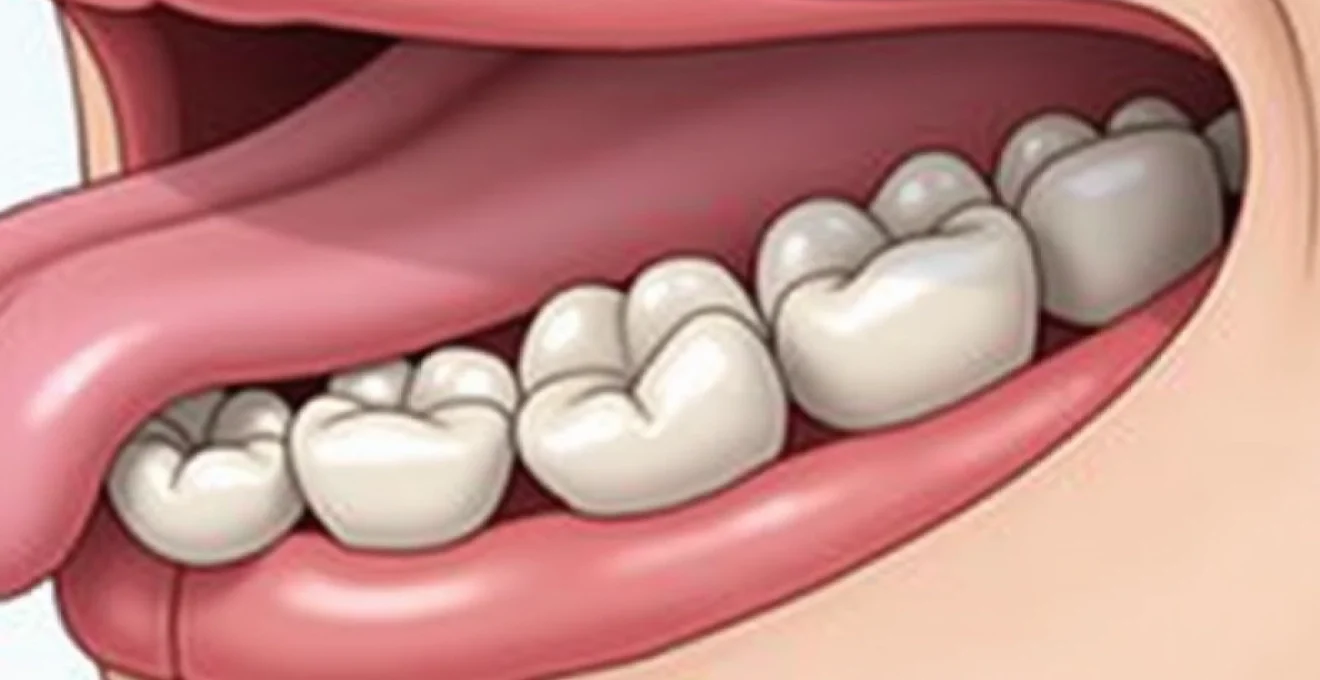
Following tonsillectomy surgery, patients frequently develop a white coating on their tongue, causing considerable concern amongst patients and their families. This phenomenon, whilst often alarming in appearance, represents a complex interplay between normal physiological healing processes and potential pathological conditions. The post-operative period involves significant changes to the oral environment, including altered pH levels, disrupted salivary flow, and compromised local immunity, all of which contribute to visible changes in tongue appearance.
Understanding the distinction between normal healing responses and concerning symptoms requiring medical intervention becomes crucial for optimal post-operative care. The oropharyngeal tissues undergo extensive remodelling following surgical intervention, creating conditions that favour both beneficial healing processes and potentially problematic microbial overgrowth. Recognition of these patterns enables healthcare professionals to provide appropriate guidance whilst ensuring patient safety throughout the recovery period.
Post-tonsillectomy white tongue: normal healing response vs pathological conditions
The development of white coating on the tongue following tonsillectomy occurs through multiple mechanisms, predominantly involving the formation of fibrinous exudate and cellular debris accumulation. During the initial 48-72 hours post-operatively, patients commonly experience this phenomenon as part of the normal wound healing cascade. The surgical trauma triggers an immediate inflammatory response, resulting in increased vascular permeability and subsequent protein-rich fluid extravasation into the oral cavity.
Normal post-operative tongue changes typically manifest as a thin, removable white coating that can be gently scraped away with a tongue cleaner or soft toothbrush. This coating consists primarily of desquamated epithelial cells, fibrin deposits, and accumulated oral debris. The underlying tongue surface appears pink and healthy beneath this coating, indicating appropriate tissue perfusion and healing progression.
Distinguishing pathological conditions requires careful assessment of accompanying symptoms and coating characteristics.
Pathological white tongue coatings often present as thicker, more adherent plaques that resist gentle removal attempts and may reveal erythematous or ulcerated tissue beneath.
These concerning presentations frequently accompany systemic symptoms such as fever, increased pain beyond expected levels, or difficulty swallowing that progressively worsens rather than improves.
The timeline of appearance provides additional diagnostic clues regarding the nature of tongue coating. Normal healing-related changes typically emerge within the first 24-48 hours and gradually resolve over 7-14 days as wound healing progresses. Conversely, pathological conditions such as oral candidiasis may develop later in the recovery period, particularly when predisposing factors such as antibiotic therapy or immunosuppression are present.
Fibrinous exudate formation and wound healing mechanisms following adenotonsillectomy
The surgical removal of tonsillar tissue creates extensive raw surfaces within the oropharynx, triggering a complex cascade of haemostatic and inflammatory responses. Understanding these mechanisms provides insight into why white tongue coatings develop so commonly following tonsillectomy procedures. The initial coagulation response involves platelet aggregation and fibrin clot formation, creating the foundation for subsequent healing processes whilst simultaneously contributing to visible oral changes.
Fibrin deposition patterns in tonsillar fossa recovery
Fibrin deposition within the tonsillar fossae follows predictable patterns that directly influence oral cavity conditions. The surgical beds become covered with a protective pseudomembrane consisting of fibrin, platelets, and inflammatory cells within hours of the procedure. This natural biological dressing serves multiple functions, including haemostasis, protection against bacterial invasion, and provision of a scaffold for tissue regeneration.
The fibrinous material doesn’t remain confined to the surgical sites but extends throughout the oral cavity via salivary distribution. Increased fibrinogen levels in post-operative saliva contribute to coating formation on adjacent structures, including the tongue surface. This process peaks during the first 48-72 hours when inflammatory mediator concentrations reach their highest levels.
Epithelial regeneration timeline in oropharyngeal tissues
Epithelial regeneration in oropharyngeal tissues follows a well-documented timeline that correlates with tongue coating patterns. The initial phase involves rapid migration of epithelial cells from wound edges, beginning within 24 hours of surgery. During this period, cellular turnover increases significantly throughout the oral cavity, contributing to enhanced desquamation and subsequent coating formation.
Peak epithelial regeneration occurs between days 3-7 post-operatively, coinciding with the period when patients often report the thickest tongue coatings. The accelerated cellular turnover creates abundant desquamated material that accumulates on the tongue surface, particularly in areas with reduced mechanical cleansing action such as the posterior third and lateral borders.
Inflammatory cascade response to electrocautery and cold steel techniques
Different surgical techniques produce varying inflammatory responses that influence subsequent tongue coating development. Electrocautery techniques generate more extensive thermal tissue damage, resulting in broader zones of cellular necrosis and inflammatory cell infiltration. This enhanced inflammatory response typically correlates with more pronounced post-operative tongue coating formation compared to cold steel dissection methods.
The inflammatory cascade involves sequential activation of complement systems, cytokine networks, and cellular recruitment patterns. Interleukin-6 and tumour necrosis factor-alpha concentrations peak within 24-48 hours, driving systemic acute-phase responses that affect oral environment parameters including pH, osmolarity, and protein composition.
Leucocyte migration and cellular debris accumulation
Leucocyte migration into the oral cavity significantly contributes to visible tongue changes during the post-operative period. Neutrophils arrive first, typically within 2-4 hours of surgery, followed by monocytes and lymphocytes over subsequent days. These inflammatory cells undergo programmed cell death within the oral environment, contributing substantial cellular debris to tongue coating formation.
The accumulation process involves both direct cellular migration and passive collection of debris through salivary flow patterns. Reduced tongue mobility during the early post-operative period impairs natural self-cleansing mechanisms, allowing cellular debris to accumulate preferentially in dependent areas and surface irregularities.
Oral candidiasis risk factors in Post-Surgical immunocompromised states
Post-operative patients face elevated risks for oral candidiasis development due to multiple converging factors that compromise local immunity and alter oral microbiome composition. The surgical stress response creates temporary immunosuppression, whilst common post-operative interventions including antibiotic therapy and corticosteroid administration further predispose patients to fungal overgrowth. Understanding these risk factors enables proactive management strategies that can prevent problematic candida colonisation.
Candida albicans overgrowth in Antibiotic-Treated patients
Prophylactic antibiotic administration, whilst reducing bacterial infection risks, creates ideal conditions for candida albicans overgrowth through elimination of competitive bacterial flora. Broad-spectrum antibiotics particularly disrupt the delicate balance of oral microorganisms, removing beneficial bacteria that normally suppress fungal proliferation through competitive exclusion and antimicrobial compound production.
The timeline of candida overgrowth typically follows antibiotic exposure patterns, with fungal colonisation becoming apparent 3-7 days after antibiotic initiation. Patients receiving amoxicillin-clavulanate combinations demonstrate particularly high incidence rates of oral thrush development, as these preparations effectively eliminate both aerobic and anaerobic bacterial populations whilst having minimal anti-fungal activity.
Corticosteroid administration impact on fungal colonisation
Corticosteroid therapy, frequently prescribed for post-operative swelling reduction and pain management, significantly increases candida colonisation risks through multiple mechanisms. Systemic corticosteroids suppress cellular immunity functions, particularly T-lymphocyte responses that normally control fungal proliferation. Additionally, these medications alter local tissue glucose concentrations, providing enhanced nutritional substrates for fungal growth.
Topical corticosteroid preparations present additional risks due to direct mucosal contact and local immunosuppressive effects.
The combination of systemic and topical corticosteroid therapy can increase oral candidiasis incidence rates by up to 300% compared to non-treated control populations.
Duration of exposure correlates directly with infection probability, with treatments exceeding five days showing exponentially increased risk profiles.
Salivary ph changes and oral microbiome disruption
Post-operative salivary pH changes create environmental conditions that favour candida proliferation whilst inhibiting beneficial bacterial growth. Surgical stress and associated pain medication usage frequently result in reduced salivary flow rates and altered composition, including decreased buffering capacity and antimicrobial protein concentrations.
The normal oral pH range of 6.7-7.3 becomes disrupted in post-operative patients, often shifting towards acidic values that promote fungal growth. Opioid analgesics commonly prescribed following tonsillectomy contribute to these changes through their anticholinergic effects, which reduce both salivary quantity and quality parameters essential for maintaining oral homeostasis.
Prednisolone protocol effects on mucosal immunity
Standardised prednisolone protocols used in post-operative management create predictable patterns of immunosuppression that correlate with candida overgrowth timing. The typical dosing regimen of 1mg/kg daily for 3-5 days produces peak immunosuppressive effects between days 2-4 of treatment, coinciding with the period of highest candidiasis development risk.
Mucosal immunity suppression involves both quantitative and qualitative changes in immune cell populations. Secretory IgA production decreases by approximately 40-60% during peak corticosteroid activity, whilst mucosal-associated lymphoid tissue function becomes significantly impaired. These changes persist for 7-10 days beyond treatment cessation, creating an extended vulnerability window for fungal colonisation.
Differential diagnosis: distinguishing thrush from Post-Operative pseudomembrane
Accurate differentiation between normal post-operative pseudomembrane formation and pathological oral candidiasis requires systematic evaluation of multiple clinical parameters. The distinction becomes particularly challenging during the first week post-operatively when both conditions may coexist and present overlapping clinical features. Healthcare professionals must employ comprehensive assessment strategies that consider timing, distribution patterns, associated symptoms, and response to interventions.
Normal post-operative pseudomembrane typically presents as a thin, uniform white coating that can be easily removed through gentle mechanical action such as tongue scraping or soft brushing. The underlying tissue appears pink and healthy, without signs of inflammation or ulceration. This coating generally follows a predictable timeline, appearing within 24-48 hours post-operatively and gradually diminishing over 7-14 days as healing progresses.
Oral candidiasis presents distinct characteristics that differentiate it from normal healing responses. The fungal infection typically manifests as thicker, more adherent white plaques that resist gentle removal attempts. When successfully removed, these plaques often reveal erythematous, irritated, or occasionally bleeding tissue beneath. The distribution pattern tends to be more irregular and patchy compared to the uniform coating seen in normal healing.
Symptom assessment provides additional diagnostic clarity between these conditions. Normal post-operative changes rarely produce symptoms beyond mild discomfort that improves with appropriate oral hygiene measures. Conversely, oral candidiasis frequently causes burning sensations, altered taste perception, and increased pain that may worsen over time rather than following the expected improvement trajectory. Some patients report a metallic or unpleasant taste that persists despite regular oral hygiene efforts.
The timeline of symptom development offers crucial diagnostic information, as normal post-operative changes follow predictable improvement patterns whilst candidiasis symptoms typically worsen or persist beyond expected timeframes.
Additionally, the response to antifungal interventions provides definitive diagnostic confirmation when clinical presentation remains ambiguous.
Clinical management protocols for white tongue manifestations after tonsillectomy
Effective management of post-tonsillectomy white tongue requires individualised treatment approaches based on accurate diagnosis and risk factor assessment. The therapeutic strategy must balance the need for symptom relief with preservation of normal healing processes, whilst preventing progression to more serious complications. Modern clinical protocols emphasise early intervention for high-risk patients whilst adopting conservative approaches for typical post-operative changes.
Nystatin suspension treatment regimens for confirmed candidiasis
When oral candidiasis diagnosis is confirmed, nystatin suspension remains the first-line treatment option due to its excellent safety profile and minimal systemic absorption. The standard protocol involves 5ml of nystatin suspension (100,000 units/ml) administered four times daily, with patients instructed to swish the medication thoroughly before swallowing to ensure comprehensive mucosal contact.
Treatment duration typically ranges from 7-14 days, depending on symptom severity and patient response. Clinical improvement should become apparent within 48-72 hours of treatment initiation, with complete resolution expected within one week for uncomplicated cases. Patients who fail to show improvement within 72 hours require reassessment and consideration of alternative antifungal agents or underlying predisposing factors.
Oral hygiene modifications during tonsillar bed healing
Post-operative oral hygiene protocols require careful modification to promote healing whilst preventing microbial overgrowth. Gentle tongue cleaning using soft-bristled brushes or specialised tongue scrapers helps remove accumulated debris without traumatising healing tissues. The technique involves light pressure applied in a back-to-front motion, followed by thorough rinsing with lukewarm water or prescribed mouth rinses.
Frequency of oral hygiene interventions should increase during the post-operative period, with tongue cleaning recommended after each meal and before bedtime. Alcohol-based mouthwashes require avoidance during the initial healing phase due to their potential for tissue irritation and delayed wound healing. Instead, gentle saline rinses or specialised post-operative mouth rinses provide effective cleansing without compromising recovery processes.
Probiotic supplementation strategies for microbiome restoration
Probiotic intervention strategies focus on restoring balanced oral microbiome composition following disruption caused by antibiotics and surgical stress. Lactobacillus and Bifidobacterium strains demonstrate particular efficacy in competing with pathogenic organisms whilst supporting mucosal immunity function. The optimal timing for probiotic initiation typically occurs 2-3 days post-operatively when acute inflammatory responses begin to subside.
Delivery methods include both systemic oral supplements and topical applications designed for direct mucosal contact. Probiotic lozenges or specially formulated rinses allow extended contact time with oral tissues, maximising colonisation potential. Treatment duration should extend for 2-4 weeks beyond antibiotic cessation to ensure adequate microbiome restoration and prevent recurrent fungal overgrowth episodes.
Red flag symptoms requiring immediate ENT specialist consultation
Certain clinical presentations warrant urgent specialist evaluation due to their potential association with serious complications or atypical healing patterns. Healthcare providers and patients must recognise these warning signs to ensure appropriate escalation of care when conservative management approaches prove inadequate. Early specialist intervention can prevent progression to more serious complications whilst optimising patient outcomes through targeted therapeutic interventions.
Persistent or worsening white coating beyond the expected healing timeline constitutes a primary red flag requiring specialist assessment.
When tongue coating fails to improve after 2-3 weeks of appropriate management, or when symptoms worsen despite treatment, immediate ENT consultation becomes essential to exclude underlying pathology.
Additionally, coating that spreads beyond the tongue to involve other oral structures including the palate, gums, or throat requires urgent evaluation.
Systemic symptoms accompanying white tongue changes indicate potential progression to more serious conditions requiring immediate intervention. Fever exceeding 38.5°C beyond the first 48 hours post-operatively, particularly when associated with tongue changes, suggests possible secondary infection requiring aggressive treatment. Similarly, progressive difficulty swallowing or breathing problems associated with oral white lesions constitute medical emergencies requiring immediate evaluation.
Pain patterns that deviate from expected post-operative recovery trajectories warrant specialist consultation. While post-operative pain typically peaks around days 4-5 before gradually improving, pain that continues to worsen beyond this timeframe or develops burning, tingling, or neuropathic characteristics suggests complications requiring expert assessment. Additionally, any bleeding from white patches or lesions requires immediate medical evaluation to exclude more serious underlying pathology.
Changes in taste sensation that persist beyond the expected recovery period, particularly when accompanied by white tongue coating, may indicate fungal invasion of taste receptors or neural complications requiring specialist management. The development of
numbness around the tongue or loss of motor function requires immediate specialist evaluation to rule out nerve damage or other complications.
Unusual odours emanating from white patches, particularly foul or putrid smells that worsen despite appropriate oral hygiene measures, suggest potential tissue necrosis or severe secondary infection requiring urgent intervention. These odours differ markedly from the typical mild halitosis expected during normal post-operative healing and warrant immediate medical assessment.
Visual changes in white coating characteristics that include development of raised, irregular borders, colour variations within patches, or progression to ulcerative lesions constitute additional red flags requiring specialist consultation. These morphological changes may indicate malignant transformation or unusual infectious processes that demand expert evaluation and potentially tissue sampling for definitive diagnosis.
Patient age and comorbidity factors influence the threshold for specialist referral, with paediatric patients and immunocompromised individuals requiring lower thresholds for escalation. Elderly patients or those with diabetes, autoimmune conditions, or chronic steroid use present higher baseline risks for complications and should receive specialist evaluation earlier in their clinical course when concerning symptoms develop.
The presence of multiple concurrent red flag symptoms exponentially increases the urgency for immediate ENT specialist consultation, as these patterns often indicate serious underlying pathology requiring prompt and aggressive intervention.
Documentation of symptom progression provides crucial information for specialist assessment, with patients advised to maintain detailed records including photographic documentation when safely possible. This information enables more accurate triage decisions and assists specialists in determining appropriate intervention strategies based on objective progression patterns rather than subjective symptom reporting alone.