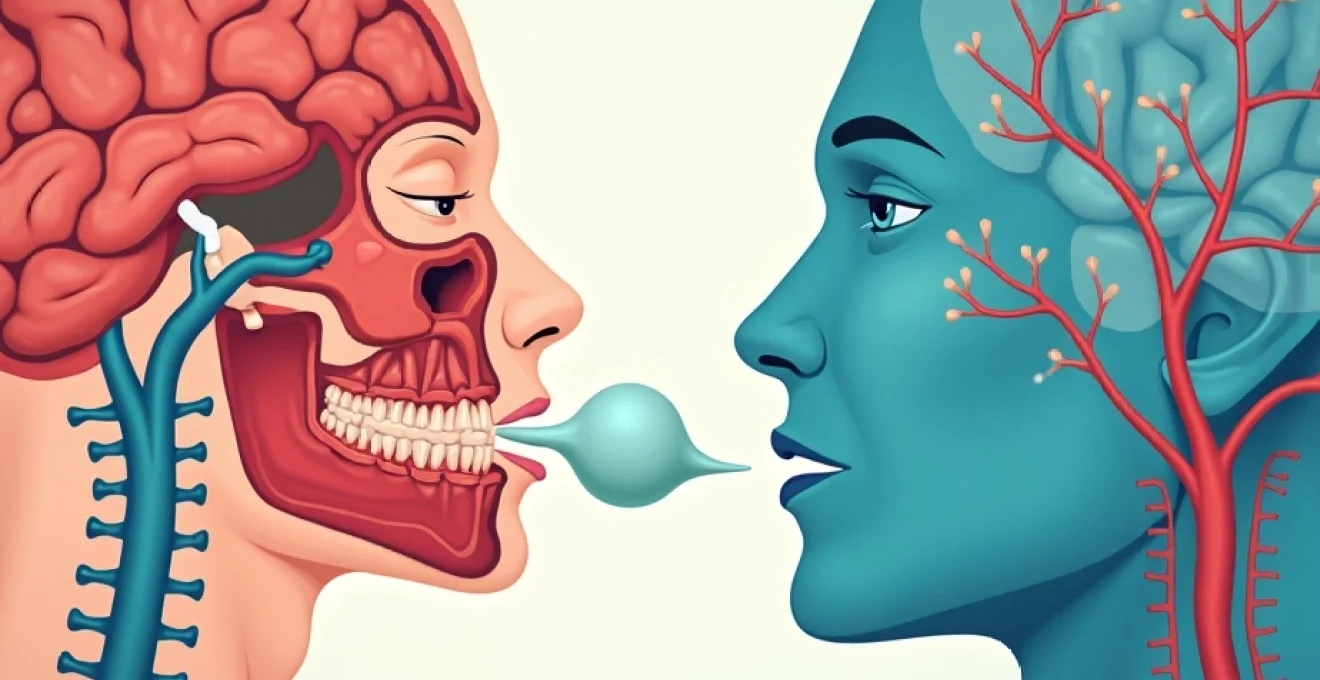
The connection between psychological stress and physiological responses has fascinated medical professionals for decades, particularly when examining how anxiety manifests through unexpected bodily symptoms. Excessive saliva production, medically termed hypersalivation or sialorrhoea, represents one of the most intriguing yet overlooked manifestations of anxiety disorders. This phenomenon affects millions of individuals worldwide, often creating a cascade of secondary concerns including social embarrassment, speech difficulties, and further anxiety amplification.
Understanding the intricate relationship between mental health conditions and salivary gland function requires exploring complex neurophysiological pathways that govern our autonomic nervous system. Anxiety-induced hypersalivation emerges through sophisticated interactions between stress hormones, neurotransmitter activity, and involuntary bodily responses that operate beyond conscious control. These mechanisms demonstrate how profoundly our mental state influences physical health, creating symptoms that many individuals struggle to comprehend or manage effectively.
Neurophysiological mechanisms behind Anxiety-Induced hypersalivation
The relationship between anxiety and excessive saliva production operates through intricate neurological pathways that involve both the sympathetic and parasympathetic nervous systems. When anxiety triggers the body’s stress response, these systems work in complex ways that can paradoxically increase salivary output despite the common perception that stress causes dry mouth. This contradictory response highlights the sophisticated nature of human physiology and the varied ways anxiety manifests across different individuals.
Sympathetic nervous system activation and salivary gland response
During acute anxiety episodes, the sympathetic nervous system typically reduces saliva production by constricting blood vessels and decreasing glandular secretions. However, chronic anxiety states can lead to sympathetic nervous system dysfunction, creating unpredictable responses in salivary gland activity. This dysfunction manifests as periods of excessive saliva production alternating with dry mouth episodes, creating a confusing pattern for those experiencing anxiety-related symptoms.
The sympathetic response involves the release of norepinephrine, which normally decreases salivary flow by reducing blood supply to the glands. In chronic anxiety conditions, this system becomes dysregulated, leading to inconsistent responses that may include compensatory hypersalivation during periods of reduced sympathetic activity. This explains why individuals with anxiety disorders often experience fluctuating saliva production throughout the day.
Parasympathetic dominance during Fight-or-Flight response
Contrary to expectations, some individuals experience parasympathetic dominance during anxiety states, particularly during anticipatory anxiety or specific phobic responses. The parasympathetic nervous system, responsible for “rest and digest” functions, stimulates salivary gland activity through vagal nerve pathways. When this system becomes hyperactive due to anxiety, it can produce excessive amounts of saliva as the body prepares for potential digestive demands.
This parasympathetic hyperactivation often occurs in individuals who experience anxiety-related nausea or gastrointestinal symptoms. The body’s preparation for potential vomiting includes increased salivation to protect the throat and mouth from stomach acid, creating a protective mechanism that manifests as excessive drooling or hypersalivation .
Neurotransmitter pathways: acetylcholine and norepinephrine effects
Neurotransmitter imbalances associated with anxiety disorders significantly impact salivary gland function through complex receptor interactions. Acetylcholine, the primary neurotransmitter responsible for parasympathetic responses, becomes dysregulated in chronic anxiety conditions. This dysregulation can lead to excessive stimulation of muscarinic receptors in salivary glands, resulting in increased saliva production even during non-stressful periods.
The interaction between acetylcholine and norepinephrine creates a delicate balance that anxiety disrupts. When this balance shifts toward cholinergic dominance, individuals may experience persistent hypersalivation accompanied by other parasympathetic symptoms such as increased tear production, nasal congestion, or digestive hypermotility. Understanding these neurotransmitter interactions helps explain why certain anxiety medications can either improve or worsen salivary symptoms.
Vagus nerve stimulation and submandibular gland hyperactivity
The vagus nerve plays a crucial role in anxiety-induced hypersalivation by directly innervating the submandibular and sublingual salivary glands. Chronic anxiety can lead to vagal hyperactivity, causing these glands to produce excessive amounts of thick, mucoid saliva. This type of saliva differs from the thin, watery secretions produced by parotid glands and often creates the sensation of mouth coating or difficulty swallowing.
Vagal stimulation during anxiety episodes also affects gastric acid production, which can trigger compensatory salivation as the body attempts to neutralise potential reflux. This creates a feedback loop where anxiety increases vagal activity, stimulating both gastric acid production and salivary output, potentially leading to gastroesophageal reflux disease (GERD) complications that further exacerbate hypersalivation symptoms.
Medical conditions linking anxiety disorders to excessive saliva production
Various anxiety disorders demonstrate distinct patterns of hypersalivation, each with unique triggers and manifestations. These conditions create complex relationships between psychological symptoms and physiological responses, requiring careful assessment to distinguish between primary anxiety-induced hypersalivation and secondary symptoms resulting from related medical conditions. Understanding these relationships enables more targeted treatment approaches and better patient outcomes.
Generalised anxiety disorder (GAD) and sialorrhoea correlation
Individuals with Generalised Anxiety Disorder frequently experience chronic hypersalivation as part of their symptom complex, particularly during periods of heightened worry or rumination. The persistent nature of GAD creates ongoing autonomic nervous system dysfunction that affects salivary gland regulation. This chronic activation leads to unpredictable saliva production patterns that can significantly impact daily functioning and social interactions.
Research indicates that approximately 15-20% of GAD patients report excessive saliva production as a prominent symptom, often accompanied by difficulty swallowing or the sensation of throat tightness. These symptoms typically worsen during periods of increased anxiety and may persist even when other GAD symptoms are well-controlled through medication or therapy. The chronic nature of GAD-related hypersalivation often requires long-term management strategies combining psychological and medical interventions.
Panic disorder manifestations in salivary gland function
Panic disorder creates acute episodes of intense fear accompanied by dramatic physiological changes, including rapid alterations in salivary gland activity. During panic attacks, individuals may experience sudden onset of excessive saliva production, often described as “mouth flooding” or an inability to swallow effectively. This symptom can intensify panic symptoms by creating sensations of choking or difficulty breathing.
The anticipatory anxiety between panic episodes can also trigger hypersalivation, as the body prepares for potential stress responses. This creates a challenging cycle where fear of panic symptoms, including excessive saliva production, can trigger the very symptoms individuals are trying to avoid. Understanding this connection helps healthcare providers develop more comprehensive treatment plans that address both psychological and physiological aspects of panic disorder.
Social anxiety disorder and anticipatory hypersalivation
Social anxiety disorder demonstrates particularly interesting patterns of anticipatory hypersalivation, where individuals experience excessive saliva production before or during social situations. This response often begins minutes or hours before anticipated social interactions, creating additional anxiety about managing visible symptoms such as drooling or difficulty speaking clearly. The fear of social embarrassment related to hypersalivation can significantly worsen overall social anxiety symptoms.
The physiological preparation for potential social stress includes increased parasympathetic activity that stimulates salivary glands. This preparation response evolved as a protective mechanism but becomes problematic in modern social contexts where excessive saliva production creates additional stress rather than providing protection. Social anxiety-induced hypersalivation often requires specific therapeutic approaches that address both the underlying social fears and the physical symptom management.
Medication-induced sialorrhoea in anxiety treatment
Many medications used to treat anxiety disorders can paradoxically increase saliva production through their effects on neurotransmitter systems. Antipsychotic medications, particularly clozapine, are notorious for causing severe sialorrhoea in 30-80% of patients. Selective serotonin reuptake inhibitors (SSRIs) and tricyclic antidepressants can also affect salivary gland function through their anticholinergic or procholinergic effects.
Understanding medication-induced hypersalivation becomes crucial when treating anxiety disorders, as patients may discontinue effective anxiety treatments due to intolerable salivary symptoms. Healthcare providers must carefully balance the benefits of anxiety reduction against the potential for medication-related hypersalivation, often requiring adjunctive treatments or medication adjustments to optimise patient comfort and treatment adherence.
Physiological stress response and salivary gland dysfunction
The stress response system involves complex interactions between the hypothalamic-pituitary-adrenal (HPA) axis and the autonomic nervous system, both of which significantly impact salivary gland function. Chronic activation of stress responses leads to dysregulation of normal physiological processes, including the delicate balance of saliva production and composition. This dysregulation manifests differently across individuals, with some experiencing reduced saliva production while others develop hypersalivation.
Cortisol, the primary stress hormone, directly affects salivary gland function by altering cellular metabolism and neurotransmitter sensitivity. Elevated cortisol levels associated with chronic anxiety can initially suppress saliva production but may lead to rebound hypersalivation as the body attempts to restore normal function. This creates fluctuating patterns of saliva production that mirror the cyclic nature of many anxiety disorders.
The inflammatory response associated with chronic stress also impacts salivary gland health and function. Inflammatory mediators such as interleukin-1β and tumour necrosis factor-α can alter glandular structure and secretory capacity, leading to changes in both saliva quantity and quality. These changes may persist even after stress levels normalise, explaining why some individuals continue to experience hypersalivation long after their anxiety symptoms have improved.
Chronic stress-induced changes in salivary gland function often involve alterations in the autonomic innervation of these glands. Prolonged sympathetic activation can lead to structural changes in nerve terminals and receptor density, creating long-term alterations in glandular responsiveness. Understanding these mechanisms helps explain why anxiety-related hypersalivation may require extended treatment periods and why symptoms may persist despite effective anxiety management.
Clinical assessment methods for Anxiety-Related hypersalivation
Comprehensive assessment of anxiety-induced hypersalivation requires multidisciplinary evaluation combining psychiatric, medical, and dental perspectives. Healthcare providers must carefully distinguish between primary anxiety-related symptoms and secondary hypersalivation caused by medical conditions such as gastroesophageal reflux disease, neurological disorders, or medication side effects. This assessment process involves detailed history taking, physical examination, and often specialised testing to determine the underlying cause.
Quantitative assessment of saliva production involves measuring both resting and stimulated saliva flow rates using standardised protocols. Normal resting saliva production ranges from 0.3-0.4 ml/minute, while stimulated flow should exceed 1.0 ml/minute. Individuals with anxiety-related hypersalivation often demonstrate elevated resting flow rates exceeding 0.6 ml/minute, accompanied by variable stimulated flow patterns that may correlate with anxiety severity.
Psychological assessment tools specifically designed for anxiety disorders help establish the temporal relationship between anxiety symptoms and hypersalivation. The Hamilton Anxiety Rating Scale, Beck Anxiety Inventory, and Generalised Anxiety Disorder 7-item scale provide standardised measures that can track symptom severity and treatment response. Healthcare providers should also assess for specific triggers, temporal patterns, and associated symptoms that may indicate particular anxiety disorder subtypes.
Objective monitoring techniques, including sialometry and salivary biomarker analysis, provide valuable insights into the physiological mechanisms underlying anxiety-induced hypersalivation. Cortisol levels in saliva can indicate HPA axis activation, while inflammatory markers may suggest ongoing stress-related glandular dysfunction. These assessments help guide treatment decisions and monitor therapeutic response over time.
Advanced diagnostic approaches may include autonomic nervous system testing to evaluate parasympathetic and sympathetic balance, providing insights into the specific mechanisms driving hypersalivation in individual patients.
Therapeutic interventions for managing Anxiety-Induced excess saliva
Effective management of anxiety-induced hypersalivation requires comprehensive treatment approaches that address both the underlying anxiety disorder and the physiological symptoms of excessive saliva production. Treatment strategies must be individualised based on anxiety disorder subtype, symptom severity, and patient preferences. Success often depends on combining psychological interventions with targeted medical treatments and lifestyle modifications.
Cognitive behavioural therapy (CBT) applications for psychosomatic symptoms
Cognitive Behavioural Therapy represents the gold standard psychological intervention for anxiety-related hypersalivation, focusing on identifying and modifying thought patterns and behaviours that contribute to both anxiety and physical symptoms. CBT techniques specifically address the catastrophic thinking often associated with hypersalivation, such as fears of social embarrassment or concerns about underlying medical conditions. Through systematic exposure and cognitive restructuring, patients learn to reduce anxiety responses that trigger excessive saliva production.
Behavioural components of CBT include relaxation training, breathing exercises, and progressive muscle relaxation techniques that help regulate autonomic nervous system activity. These interventions can directly impact salivary gland function by reducing overall stress levels and promoting parasympathetic balance. CBT-based interventions typically show significant improvement in both anxiety symptoms and associated hypersalivation within 12-16 weeks of treatment.
Pharmacological approaches: anticholinergic medications and Beta-Blockers
Anticholinergic medications such as glycopyrrolate, scopolamine, and atropine effectively reduce saliva production by blocking muscarinic receptors in salivary glands. Glycopyrrolate is often preferred due to its limited ability to cross the blood-brain barrier, reducing central nervous system side effects while maintaining peripheral anticholinergic activity. Typical dosing ranges from 1-2 mg twice daily, with effects becoming apparent within 30-60 minutes of administration.
Beta-blockers, particularly propranolol, can help manage anxiety-related hypersalivation by reducing sympathetic nervous system activity and decreasing overall stress responses. These medications are particularly effective for situational anxiety that triggers hypersalivation, such as performance anxiety or social situations. The dual benefit of reducing both anxiety symptoms and associated physiological responses makes beta-blockers valuable tools in comprehensive treatment plans.
Botulinum toxin injections in severe sialorrhoea cases
Botulinum toxin injections into salivary glands represent an advanced treatment option for severe anxiety-related hypersalivation that doesn’t respond to conventional therapies. This treatment involves injecting botulinum toxin type A directly into the parotid and submandibular glands under ultrasound guidance, temporarily blocking acetylcholine release and reducing saliva production. Effects typically last 3-6 months, requiring periodic reinjection for sustained benefit.
The procedure requires specialised expertise and careful patient selection, as complications can include temporary facial weakness or difficulty swallowing. However, for individuals with severe hypersalivation that significantly impacts quality of life, botulinum toxin injections can provide dramatic improvement when combined with ongoing anxiety management. Long-term studies demonstrate sustained improvement in both saliva production and anxiety-related distress following repeated treatments.
Mindfulness-based stress reduction (MBSR) techniques
Mindfulness-based interventions offer powerful tools for managing anxiety-induced hypersalivation by teaching individuals to observe physical sensations without reactivity or judgment. MBSR techniques help break the cycle of anxiety escalation that often occurs when individuals notice excessive saliva production, reducing the secondary anxiety that can worsen hypersalivation symptoms. Regular mindfulness practice promotes autonomic nervous system balance and reduces overall stress responsiveness.
Specific mindfulness techniques for hypersalivation include body scan meditations that help individuals develop awareness of salivary sensations without triggering anxiety responses. Breathing-focused practices can directly influence autonomic nervous system activity, promoting the relaxation response that naturally regulates salivary gland function. Research indicates that consistent mindfulness practice can reduce both anxiety severity and associated physical symptoms, including hypersalivation, within 8-12 weeks of regular practice.