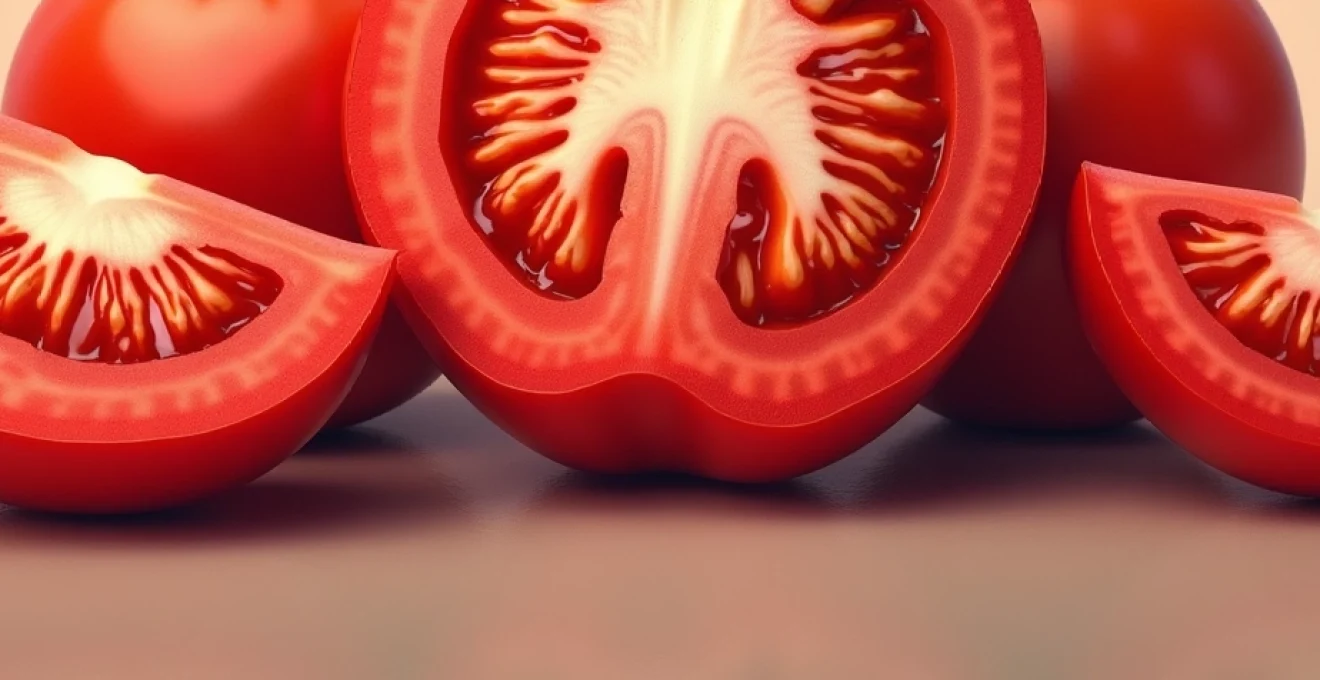
The appearance of tomato skins in stool often surprises and concerns many individuals, yet this phenomenon represents a fascinating intersection of plant biology and human digestive physiology. When you notice distinctive red fragments resembling tomato peels in your bowel movements, you’re witnessing the remarkable resilience of plant cell wall structures against the powerful forces of human digestion. This occurrence highlights the limitations of our digestive system when confronted with certain indigestible components, particularly the robust outer layers of fruits and vegetables that have evolved to protect their contents from environmental threats.
Anatomical structure and digestive properties of tomato peels
The tomato skin, scientifically termed the epicarp , represents one of nature’s most sophisticated protective barriers. This outermost layer of the Solanum lycopersicum fruit consists of multiple specialised tissue layers that work together to maintain structural integrity and protect the delicate inner flesh from pathogens, moisture loss, and physical damage. Understanding this complex architecture explains why tomato skins consistently survive the journey through your digestive tract virtually unchanged.
Cellulose and hemicellulose composition in lycopersicon esculentum skin
The primary structural components of tomato skin comprise cellulose microfibrils embedded within a matrix of hemicellulose polymers. These polysaccharides form an intricate network that provides exceptional mechanical strength whilst remaining completely indigestible to human enzymes. Cellulose, composed of β-1,4-linked glucose units, creates long, unbranched chains that resist hydrolysis by any enzyme produced in the human digestive system.
Research indicates that tomato skins contain approximately 25-35% cellulose by dry weight, with hemicellulose accounting for an additional 15-20%. This substantial fibrous content explains why these structures maintain their integrity throughout the digestive process. The β-glycosidic bonds linking glucose molecules in cellulose require specific cellulase enzymes for breakdown—enzymes that humans simply do not possess in their digestive repertoire.
Cutin and suberin waxy layer resistance to human digestive enzymes
Beyond the fibrous matrix lies an even more impervious barrier: the cuticular layer composed primarily of cutin and suberin. These waxy polyesters form a virtually impermeable coating that protects the fruit from water loss and pathogenic invasion. The chemical bonds within cutin polymers demonstrate remarkable resistance to enzymatic attack, particularly in the acidic environment of the human stomach.
Studies have shown that cutin can withstand exposure to gastric acid with pH levels as low as 1.5 for extended periods without significant degradation. This resistance stems from the cross-linked nature of cutin polymers and the hydrophobic properties that repel aqueous digestive fluids. Even the powerful proteases and lipases produced by the pancreas show minimal activity against these waxy compounds, allowing tomato skins to pass through the small intestine largely unaltered.
Microscopic thickness variations between cherry, roma, and beefsteak tomato varieties
Different tomato varieties exhibit significant variations in skin thickness and composition, directly influencing their visibility in stool. Cherry tomatoes possess skins measuring 50-80 micrometers in thickness, whilst beefsteak varieties typically range from 120-180 micrometers. Roma tomatoes, bred specifically for processing, feature intermediate thickness levels of 90-130 micrometers.
These thickness variations correlate with the likelihood of observing intact skin fragments in bowel movements. Thicker skins from beefsteak tomatoes are more readily visible, whilst the thinner peels from cherry varieties may appear as smaller, less noticeable fragments. The increased surface area-to-volume ratio in smaller tomato varieties also affects how these skins behave during digestion and evacuation.
Flavonoid and carotenoid concentration in epidermal tissues
Tomato skins concentrate significant quantities of bioactive compounds, particularly flavonoids and carotenoids, which contribute to their distinctive colouration and antioxidant properties. The epidermis contains 3-5 times higher concentrations of these pigments compared to the fruit flesh, explaining why tomato skins often appear more intensely coloured in stool than expected.
Lycopene, the predominant carotenoid responsible for the characteristic red hue, remains remarkably stable throughout the digestive process. This stability, combined with the protective effect of the surrounding cell wall matrix, ensures that the red pigmentation persists even after exposure to gastric acid and bile salts. The result is the distinctive bright red appearance that makes tomato skins so easily recognisable in stool samples.
Human gastrointestinal transit and enzymatic breakdown limitations
The human digestive system, despite its remarkable efficiency in processing most food components, encounters significant challenges when confronted with the robust structural elements of tomato skins. This limitation reflects evolutionary adaptations that prioritised the digestion of proteins, fats, and simple carbohydrates over complex plant cell wall materials. Understanding these digestive constraints illuminates why certain plant materials, particularly those with protective functions, resist breakdown throughout the gastrointestinal tract.
Pepsin and gastric acid ineffectiveness against insoluble fibre networks
The stomach’s primary digestive mechanisms prove remarkably ineffective against tomato skin components. Pepsin, the principal gastric protease, demonstrates optimal activity against proteins but shows virtually no capacity for cleaving the glycosidic bonds within cellulose and hemicellulose networks. The enzyme’s active site, specifically evolved for peptide bond hydrolysis, cannot accommodate the structural configuration of plant cell wall polysaccharides.
Gastric acid, whilst capable of denaturing proteins and activating pepsinogen, exerts minimal impact on the cross-linked cellulose matrix within tomato skins. The pH levels typically achieved in the stomach (1.5-3.5) remain insufficient to protonate and weaken the β-glycosidic bonds that provide structural stability to these fibrous networks. Even extended gastric residence times of 2-4 hours fail to achieve meaningful degradation of these resistant structures.
Small intestine pancreatic enzyme interaction with tomato epidermis
The transition from stomach to small intestine introduces additional digestive enzymes, yet tomato skins continue to resist breakdown. Pancreatic amylase, designed to cleave α-1,4-glycosidic bonds in starch, cannot process the β-linkages characteristic of cellulose. Similarly, pancreatic lipases and proteases, whilst highly effective against their respective substrates, show limited activity against the waxy cuticular components of tomato skins.
The alkaline environment of the duodenum (pH 8.0-8.5) might theoretically favour certain hydrolytic reactions, but the structural complexity and cross-linked nature of tomato skin polymers render them largely immune to these digestive challenges. Brush border enzymes located on intestinal epithelial cells similarly lack the specificity required to process these plant cell wall materials effectively.
Colonic bacterial fermentation patterns of undigested plant cell walls
Upon reaching the large intestine, tomato skins encounter the diverse microbial ecosystem of the colon, where certain bacterial species possess enzymes capable of limited cellulose degradation. However, the brief transit time through the colon (typically 12-48 hours) combined with the resistant nature of tomato skin structures limits the extent of bacterial fermentation.
Bacteroides and Bifidobacterium species, among others, produce cellulases and hemicellulases that can partially digest some plant fibre components. Nevertheless, the highly cross-linked and lignified nature of mature tomato skins provides substantial resistance even to these specialised microbial enzymes. The result is minimal degradation, with most skin fragments maintaining their structural integrity throughout colonic transit.
Research indicates that even after 48 hours of exposure to colonic bacteria, tomato skins retain 85-90% of their original mass and structural characteristics.
Individual variations in digestive enzyme production and efficiency
Significant individual differences exist in digestive enzyme production and activity levels, potentially influencing the extent to which tomato skins are processed during gastrointestinal transit. Genetic polymorphisms affecting enzyme expression, age-related changes in digestive function, and variations in gut microbiome composition all contribute to these differences.
Some individuals may produce slightly higher levels of certain glycosidases or possess gut bacteria with enhanced cellulolytic capabilities, potentially resulting in greater breakdown of plant cell wall materials. However, even in cases of optimal digestive function, the fundamental resistance of tomato skin structures ensures that recognisable fragments typically survive the digestive process. These individual variations may explain why some people notice tomato skins more frequently in their stool than others.
Mastication inadequacy and food processing factors
The mechanical breakdown of food through chewing represents the first critical step in the digestive process, yet tomato skins present unique challenges that often result in inadequate initial processing. The combination of their tough, flexible nature and the typical eating patterns associated with tomato consumption frequently leads to insufficient mechanical disruption. This inadequacy in the oral phase of digestion significantly contributes to the subsequent appearance of intact skin fragments in stool, highlighting the importance of thorough mastication for optimal nutrient extraction and digestive efficiency.
Dental structure impact on tomato skin mechanical breakdown
Human dental anatomy, whilst well-adapted for processing a variety of foods, faces particular challenges when encountering the elastic and resilient properties of tomato skins. The smooth surfaces of these peels tend to slip between teeth rather than undergoing effective shearing or grinding action. Molars, designed primarily for crushing and grinding harder materials, often fail to achieve complete fragmentation of these flexible membranes.
Individuals with dental irregularities, missing teeth, or compromised bite force may experience even greater difficulty in adequately processing tomato skins. Research suggests that effective breakdown of tough plant materials requires bite forces exceeding 150-200 Newtons, combined with specific shearing motions that many people fail to achieve during normal chewing patterns. The tendency to swallow partially chewed tomato pieces, particularly when consuming fresh tomatoes or tomato-based dishes, directly correlates with increased visibility of skin fragments in subsequent bowel movements.
Saliva Alpha-Amylase limitations in processing insoluble plant matter
Salivary α-amylase, the primary enzyme introduced during the oral phase of digestion, demonstrates significant limitations when confronted with the structural components of tomato skins. This enzyme, specifically evolved to initiate starch digestion, shows no meaningful activity against the cellulose and hemicellulose networks that characterise plant cell walls.
The brief contact time between saliva and food particles during normal chewing (typically 15-30 seconds) proves insufficient for any significant enzymatic action on resistant plant materials. Additionally, the pH of saliva (6.5-7.0) remains suboptimal for weakening the glycosidic bonds within tomato skin structures. Even individuals who chew thoroughly may find that salivary enzymes provide minimal assistance in breaking down these robust fibrous materials.
Commercial food processing effects on cell wall integrity
Industrial food processing techniques can significantly alter the digestibility of tomato skins, with thermal treatment, pressure processing, and mechanical homogenisation all influencing cell wall structure. High-temperature processing (above 85°C) can partially degrade hemicellulose components and soften cellulose networks, potentially improving digestibility compared to fresh tomato consumption.
Canned tomato products often undergo processing that breaks down cell walls to varying degrees, reducing the likelihood of visible skin fragments in stool. Conversely, minimally processed or fresh tomato products retain their full structural integrity, maximising the probability of undigested skin appearance. Pressure cooking and prolonged thermal treatment can achieve partial cellulose breakdown, though complete elimination of recognisable skin fragments remains challenging even with intensive processing.
Raw versus cooked tomato digestibility coefficient differences
Comparative studies reveal significant differences in the digestibility of raw versus cooked tomato products, with cooking methods substantially influencing the fate of skin components during digestion. Raw tomatoes present the greatest challenge to the digestive system, with their intact cell wall structures and fully hydrated cuticular layers providing maximum resistance to enzymatic breakdown.
Cooking temperatures above 70°C begin to disrupt hydrogen bonds within cellulose networks and can partially solubilise hemicellulose components. However, the cutin-rich cuticular layer remains largely unaffected by typical cooking processes, ensuring that some recognisable skin material persists even after thermal treatment. Studies indicate that cooking can improve overall tomato digestibility by 25-40%, but skin fragments may still appear in stool, albeit in reduced quantities and altered forms.
Clinical significance and gastrointestinal health indicators
The presence of tomato skins in stool typically represents a normal physiological response rather than a pathological condition, yet understanding the clinical implications remains important for both healthcare providers and patients. Whilst the appearance of undigested plant materials generally indicates healthy digestive function and adequate fibre intake, certain circumstances may warrant medical attention. The frequency, quantity, and associated symptoms accompanying tomato skin appearance can provide valuable insights into digestive health and potential underlying conditions that affect food processing efficiency.
Medical professionals often reassure patients that visible tomato skins in stool indicate normal digestive function rather than malabsorption or disease. However, sudden changes in the appearance of undigested food materials, particularly when accompanied by symptoms such as abdominal pain, changes in bowel habits, or unexplained weight loss, may signal underlying gastrointestinal issues requiring evaluation. Conditions such as Crohn’s disease, celiac disease, or pancreatic insufficiency can affect the digestive process and potentially increase the visibility of undigested food components.
The timing of tomato skin appearance in stool can also provide diagnostic information about gastrointestinal transit time. Normal transit typically ranges from 24-72 hours, and the appearance of recognisable food particles outside this timeframe may indicate either delayed gastric emptying or accelerated intestinal transit. Healthcare providers may use this information as part of a broader assessment of digestive function, particularly in patients experiencing gastrointestinal symptoms.
Clinical studies demonstrate that the presence of undigested plant materials in stool often correlates with increased dietary fibre intake and improved overall digestive health.
Individuals taking certain medications, particularly those affecting gastric acid production or digestive enzyme function, may notice changes in the appearance or frequency of tomato skins in their stool. Proton pump inhibitors, for example, can alter the gastric environment and potentially affect the initial breakdown of food materials. Similarly, pancreatic enzyme supplements may influence the degree to which plant cell walls are processed during small intestinal transit.
Comparative analysis with other indigestible plant materials
Tomato skins share structural similarities with numerous other plant materials that commonly appear undigested in human stool, providing context for understanding this phenomenon as part of broader patterns in plant food digestion. Corn kernel husks represent perhaps the most frequently observed example, with their cellulose-rich pericarp demonstrating similar resistance to human digestive enzymes. Like tomato skins, corn husks contain high concentrations of cross-linked cellulose and hemicellulose that survive gastrointestinal transit virtually unchanged.
Pepper skins, particularly those from bell peppers and chili varieties, exhibit comparable resistance to digestive breakdown due to their waxy cuticular layers and fibrous cell walls. The thickness and composition of these skins vary significantly between cultivars, with some varieties showing even greater resistance to digestion than tomato skins. Bean and pea seed coats present another category of indigestible plant materials, featuring lignified cell walls that provide exceptional protection against enzymatic attack.
Fruit peels from apples, grapes, and stone fruits demonstrate varying degrees of digestibility, largely dependent on their cellular structure and chemical composition. Apple peels, for instance, contain significant quantities of pectin in addition to cellulose, which may undergo partial degradation by colonic bacteria. Grape skins, conversely, possess high levels of tannins and flavonoids that can complex with digestive enzymes and further resist breakdown.
Leafy vegetable structures, such as lettuce ribs and cabbage cores, represent another category of commonly observed undigested plant materials. These structures often contain vascular bundles with lignified elements that provide additional resistance beyond simple cellulose networks. The comparative analysis of these various plant materials reveals that tomato skins occupy a middle position in terms of digestibility—more resistant than many fruit flesh components but less resilient than heavily lignified structures like nut
shells and wood fragments.The degree of mastication also plays a crucial role in determining the visibility of these plant materials in stool. Studies comparing different indigestible plant components reveal that materials requiring more extensive mechanical breakdown, such as tomato skins and pepper peels, are more likely to appear intact when chewing is inadequate. This observation underscores the importance of thorough mastication not only for tomato products but for plant-based foods generally.
Nutritional implications and bioavailability of tomato skin components
The appearance of tomato skins in stool raises important questions about nutrient absorption and the bioavailability of beneficial compounds concentrated within these structures. While the intact appearance might suggest nutritional waste, research reveals a more complex picture regarding the utilisation of skin-bound nutrients during gastrointestinal transit. The protective cell wall matrix that renders tomato skins visible in stool simultaneously affects the release and absorption of valuable phytonutrients, creating a paradox between structural integrity and nutritional accessibility.
Lycopene bioavailability from tomato skins presents a particularly intriguing scenario, as this potent antioxidant remains largely bound within the resistant cell wall matrix throughout digestion. Studies indicate that only 10-15% of skin-bound lycopene becomes available for absorption during normal digestive transit, compared to 30-40% from the more easily digested flesh components. However, the slow release pattern may provide sustained antioxidant activity throughout the gastrointestinal tract, potentially offering protective benefits against oxidative stress in intestinal tissues.
Flavonoid compounds concentrated in tomato skins face similar bioavailability challenges, with quercetin and kaempferol derivatives remaining largely trapped within the indigestible cell wall network. Paradoxically, this protective matrix may actually preserve these sensitive compounds from degradation by stomach acid and digestive enzymes, allowing them to reach the colon where bacterial fermentation can facilitate their gradual release. The result is a sustained-release mechanism that may enhance the overall biological activity of these beneficial compounds.
The mineral content of tomato skins, particularly potassium, magnesium, and trace elements, demonstrates variable bioavailability depending on the degree of cell wall disruption achieved during processing and digestion. Thermal processing can improve mineral accessibility by partially breaking down the pectin matrix that chelates these nutrients, yet the cellulose framework continues to limit complete extraction. This explains why cooked tomato products generally provide better mineral bioavailability than fresh preparations, despite the continued appearance of skin fragments in stool.
Nutritional analyses suggest that approximately 40-60% of skin-associated minerals remain unavailable for absorption due to their incorporation within indigestible plant cell wall structures.
Dietary fibre from tomato skins provides significant prebiotic benefits despite passing through the digestive system largely unchanged. The slow bacterial fermentation of accessible hemicellulose and pectin components produces short-chain fatty acids that support colonic health and maintain beneficial gut microbiome populations. This fermentation process occurs gradually throughout colonic transit, providing sustained metabolic benefits even when the structural integrity of skin fragments remains visibly intact.
Vitamin content within tomato skins presents another consideration for nutritional assessment. Fat-soluble vitamins like vitamin E and carotenoids demonstrate limited bioavailability from intact skin structures, whilst water-soluble vitamins may leach out more readily during gastric and small intestinal transit. The net result is that visible tomato skins in stool likely represent structures depleted of many water-soluble nutrients but retaining significant quantities of bound fat-soluble compounds and minerals.
From a practical dietary perspective, the appearance of tomato skins in stool should not discourage consumption of whole tomatoes, as the overall nutritional benefits far outweigh the limitations imposed by incomplete digestion. The combination of readily absorbed nutrients from tomato flesh with the sustained-release benefits from skin-bound compounds creates a complementary nutritional profile. Additionally, the prebiotic effects and digestive stimulation provided by indigestible skin components contribute to overall gastrointestinal health and regularity.
Individuals seeking to maximise nutritional extraction from tomato skins might consider several strategies: thorough chewing to increase surface area for enzymatic action, consuming tomatoes as part of meals containing healthy fats to enhance carotenoid absorption, and incorporating processed tomato products where thermal treatment has partially disrupted cell wall integrity. However, even with these approaches, some degree of visible skin material in stool remains normal and expected, representing the natural limitations of human digestive physiology when confronted with these remarkably resilient plant structures.